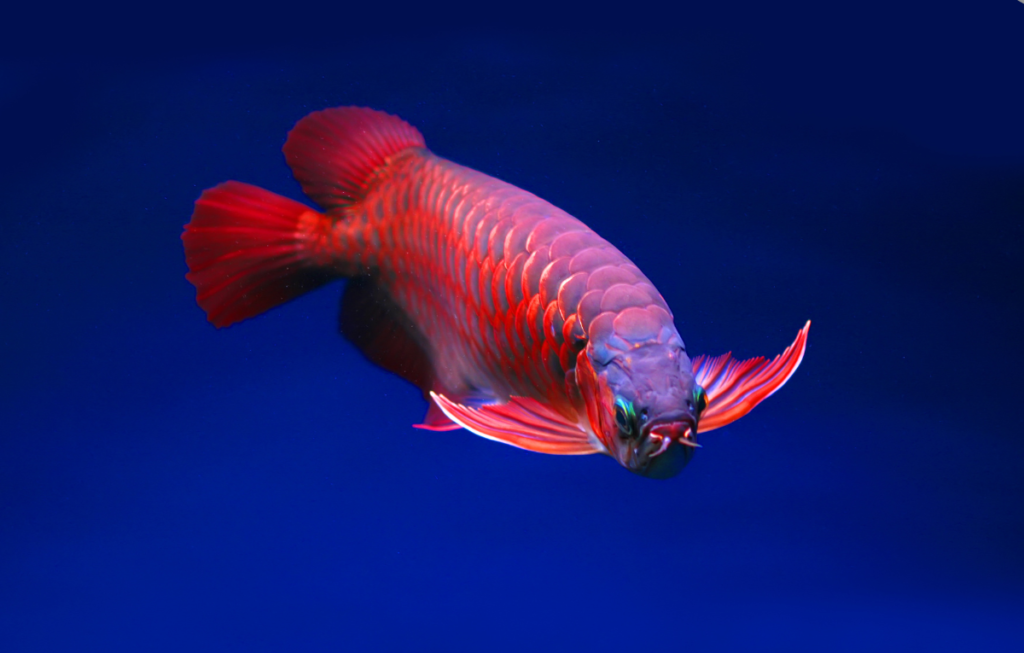
Fish make terrible pets — or so people think. No one loves them, no one pets them, you don’t walk them when you take them out of their tanks. All you do is feed them and clean the damn thing. Fish have had that stereotype for ages now. Aquarium décor with brains.
The thing is though, fish aren’t simple at all. Animal cognition experts have spent the last couple of decades systematically demolishing the concept of the fish brain as nothing more than a reactive red blob zipping around on instinct alone. Instead, we’ve discovered fish are smart, emotional creatures capable of memory, learning, and yes — facial recognition.
Fish brains aren’t like ours. They don’t have the same kind of neocortex that we mammals use for processing higher-level thoughts. However, lack of a neocortex doesn’t equal lack of intelligence. Fish have other structures which allow them to process much of the same information, just through different neurological pathways. Evolution doesn’t like vacuums.
Recognizing You Is Behavior-Specific
Fish being able to recognize their owners doesn’t mean your fish is going to boogie all over the glass every time you walk into the room (although mine sort of does this). Fish show it in different ways.
Typically, what fish owners talk about is called “begging at the glass.” Your fish comes to the side of the tank closest to you when you’re near it, follows your movements, and overall hangs out near the surface waiting for food. The important part here, though, is that they don’t usually do this when your friends or random strangers come to visit unless you’re near the tank with them.
Species such as cichlids, bettas, and some goldfish take it a step further. They’ll follow your hand when you run it along the glass, recognize you by voice (or more likely vibration), and grow agitated when strangers come near the tank. Agitation or suspicion of strangers is a big tell. If your fish acts calm and comfortable with you but scared or startled by new people, that’s recognition.
Fish will often begin expecting food when you walk into the room where you keep them, not just when you approach their tank. Again, they associate you with food.
Not All Fish Are Created Equal
When it comes to facial recognition, anecdotes and hard data both show that certain fish are better at recognizing their owners than others.
Cichlids are some of the smartest freshwater fish you can keep as pets. Oscar fish specifically have gained a reputation for dog-like behaviors — they will greet you when you enter the room, take food from your hand, and some even tolerate being petted. Cichlids have no problem recognizing their owners and interacting with them.
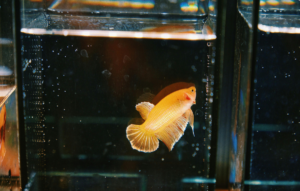
Betta fish are outliers when it comes to personality. Tiny, solitary creatures that they are, bettas somehow still find ways to become alert, attentive, and aware of their keeping situation. It’s common for betta keepers to claim their fish recognize them, and if you interact with them enough, there’s good reason to believe they do.
Goldfish have gotten a bad rap for having poor memories, when in reality they learn feeding times, recognize regular faces, and can be trained to swim through hoops and push balls around — something that takes actual cognitive work — just fine.
Koi may be the ultimate example of this. Able to live for several decades, these fish build strong connections with the people that feed them regularly. Many koi keepers report individual fish in their pond that will eat directly from their hand, follow them around the edge of the pond, and approach familiar humans differently than they approach strangers.
Why Fish Recognizing You Even Matters
Okay, so fish know who you are — so what? What difference does that actually make?
Quite a big one when you think about it. If fish are capable of processing their environments and their keeper’s presence to the degree that they are, then how we treat those environments and how we think about keeping fish responsibly needs to change.
A fish that knows you, that can develop routines and recognize familiar faces, doesn’t just feel stress when its surroundings don’t meet its needs. It has a mental life — however fishy and different from ours that may be. Poor water conditions, boring tanks, and rough handling don’t just harm your fish physically. They harm them mentally.
As fish keepers, that should matter to you. Enrichment is important. Interaction with your fish matters. You matter to your fish, even if it doesn’t always show itself in ways we expect. Building a relationship with your fish is a real thing with real benefits for both you and your pet.
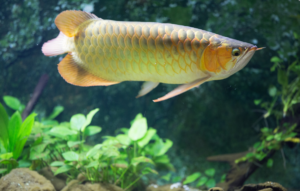
Getting Your Fish to Recognize You
Got a fish already and want it to recognize you? Easy. Feed your fish around the same time every day so they associate you with food. Be present near the tank and let them get used to you. Don’t startle them or make quick movements near their tank until they know it’s you.
Hang out near your fish’s tank when you’re not feeding them. Let them get used to your presence, your shadow, and how you move. If you do this, they’ll start to learn your face, and once they do, you’ll start to see them respond to you and you alone. They’ll swim to you, watch you, and follow your finger when you run it along the glass.
Want to take it a step further? Many fish respond well to training. Use a target stick — a stick the fish learns to follow — or your finger, and lead your fish around their tank. It’s not only cool to show off; training sessions are mentally stimulating for your fish and strengthen the connection between you and your pet.
Wrap-Up
Fish recognizing their owners used to be the kind of weird novelty article I’d stumble across every six months or so. Luckily, science has finally caught up with what aquarium hobbyists have known for years. Fish are far more aware of their surroundings — and those surroundings include you. Fish recognize you, and it matters.
It’s not dogs and cats, sure. But if you’ve spent enough time with your fish to wonder if they recognize you, you’ve probably already seen the proof yourself.
Save pin for later

- 15 Genius Dog Owner Hacks You Wish You Knew Sooner - March 12, 2026
- How Do You Choose the Right Dog Breed? - March 12, 2026
- How to Choose the Best Dog Food for Your Dog’s Age - March 12, 2026