
If your dog drools, whines, or vomits during car rides, you may have asked yourself: Did You Know Dogs Get Motion Sickness? After all, it’s not like Rover can tell you he feels nauseous! Fortunately, motion sickness in dogs is quite common (and often treatable). Keep reading to learn everything you need to know about doggy motion sickness, including why it happens and how to prevent it.
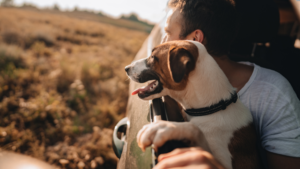
What Is Motion Sickness in Dogs?
Motion sickness in dogs occurs when travel causes them to feel disoriented or dizzy. Balance is controlled by the vestibular system, located in the inner ear. During car rides or other repetitive movement, conflicting messages from the inner ear and eyes can cause a dog to feel nauseous or uncomfortable.
Motion sickness doesn’t just affect dogs in cars. Dogs can also get motion sickness from boats, planes, buses, or even moving walkways!
Reasons Why Dogs Get Motion Sickness
Just like humans, there’s rarely a single cause of motion sickness in dogs. Dogs can get motion sick for several reasons:
1. Underdeveloped Inner Ear
One of the most common reasons puppies experience motion sickness is that their inner ear is still developing. Their vestibular system may not yet be equipped to handle riding in a car. Puppies usually outgrow motion sickness as they mature.
2. Anxiety
Travel anxiety is another common cause of nausea in dogs. Does Rover only ride in the car when it’s time to go to the veterinarian? If your dog has negative associations with travel, he’ll feel stressed as soon as he gets in the car. Anxiety can cause nausea, and nausea can, in turn, increase anxiety.
3. Inexperience
Dogs who aren’t used to traveling may experience motion sickness more frequently than dogs who regularly ride in vehicles. If a dog’s stomach isn’t accustomed to the movements of a car, they’ll be more likely to vomit.
4. Medical Reasons
Ear infections, gastrointestinal problems, and other health issues can make dogs more prone to motion sickness. If your dog suddenly develops motion sickness or seems to be getting worse over time, consult your veterinarian.
Symptoms can start as soon as you begin driving. Some dogs won’t show symptoms until well into a car ride. Others may even begin panting, drooling, or whining before the car starts!
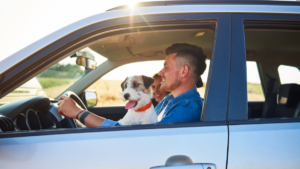
Symptoms of Dog Motion Sickness
Dogs can’t tell you directly when they feel nauseous, but they can show you through their behavior. Here are the most common signs of motion sickness:
-
Excessive drooling
-
Yawning
-
Restlessness
-
Whining, pacing, or crying
-
Lip licking or frequent swallowing
-
Lethargy
-
Vomiting
-
Diarrhea (in severe cases)
Puppies vs. Adult Dogs: Who Gets Motion Sick More Often?
Puppies are more likely to get carsick than adult dogs because their inner ears are still developing. With time and plenty of practice rides, most puppies will eventually overcome motion sickness.
Adult dogs who experience motion sickness may be dealing with anxiety or a learned fear of travel. If an adult dog suddenly develops motion sickness symptoms, it’s wise to rule out possible medical problems.
Motion Sickness vs. Canine Anxiety
When dogs feel motion sickness, they can quickly develop a dislike for travel. Not only will your dog associate the car with an upset stomach, but he may also feel nauseous whenever he becomes stressed about travel. Anxiety can cause nausea, and nausea can cause anxiety.
As you can see, motion sickness in dogs is often linked to anxiety. That’s why it’s so important to take action as soon as you notice symptoms!
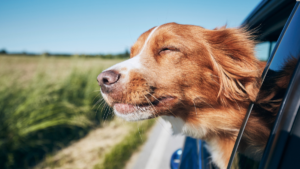
How to Help Dogs With Motion Sickness
Prevention and preparation are key when dealing with dog motion sickness. Here are some tips to reduce symptoms:
1. Acclimate Your Dog to the Vehicle
Your dog needs to build positive associations with riding in the car. Let them sit in the car while it’s parked. Offer treats and toys to keep them comfortable and relaxed. Once they’re comfortable, start with short rides around the block and gradually increase the distance as your dog builds confidence.
2. Create a Safe Place
During travel, your dog should have a comfortable and secure place to sit or lie down. A well-ventilated crate or a dog seat belt can help your dog feel safe. Some dogs prefer facing forward, while others like to look out the window. Let your pup choose what makes them most comfortable.
3. Increase Ventilation
Fresh air can help reduce nausea. Open a window slightly or turn on the air conditioner. Avoid strong smells like food or air fresheners in the car.
4. Time Meals Wisely
Don’t feed your dog right before getting in the car. An empty or lightly filled stomach is less likely to get upset. That said, don’t let your dog go on long car rides without eating.
5. Take Breaks
For long rides, stop frequently to let your dog stretch, relieve themselves, and get fresh air. This can help reduce both motion sickness and anxiety.
Homemade Remedies and Behavior Training
Many dog owners prefer mild or natural solutions before turning to medications. Consider these behavior tips:
Reward Good Behavior
Keep treats and toys handy, and reward your dog for calm behavior during car rides.
Stay Calm
Dogs can sense their owner’s emotions. Staying calm and relaxed during travel can help your dog feel the same.
Practice Desensitization
Desensitization takes patience. Gradually expose your dog to car rides, starting with very short trips, until they become comfortable with travel.
When to Contact Your Veterinarian
Motion sickness in dogs is usually not serious, but you should contact your veterinarian if symptoms persist or worsen. They can rule out medical issues and recommend safe medication if needed.
A veterinarian can also advise on behavior modification techniques for anxiety-related motion sickness. Never give your dog human medication—some can be toxic to dogs.
Tips for Long-Distance Travel
If you’re traveling with your dog, these tips can help:
-
Pack Familiar Items: Bring their favorite toy, bed, or blanket.
-
Maintain Their Routine: Stick to feeding and potty routines as much as possible.
-
Plan Travel During Calm Hours: Travel during your dog’s usual nap time if possible.
-
Keep Hydrated: Ensure your dog has access to fresh water.
-
Plan Dog-Friendly Stops: Look for parks or pet-friendly locations to allow breaks.
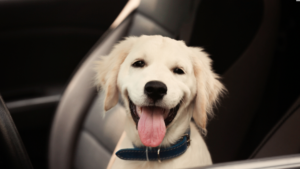
Do Dogs Outgrow Motion Sickness?
Many puppies eventually outgrow motion sickness as their inner ears develop and they gain travel experience. Adult dogs may need more time, especially if anxiety is a factor. Positive reinforcement and careful preparation can help most dogs overcome motion sickness.
Conclusion
Motion sickness doesn’t have to ruin your family’s road trips. By understanding the symptoms and causes, you can help your dog form positive associations with travel.
If your dog’s motion sickness is severe or persistent, consult your veterinarian. With patience and practice, your pup can overcome motion sickness and enjoy car rides again!
Save pin for later

- Why Cats Avoid Eye Contact - January 31, 2026
- How to Stop Cats From Climbing Where They Shouldn’t - January 31, 2026
- Why Dogs Get Hyper at Night - January 31, 2026