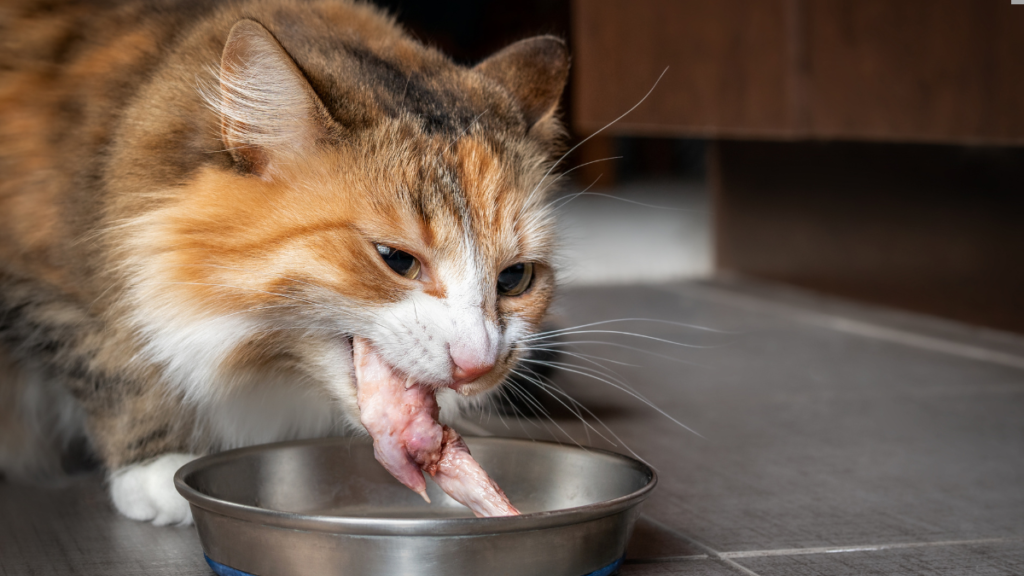
If you own a cat, the chances are good that the answer is no—you probably haven’t noticed (or maybe didn’t think it mattered). But what happens the first time you hear your cat gagging on food—or see her spew a cloud of half-digested kibble all over the floor—while she chows down as if she hasn’t eaten in days? Once you start paying attention, you may realize that your cat eats far too quickly.
Fast eating is not only common among cats but can also be potentially problematic over time. Understanding why it happens and how to help your feline slow down during mealtime is key to keeping your cat healthy.
Why Do Cats Eat Too Fast?
All cats are unique, but their behavior—including eating habits—usually stems from a combination of a few sources.
Instincts From Their Wild Ancestors
Domestic cats enjoy many of the comforts modern life offers, but they are still descended from wild ancestors. In the wild, food can be scarce. Cats must hunt small prey, compete with others for resources, and avoid becoming prey themselves. Eating quickly was an efficient way to ensure survival.
Even though your cat’s bowl isn’t at risk of being stolen, this instinct remains deeply ingrained.
Competition for Food
Competition becomes an issue in multi-cat households. Cats who feel they need to eat before another cat can steal their food will often scarf it down rapidly. It doesn’t matter if food has never actually been stolen—perceived competition can be just as motivating as real competition.
This explains why many multi-cat households struggle with fast eaters.
Early Life Experiences
Cats that were strays, rescues, or weaned too early—essentially, cats who learned to eat with other hungry cats around—are more likely to eat quickly. Early food insecurity can become ingrained in their personality.
These cats are not used to abundance and rush to consume as much as possible whenever food is available.
Boredom or Anxiety
Boredom, anxiety, or stress can also trigger rapid eating. Food can provide both entertainment and comfort. A lack of mental or physical stimulation, changes in the household, or loneliness can all lead to eating as a coping mechanism.
Signs Your Cat Eats Too Quickly
While some fast-eating cats are obvious, there are a few key signs that your cat may be eating too quickly:
-
Vomiting after eating
-
Gagging or coughing during meals
-
Swallowing food whole
-
Begging for more food immediately after finishing a meal
-
Weight gain despite controlled portions
-
Bloating or other signs of digestive discomfort
If your cat displays any of these behaviors, it may be time to slow down their mealtime routine.
Risks of Eating Too Quickly
So, is it really bad if your cat eats too fast? While rapid eating is common, it can have several negative consequences.
Short-term effects, such as regurgitation and vomiting, are unpleasant for both your cat and you, and are often the first warning signs. Over time, persistent fast eating can lead to:
-
Digestive problems and poor nutrient absorption
-
Weight gain and obesity
-
Stress and behavioral issues
-
Increased risk of choking
Strategies to Slow Down Fast-Eating Cats
The good news is that there are many ways to help your cat eat more slowly. Most are easy, affordable, and effective.
Use Slow Feeder Bowls
Slow feeder bowls are designed to make cats work a little harder for their food, naturally slowing them down. Features like ridges or obstacles require your cat to navigate the bowl to access their meal.
You can also create DIY slow feeders by placing a clean, cat-safe object in your cat’s regular bowl to slow them down.
Feed Smaller, More Frequent Meals
Dividing your cat’s daily food into smaller, more frequent meals can help reduce hunger-driven fast eating. This approach also stabilizes energy levels and helps with weight management.
Automatic feeders are a helpful tool for busy pet parents to maintain this schedule consistently.
Use Puzzle Feeders and Food Toys
Puzzle feeders or interactive food toys—like food balls—require your cat to work to release food. This slows down eating and provides enrichment, simulating natural hunting behavior.
Separate Cats During Feeding
In multi-cat households, competition can trigger fast eating. Feeding cats in separate rooms or spaces allows each to eat at their own pace without feeling pressured.
Feed in a Calm Environment
A cat’s feeding environment has a significant effect on eating speed. Loud noises, nearby pets, or high-traffic areas can make a cat feel rushed. Feeding in a quiet, consistent space can encourage slower, calmer meals.
Dry Food vs. Wet Food: Does It Matter?
Your cat’s diet can influence how fast they eat.
Dry Food: Dry kibble is easier to consume quickly, so fast-eating cats may have more issues with dry food. Slow feeders or puzzle toys can help mitigate this.
Wet Food: Wet food generally takes longer to eat, helping slow down fast eaters. The added hydration also benefits urinary and kidney health.
Combination: Some cat owners feed both dry and wet food to balance convenience, nutrition, and control over eating speed.
Fast Eating Could Signal Health Issues
Sometimes, fast eating may indicate an underlying medical problem. Conditions such as hyperthyroidism, diabetes, intestinal parasites, or digestive disorders can increase appetite and lead to faster eating.
If your cat suddenly starts eating significantly faster, especially with changes in weight or energy, consult a veterinarian. Early diagnosis ensures your cat receives proper care.
Did You Know Cats Eat Too Fast Even When They’re Full?
Cats are creatures of habit. If they’ve developed a routine of eating at specific times, they may eat quickly out of habit rather than hunger.
To counter this, provide mental enrichment outside mealtime. Toys, interactive games, window perches, climbing structures, and regular human interaction help reduce food-focused behavior.
Training a Cat to Eat More Slowly
Training a cat to eat more slowly requires patience but is entirely possible. Here are some tips:
-
Ease into Slow Feeders: Introduce slow feeders gradually. A challenge that is too difficult may frustrate your cat.
-
Stick to a Schedule: Consistent feeding times help your cat anticipate meals and reduce the need to rush.
-
Reward Calm Behavior: Offer attention or playtime (not extra food) to reinforce calm eating.
-
Monitor Progress: Adjust strategies if needed. Cats can be particular about bowl placement, feeding location, or orientation.
Benefits of Eating More Slowly
Helping your cat eat more slowly provides numerous long-term benefits:
-
Reduced vomiting and digestive issues
-
Better weight management and reduced obesity risk
-
Increased mental stimulation
-
Lower stress levels
-
Fewer behavioral problems
These improvements lead to a healthier, happier cat and a cleaner, less stressful home.
Final Thoughts
Did you know cats eat too fast? Now you do—and you also understand why it happens and how to address it.
Fast eating is often instinctual and hard for cats to overcome on their own. With patience and thoughtful strategies from their owners, however, cats can learn to eat more slowly.
Slower eating benefits your cat both short-term and long-term: it reduces vomiting, eases stress, improves digestion, and prevents unnecessary mess. Mealtime should be a calm, enjoyable part of your cat’s day—not a frantic race to finish before the food disappears.
Save pin for later

- The Cutest Cat Breeds in the World - March 21, 2026
- Black Cat Names That Are as Mysterious and Beautiful as They Are - March 21, 2026
- Did You Know Your Dog Could Have Diabetes? - March 20, 2026