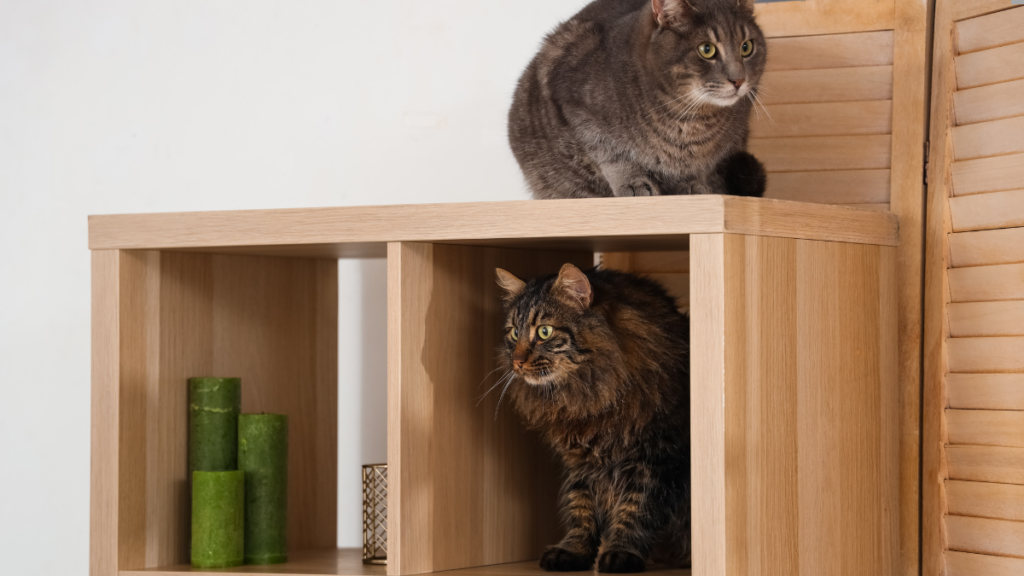
Having an active cat can be both a joy and a challenge for their owner. Active cats are full of energy and love to jump, climb, and explore every corner of the house. One of the best ways to keep your cat happy, healthy, and mentally stimulated is to create cat shelves for active cats. Cat shelves give your feline vertical space to jump, climb, and lounge safely, providing both exercise and entertainment.
These wall-mounted platforms allow your cat to satisfy their natural climbing instincts and stay entertained for hours. In this guide, we’ll discuss how to create cat shelves for active cats, where to place them, what materials to use, and some creative design ideas.
Active Cats Need Vertical Space
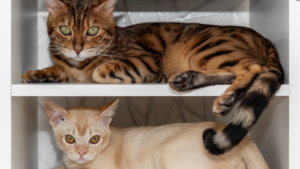
Active cats are natural climbers who love to explore every inch of their environment. Vertical space gives your cat the opportunity to use their climbing instincts in a safe and controlled environment. Cat shelves offer plenty of room to climb, jump, and lounge.
Cats also love to perch on high surfaces to survey their territory. Cat shelves can provide the perfect vantage point for this natural behavior. In addition to physical exercise, vertical space helps keep your cat mentally stimulated, reducing boredom and behavioral problems.
Providing your cat with places to climb and jump is one of the best ways to support their overall health and happiness. Cat shelves are an excellent solution for this need.
Planning Your Cat Shelves
Before attaching shelves to your walls, it’s important to carefully plan their layout. Consider your cat’s size, agility, and personality, as well as the available space in your home. Here are some key points to keep in mind:
1. Choose the Right Location
Observe where your cat spends the most time. Cats often enjoy windows or sunny spots where they can bask in warmth. If your cat likes watching household activity, consider placing shelves near high-traffic areas like the kitchen or living room. Avoid placing shelves in locations that may feel unsafe or stressful.
2. Height and Spacing
While active cats are natural jumpers, it’s essential to plan for safety. Shelves should be spaced so your cat can comfortably jump from one to another without risk of injury. A distance of 12–18 inches between shelves works well for most adult cats. You can create a “staircase effect” with closer spacing for younger or less agile cats.
3. Materials Matter
Use sturdy, non-toxic materials that can support your cat’s weight. Wood or durable composite materials are ideal. The shelf surface should provide traction to prevent slips; adding carpeting, sisal, or rubber mats can improve both grip and comfort.
4. Variety is Key
Cats enjoy different textures and experiences. Mix up shelf widths, depths, and heights, and include platforms with enclosed boxes, ramps, or ladders. Variety keeps your cat curious and engaged, making the vertical space more enjoyable.
Design Ideas for Cat Shelves
Creating cat shelves for active cats doesn’t have to be complicated or expensive. With a bit of creativity, you can turn any wall into a vertical playground. Here are some popular design ideas:
1. Single Wall Series
Install a series of shelves along a single wall to create a vertical trail for your cat. Start with a low shelf as a launching pad, gradually increasing the height. You can also stagger the shelves horizontally to add interest and challenge.
2. Modular Cat Wall
Modular systems consist of individual units that can be rearranged or expanded as needed. This is especially helpful if you have multiple cats with different climbing styles. Modular units also allow you to adapt the setup over time as your cat’s preferences change.
3. Window-Ledged Shelves
Cats love looking outside. Installing shelves near a window provides an ideal perch for birdwatching, sunbathing, or simply enjoying the view. Ensure shelves are secure and positioned so your cat has a full view without obstructing your space.
4. Integrated Play Elements
For extra enrichment, consider adding play elements like hanging toys, scratching posts, or small tunnels connecting shelves. Active cats enjoy both climbing and interactive play, making this an engaging and stimulating environment.
Step-by-Step Guide to Installing Cat Shelves
Installing cat shelves can be a fun DIY project, but it’s important to prioritize safety. Follow these steps:
1. Measure and Mark
Use a measuring tape to determine the height and placement of each shelf. Mark the wall with a pencil where brackets or supports will go.
2. Choose Brackets and Supports
Use heavy-duty brackets for stability, especially for longer shelves. Consider multiple brackets to distribute weight evenly. Make sure screws and anchors are suitable for your wall type, whether drywall, plaster, or concrete.
3. Secure the Shelves
Drill pilot holes and attach the brackets to the wall. Place the shelf on the brackets and secure it with screws. Ensure each shelf is level and firmly attached before allowing your cat on it.
4. Add Traction and Comfort
Cover shelves with non-slip materials like carpet, sisal mats, or rubber pads. This prevents slipping and makes surfaces comfortable for lounging and napping.
5. Introduce Your Cat Gradually
Cats may be cautious around new heights. Encourage them to explore the shelves slowly by placing treats or toys on lower levels first. Gradually, they will gain confidence and start using the higher platforms.

Safety Tips for Cat Shelves
While cat shelves are generally safe, keep these tips in mind:
-
Check weight limits: Ensure shelves and brackets can support your cat’s weight. Larger breeds may need reinforced platforms.
-
Avoid sharp edges: Sand rough edges and corners to prevent injuries.
-
Stabilize nearby furniture: Ensure furniture nearby can’t tip over if your cat jumps from the shelves.
-
Monitor multiple cats: In multi-cat homes, observe interactions, as some cats may dominate prime spots.
Benefits of Cat Shelves for Active Cats
Cat shelves aren’t just a fun project—they’re an investment in your cat’s well-being. Benefits include:
-
Physical Exercise: Climbing and jumping keeps your cat fit and agile.
-
Mental Stimulation: Vertical exploration prevents boredom and encourages curiosity.
-
Stress Reduction: Vertical territory gives your cat safe spaces, reducing stress.
-
Furniture Protection: Designated climbing areas can protect furniture from scratching.
-
Bonding Opportunities: Watching your cat enjoy their new playground strengthens your bond.
Conclusion
Active cats thrive in environments that challenge their natural instincts. Creating cat shelves for active cats provides vertical territory that promotes exercise, mental stimulation, and overall well-being. Whether you choose a simple series of platforms or a modular system, the key is to ensure shelves are safe, accessible, and enjoyable for your feline companion.
With proper planning, materials, and a bit of creativity, any wall can become a playground your cat will love. Investing in cat shelves isn’t just about furniture—it’s about giving your cat the opportunity to live a richer, more fulfilling life indoors.
Remember, an active cat is a happy cat, and vertical space is the secret to a content, healthy, and playful feline.
Save pin for later

- The Cutest Cat Breeds in the World - March 21, 2026
- Black Cat Names That Are as Mysterious and Beautiful as They Are - March 21, 2026
- Did You Know Your Dog Could Have Diabetes? - March 20, 2026