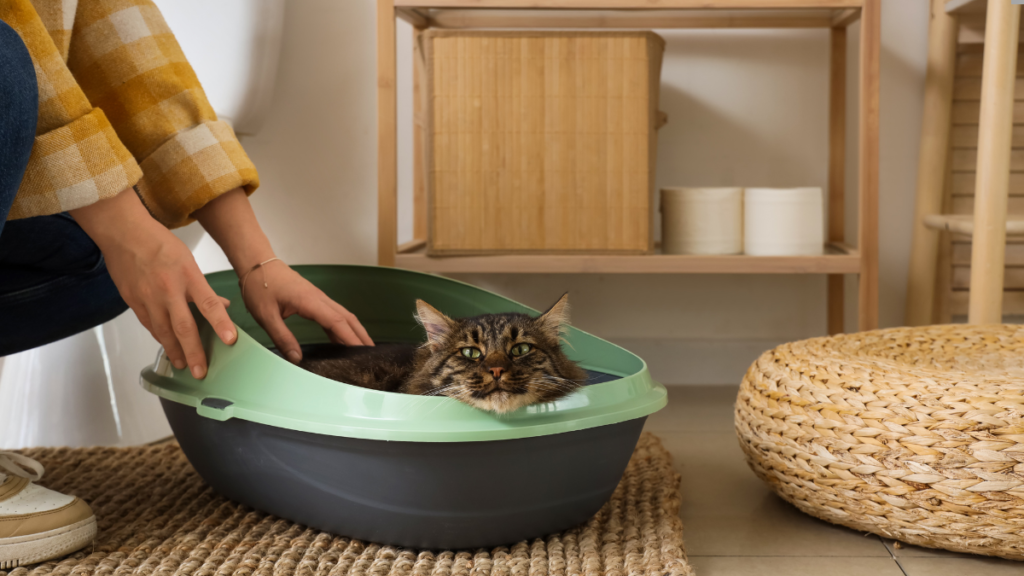
Owning a cat is an immensely rewarding experience—but that doesn’t mean you can ignore their health and hygiene. From toilet-training mishaps to improper baths, every pet parent makes mistakes that negatively impact their cat. Luckily, there’s almost always a way to fix them!
We know how much you love your cats—we have tons of cats ourselves. Our top priorities are their health and happiness, which is why we created this list of common litter box mistakes that negatively affect cats.
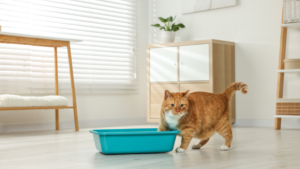
Your Cat’s Litter Box Is Their Bathroom and Their Safety Zone
Okay, so it may not be their literal bathroom—but your cat won’t use the litter box if it scares them. While dogs can usually be trained to hold it until they go outside, cats have no choice but to trust that you’ve provided an appropriate littering area.
Think about how vulnerable your cat feels while using the litter box. They’re focused on a very intimate task and want nothing more than to get in and out unnoticed. Distractions like unexpected noises, unpleasant smells, or physical pain can create negative associations that convince them to avoid that litter box in the future.
Combine this with the fact that cats are creatures of habit, and suddenly “outside the box” starts looking like a better option. While outdoor hazards aren’t ideal either, at least your cat will keep leaving you clues about what went wrong.
12 Common Mistakes That Make Your Cat Hate Their Litter Box
Litter Box Rule #1: Never have fewer litter boxes than cats
Minimum number of litter boxes needed:
-
1 cat = 2 boxes
-
2 cats = 3 boxes
-
3 cats = 4 boxes
…and so on.
If you have multiple cats, each one needs access to their own box—plus one extra. This rule helps eliminate competition and territorial stress.
The extra box also comes in handy if one becomes dirty or temporarily unusable. Cats won’t “hold it” if a box doesn’t meet their standards.
Most people don’t realize how important this rule is until it’s too late and their cat starts hiding poop all over the house.
Litter Box Rule #2: Place the litter box in the right location
It’s not enough to clean the litter box—you also need to put it somewhere your cat feels comfortable using it.
Choose areas that are quiet and low-traffic, but still allow your cat to escape easily if they feel threatened. Avoid placing litter boxes:
-
Near doors
-
In high-traffic areas
-
Next to noisy appliances like washing machines or dryers
-
Behind furniture where cats can feel trapped
Pick a quiet spot that still gives your cat a clear exit route.
Litter Box Rule #3: Choose the right litter texture and scent
Just like people, cats have strong preferences. While some cats tolerate crunchy textures or scented litter, many don’t—and until you discover your cat’s preferences, they may avoid the litter box entirely.
Most cats prefer fine, sand-like, unscented litter. If you want to switch litter types, do it gradually by mixing the new litter with the old until the transition is complete.
Litter Box Rule #4: Scoop and clean the litter box regularly
How often do you expect your cat to use a dirty litter box? If your answer is “every day,” then you should be scooping at least twice daily.
Your cat also deserves a full litter box “bathroom remodel” at least once a week. Wash the box with mild soap and warm water, then refill it with fresh, clean litter.
Litter Box Rule #5: Choose an open box—or let your cat decide
Covered litter boxes may seem convenient, but they can trap odors and make some cats feel confined. Only use a covered box if your cat shows no signs of discomfort.
The best approach is to let your cat choose. Offer both a covered and an uncovered litter box and place them far apart to avoid confusion.
Stick with the box your cat uses most often—dogs aren’t the only pets with strong preferences.
Litter Box Rule #6: Act immediately if your cat stops using the litter box
When dogs have accidents, people often react by punishing them—but never punish a cat for litter box problems.
If your cat stops using the litter box, something is wrong. Causes can range from stress and anxiety to urinary tract infections or joint pain. If you can’t identify the issue by observing your cat and their environment, consult your veterinarian.
Reward good behavior with praise, treats, and affection. Stress will only cause your cat to hide—and hide their problems from you.
Litter Box Rule #7: Keep food and water far away from litter boxes
Never place food or water bowls near a litter box. To a cat, this feels like being forced to eat next to waste.
Avoid this issue by placing feeding stations far away from litter boxes.
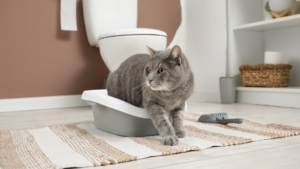
Litter Box Rule #8: Skip liners or bags if your cat dislikes them
Walking across crinkly plastic isn’t pleasant—and cats feel the same way.
Many cats dislike litter liners because of the noise, slippery surface, or the way they catch on their claws. Consider going liner-free if your cat:
-
Avoids the litter box
-
Walks around the box on the carpet instead
-
Scratches excessively at the liner
Litter Box Rule #9: Make sure the litter box is big enough
Cats don’t enjoy feeling cramped, especially larger breeds or overweight cats.
Your litter box should be at least 1.5 times the length of your cat (from nose to base of tail). Your cat should also be able to turn around easily and dig comfortably—this is especially important for senior cats.
Large storage bins often work wonderfully as spacious litter boxes.
Litter Box Rule #10: Don’t change everything at once
You didn’t learn how to care for cats overnight, so don’t expect your cat to instantly adapt to new litter, a new box location, and a new cleaning schedule all at once.
If you’re troubleshooting litter box issues, change only one thing at a time and wait several days to observe your cat’s reaction. This helps identify what’s actually causing the problem.
Changing too much at once is another Common Litter Box Mistake.
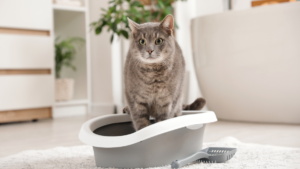
Litter Box Rule #11: Remember—cats can’t “just go outside”
Dogs can tolerate inconveniences because they know they’ll eventually go outside. Cats don’t have that option.
Treat your cat’s litter box the way you’d want to treat your own bathroom. It should be clean, accessible, and comfortable—because your cat uses it multiple times a day.
Litter Box Rule #12: Don’t overlook environmental and routine changes
This rule may be the most important of all. Cats are highly sensitive to changes in their environment and daily routine.
Even small disruptions—new furniture, schedule changes, new pets, or visitors—can affect litter box habits. Keep your cat’s environment as consistent as possible to reduce stress.
How to Fix Things If You’ve Already Made Litter Box Mistakes
Mistakes happen to every pet parent. If you’re unsure where things went wrong, start with a litter box reset.
Add an extra litter box, clean all boxes thoroughly, and refill them with unscented, fine-grain litter. Move the boxes to quiet areas where your cat feels safe, and observe which one they use most often.
Final Thoughts
Once you understand how your cat views their litter box, you’ll likely notice immediate improvements. You may even find accidents disappearing altogether.Is your cat suddenly littering like a pro? Try not to celebrate too hard—but enjoying the results is half the fun.
Remember, your cat’s toilet area should be something they feel confident using. Once you figure out your cat’s preferences, you’ll wonder how you ever lived without this knowledge.
Save pin for later


- The Cutest Cat Breeds in the World - March 21, 2026
- Black Cat Names That Are as Mysterious and Beautiful as They Are - March 21, 2026
- Did You Know Your Dog Could Have Diabetes? - March 20, 2026