
Dog training can be one of the most rewarding experiences you have with your dog—but it can also quickly become one of the most frustrating.It’s common for dog owners to begin training with the best of intentions. But after a few lessons, they find themselves utterly confused about why their dog is still not listening.
They start to wonder if maybe they got a stupid dog. But dog intelligence isn’t usually the problem. The problem is Common Dog Training Mistakes that sabotage your efforts by sending your dog confusing signals or preventing them from learning altogether.

1. Expecting Too Much Too Soon
You just finished teaching your dog a new command, and it was a smash success. You should feel proud, give your dog lots of love, and move on to the next lesson.
The absolute worst thing you can do is expect your dog to know that command perfectly immediately after learning it.
Dogs learn behaviors gradually. It takes repetition, consistency, and time for them to truly understand what you’re asking.
Remember: your dog isn’t just learning a command when you practice it—they’re learning that command when you practice it. If you only practice once a day, that’s all they’ve learned.
Solution: Slow down, be patient, and take things one step at a time. Training is not a race. Don’t rush it, and you’ll avoid frustrating yourself (and your dog).
2. Inconsistency With Rules or Commands
Dogs learn through repetition and by recognizing patterns. If your rules keep changing—allowing bad behavior sometimes, using different commands, or having different expectations between family members—your dog will struggle to understand what you want.
For example, allowing your dog on the couch sometimes but not others will confuse them. Or if you say “down” while your partner says “lie down,” your dog may think these are two different commands.
Solution: Set clear rules that everyone in your household agrees on. Use the same words, tone, and expectations consistently, and don’t make exceptions.
3. Punishing Your Dog Instead of Training Them
You can’t train your dog out of bad behavior by yelling, hitting, rubbing their nose in it, or punishing them when they make a mistake. This only teaches your dog to fear you, not how to behave correctly.
Punishment doesn’t fix the underlying problem. In fact, it often creates new issues such as fear, anxiety, and even aggression.
Solution: Teach your dog what you want them to do instead of only punishing what you don’t want. Redirect unwanted behaviors and reward good ones. Mistakes are normal—especially in the beginning. Just redirect and try again.

4. Only Training in One Location
Let’s say you’ve successfully taught your dog to “sit” at home. Next, you take them to the park to see if they still know it. Your dog starts sniffing the ground and ignores you.
What’s wrong with them?
Actually, nothing.
Your dog knows how to sit—they just haven’t learned to sit everywhere.
Solution: Practice commands in a variety of locations with different distractions. Start at home, then move to your yard, around the block, a quiet park, and eventually busier environments.
5. Having Training Sessions That Are Too Long or Too Frequent
Contrary to popular belief, long training sessions aren’t more productive. Dogs—especially puppies—have short attention spans.
Solution: Keep training sessions short and engaging. Several brief sessions throughout the day are far more effective than one long session.
6. Ignoring Your Dog’s Body Language
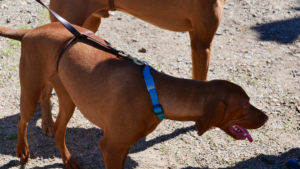
Does your dog bark, spin in circles, or drool when you pick up the training leash? They’re telling you something—listen.
Dogs communicate stress through body language. Yawning, lip licking, turning away, stiff posture, or shaking are all signs that your dog may be overwhelmed or uncomfortable.
Training isn’t effective when your dog is stressed.
Solution: Learn your dog’s basic body language and adjust training as needed. Keeping your dog below their stress threshold helps them focus and learn faster.
7. Accidentally Rewarding Bad Behaviors
Dogs learn by repeating behaviors that get rewarded. If you say “no” when your dog jumps on you but then give them attention afterward, your dog may learn that jumping equals attention—which they see as a reward.
Solution: Identify what your dog finds rewarding and use it wisely. Ignore unwanted behaviors and reward your dog when they behave appropriately.
8. Neglecting Basic Commands
Want to teach your dog advanced tricks? That’s great—but basic commands like sit, stay, recall, and leash manners should come first.
Solution: Have fun with training, but spend extra time perfecting the basics before moving on to advanced skills.
9. Waiting for Something to Go Wrong Before Training
“I’ll start training my dog once they stop jumping on me.”
That’s like waiting for a fire before installing a smoke alarm.
Solution: Train your dog every day. On walks? Practice commands. Feeding time? Practice commands. Playtime? Yes—practice commands.
10. Not Considering Breed or Individual Personality
There’s no one-size-fits-all approach to dog training. Each dog has unique learning styles, energy levels, and personality traits.
Solution: Train the dog in front of you. A high-energy dog may need exercise before training, while a sensitive dog may need a slower, gentler approach.
11. Poor Timing With Rewards
This ties closely to rewarding bad behavior. Dogs live in the moment and associate rewards with what they’re doing right now.
Solution: Reward your dog immediately when they perform the desired behavior so they clearly understand what they’re being rewarded for.
12. Always Using Food as a Reward
Food is highly motivating, but if treats are the only reward, your dog may stop listening when food isn’t visible.
Solution: Use food during training, then gradually transition to praise, toys, play, or real-life rewards.
13. Not Providing Enough Mental or Physical Stimulation
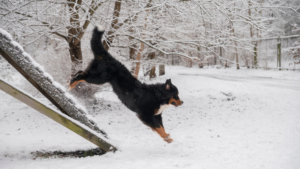
A bored or under-exercised dog is far more likely to misbehave. If your dog dislikes jogging but you force it anyway, it’s no surprise they resist walks.
Solution: Provide appropriate physical exercise and mental stimulation. Puzzle toys, sniffing games, and long exploratory walks are excellent outlets.
14. Giving Up Too Soon
This is one of the most damaging mistakes dog owners make. Many give up before their dog has had enough time to learn.
If your dog isn’t responding, it doesn’t mean they’re dumb—it may mean your training method needs adjusting.
Solution: Don’t give up. Try a new approach, and if needed, consult a professional.
15. Not Consulting a Professional When Needed
There’s no shame in asking for help. While many issues can be addressed at home, some behaviors require professional guidance.
Solution: If a behavior persists or your dog develops fear or aggression, consult a qualified trainer or behaviorist.

How to Avoid Making Common Dog Training Mistakes
Knowledge is power—but only if you apply it. Reading about common dog training mistakes won’t help unless you actively change your approach.
Don’t overcomplicate training. Dogs want to please you. They enjoy learning and often love training sessions when done correctly.
Educate yourself on your dog’s unique needs, stay consistent, and be patient. Every dog learns at their own pace.
Conclusion
Dog training isn’t about dominance—it’s about communication. Most behavior problems don’t happen because dogs are bad, but because owners unintentionally confuse or stress them.
Learn these common mistakes and use that knowledge to train smarter, not harder. Your dog isn’t stupid—and they will learn when taught the right way.
Save pin for later


- The Cutest Cat Breeds in the World - March 21, 2026
- Black Cat Names That Are as Mysterious and Beautiful as They Are - March 21, 2026
- Did You Know Your Dog Could Have Diabetes? - March 20, 2026