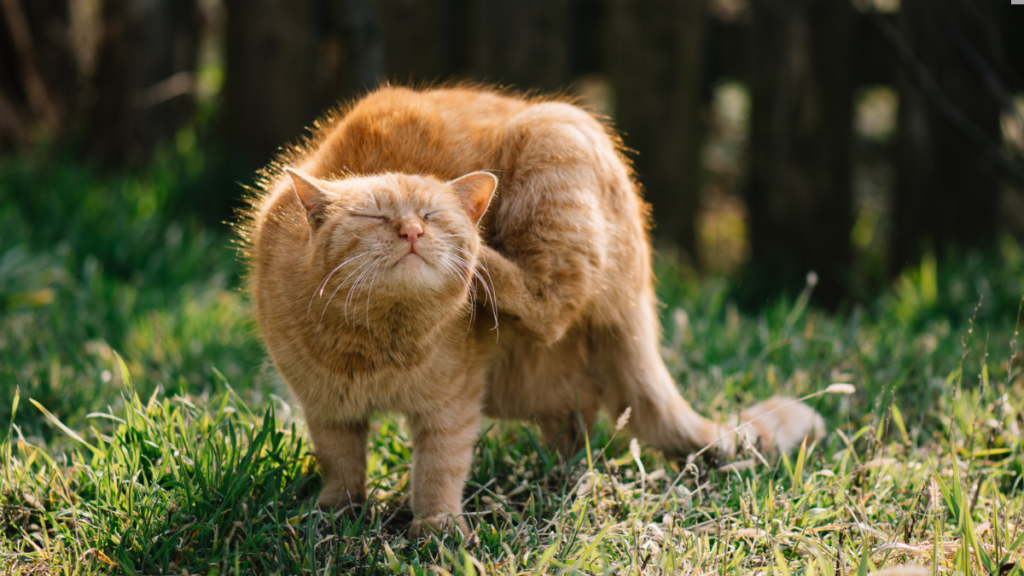
Cat ownership is a delightful responsibility. They can be hilarious, sweet, and incredibly independent! As much as they like to be on their own, they also require care and attention from their owners.
Neglecting certain aspects of their care can make it more difficult to keep them healthy, happy, and well-behaved. In this article, we will look at the top cat owner mistakes and how to avoid them.

1. Neglecting Regular Veterinary Care
Cat owners often make the mistake of delaying or skipping regular veterinary check-ups. Cats are experts at hiding pain or illness, so they may appear fine when they are not. Regular veterinary visits are important for early detection of diseases, vaccinations, dental care, and overall health maintenance.
Cats need annual exams, and senior cats may need biannual visits. These check-ups can help catch diseases like kidney disease, diabetes, hyperthyroidism, or dental disease before they become more serious. Preventative care can save your cat’s life and money in the long run, as vaccinations and parasite control prevent potentially deadly diseases.
How to Avoid This Mistake:
-
Schedule yearly veterinary visits for cats under seven years old.
-
Senior cats should have biannual veterinary exams.
-
Ensure your cat is up-to-date on vaccinations, flea, and worming treatments.
-
Ask your vet about preventative dental care.
2. Feeding the Wrong Diet
Cat owners often feed their feline friends an inappropriate diet. Cats are obligate carnivores, meaning they need to eat meat to survive. Feeding them dog food, a low-quality dry diet, or too many treats can lead to malnutrition and obesity. Obesity in cats is a major problem and can cause diabetes, joint issues, and heart disease.
Feeding your cat all day long (free-feeding) can also lead to overeating and obesity. It’s important to measure your cat’s food portions according to their weight, age, and activity level.
How to Avoid This Mistake:
-
Feed a high-quality cat food with real meat as the main ingredient.
-
Avoid feeding dog food or too many human foods.
-
Feed your cat measured portions twice a day instead of free-feeding.
-
Consult with your vet about your cat’s dietary needs, especially if they have health issues or are overweight.

3. Ignoring Dental Health
Dental health in cats is often neglected, but it is a serious problem. Dental disease is extremely common in cats and can lead to pain, tooth loss, infections, and even organ damage if bacteria enter the bloodstream. Many owners don’t realize their cat has dental disease until they stop eating or have bad breath, but by then, the problem may be severe.
How to Avoid This Mistake:
-
Brush your cat’s teeth regularly with cat toothpaste.
-
Offer dental treats or toys that help reduce plaque.
-
Have your vet do regular dental exams and cleanings.
4. Failing to Provide Environmental Enrichment
Cats are highly intelligent and curious creatures that need both mental and physical stimulation. Failing to provide this enrichment is one of the top cat owner mistakes. Cats that are bored or unstimulated can develop behavior problems like aggression, excessive scratching, or over-grooming.
How to Avoid This Mistake:
-
Provide plenty of toys, scratching posts, and climbing spaces.
-
Rotate your cat’s toys to keep them interesting.
-
Play interactive games for at least 15–20 minutes per day.
-
Use puzzle feeders or treat-dispensing toys to challenge them.
5. Neglecting Litter Box Maintenance
Cats love a clean litter box, and many cat owners make the mistake of not scooping daily, using the wrong type of litter, or putting the litter box in a high-traffic or noisy area. Poor litter box hygiene can lead to inappropriate elimination and cause stress for both the cat and the owner.
How to Avoid This Mistake:
-
Scoop the litter box at least once a day.
-
Change the litter completely every week or as recommended by the type of litter you use.
-
Provide one litter box per cat, plus one extra if possible.
-
Keep litter boxes in quiet, easily accessible places.

6. Not Understanding Cat Behavior
Cats communicate in subtle ways, and misinterpreting their behavior is a common mistake among cat owners. A cat that hides, for example, may not be shy but stressed or unwell. Misreading your cat’s signals can lead to inappropriate responses, which can cause anxiety or aggression.
How to Avoid This Mistake:
-
Learn to read cat body language: ears, tail, eyes, and posture all tell you about their mood.
-
Respect your cat’s boundaries; if they don’t want to be touched or approached, let them be.
-
Provide safe places where your cat can hide and relax.
7. Overlooking Grooming Needs
While cats are good at grooming themselves, some breeds and individual cats need extra grooming. Neglecting grooming can lead to matting, skin infections, or hairballs. Long-haired cats especially need regular brushing to prevent tangles and discomfort.
How to Avoid This Mistake:
-
Brush your cat regularly (at least once a week for short-haired cats and daily for long-haired cats).
-
Trim nails as needed.
-
Check ears and eyes for signs of infection or irritation.
-
Take your cat to a professional groomer if necessary.

8. Letting Cats Go Outdoors Unsupervised
Allowing cats to roam outdoors unsupervised is a common mistake. Outdoor cats are at risk from traffic, predators, toxic plants, and infectious diseases. Indoor cats also benefit from outdoor experiences, but unsupervised access to the outdoors can be dangerous.
How to Avoid This Mistake:
-
Keep your cat indoors or supervise them while outside.
-
Use cat harnesses and leashes for outdoor excursions.
-
Consider creating a “catio” (enclosed outdoor space) for safe exploration.
9. Ignoring Signs of Stress or Illness
Cats are notoriously stoic and will often hide signs of pain, stress, or illness until it is too late. Ignoring subtle changes in your cat’s behavior, appetite, or litter box habits is a mistake that can affect their health.
How to Avoid This Mistake:
-
Monitor your cat’s eating, drinking, grooming, and activity levels.
-
Look for changes in behavior such as hiding, aggression, or excessive vocalization.
-
Contact your vet promptly if you notice anything unusual.
10. Failing to Provide Proper Identification
Cats can escape, and without proper identification, you may never see them again. Microchipping, collars with ID tags, and keeping your contact information up-to-date are crucial for your cat’s safety.
How to Avoid This Mistake:
-
Ensure your cat is microchipped and registered.
-
Use a breakaway collar with an ID tag.
-
Keep contact information updated, including phone number and address.
11. Overlooking Socialization Needs
While cats are often thought of as independent, socialization is important, especially in kittenhood. Poor socialization can lead to fearful or aggressive behavior in adult cats. Even adult cats benefit from positive exposure to new people, pets, and environments.
How to Avoid This Mistake:
-
Handle kittens gently and frequently from a young age.
-
Introduce new people, pets, and experiences gradually.
-
Reward positive interactions with treats or play.
12. Not Being Prepared for Emergencies
Emergencies, such as accidents or sudden illness, can occur at any time, and many cat owners make the mistake of not having a plan in place. This can lead to delays in getting your cat the care they need.
How to Avoid This Mistake:
-
Keep a pet-specific first aid kit on hand.
-
Know the location and contact details of your nearest 24-hour veterinary clinic.
-
Have a list of emergency contacts, including pet sitters and neighbors.
Conclusion
Cat ownership is a rewarding responsibility. Understanding and avoiding the top cat owner mistakes can make a big difference in your cat’s life. From regular veterinary care and proper nutrition to environmental enrichment and behavior, every aspect is important in keeping your cat healthy, happy, and well-behaved.
Staying attentive, educated, and proactive is the key to making sure your feline friend thrives. Cats are independent, but they still need you to provide them with care, love, and a safe environment. Avoiding these common mistakes not only prevents problems but also enhances the bond between you and your cat. Enjoy many happy, healthy years of companionship together!
Save pin for later


- The Cutest Cat Breeds in the World - March 21, 2026
- Black Cat Names That Are as Mysterious and Beautiful as They Are - March 21, 2026
- Did You Know Your Dog Could Have Diabetes? - March 20, 2026