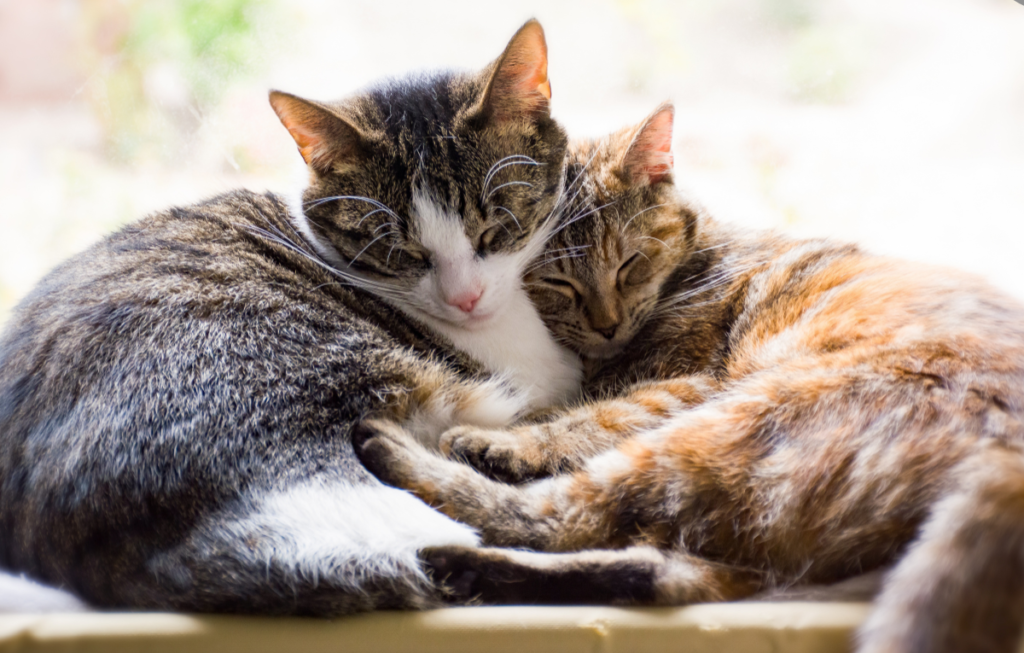
Your cat deserves to look and feel their absolute best every single day. If you want your cat to have soft fur, healthy skin, less shedding, and a shiny coat, then understanding Cat Skin and Coat Health Tips That Actually Work can make a huge difference in their overall health and happiness. A cat’s coat is more than just appearance. Their skin and fur often act like a mirror, reflecting what’s happening inside their bodies. When your cat is healthy, hydrated, properly fed, and emotionally balanced, it usually shows through smooth skin and glossy fur. But when something is wrong, one of the first places you’ll notice it is in their coat condition.
Dry skin, dull fur, excessive scratching, bald patches, heavy shedding, or greasy fur are all signs that something may need attention.
The good news?
Most skin and coat problems can either be improved or completely prevented with simple daily habits and consistent care.
Ready to help your cat look and feel healthier?
Let’s dive in.
Why Skin and Coat Health Matters
Your cat’s skin is their body’s largest organ.
It plays a major role in protecting them from the following:
- Bacteria
- Parasites
- Injury
- Temperature changes
- Environmental irritants
Meanwhile, their coat helps with the following:
- Regulate body temperature
- Protect sensitive skin
- Keep dirt away from the body
- Support mobility and comfort
Healthy skin and fur are also connected to your cat’s emotional and physical wellness.
Cats with healthy coats are often the following:
- More comfortable
- More active
- Better groomed
- Less stressed
- Better nourished
On the other hand, unhealthy coats can indicate the following:
- Poor nutrition
- Stress
- Illness
- Parasites
- Allergies
- Dehydration
That’s why learning cat skin and coat health tips that actually work is about far more than appearance alone.
What a Healthy Cat’s Coat Looks Like
Before you can recognise problems, it helps to know what “healthy” looks like.
A healthy cat’s coat is usually the following:
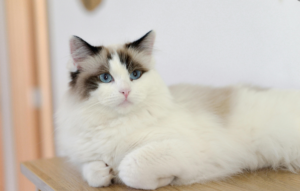
- Soft
- Smooth
- Clean
- Even in texture
- Free from excessive oiliness
- Free from bald patches
Healthy skin should appear the following way:
- Clear
- Free of flakes
- Free of redness
- Free of sores or scabs
- Not excessively dry or greasy
Keep in mind that some shedding is completely normal.
Cats naturally shed throughout the year and often shed more during seasonal transitions.
However, if your cat suddenly begins shedding heavily or develops noticeable skin irritation, it’s time to pay attention.

Common Causes of Skin and Coat Problems in Cats
Many cat owners assume skin problems happen randomly.
But most coat issues develop slowly due to daily habits, environmental stressors, or underlying health problems.
Here are the most common causes.
1. Poor Nutrition
Nutrition is one of the biggest factors affecting your cat’s coat quality.
Cats are obligate carnivores, meaning they require animal protein to thrive.
Without proper nutrition, their bodies struggle to maintain the following:
- Healthy fur growth
- Skin repair
- Natural oil production
- Immune function
Poor diets can lead to:
- Dry skin
- Excessive shedding
- Brittle fur
- Greasy coats
- Dandruff
- Slow fur growth
What your cat needs most
A healthy, skin-supporting diet should include the following:
- High-quality animal protein
- Healthy fats
- Omega fatty acids
- Vitamins and minerals
- Adequate moisture
Low-quality foods packed with fillers and unnecessary carbohydrates often contribute to poor coat condition.
Helpful Tip
Always choose high-quality cat food with real protein sources listed first.
Good nutrition is one of the most important cat skin and coat health tips that actually work.
2. Dehydration
Many cats don’t drink enough water.
And unfortunately, dehydration often shows up through skin and coat problems.
Water supports:
- Skin elasticity
- Blood circulation
- Nutrient transport
- Healthy oil production
- Overall coat quality
A dehydrated cat may develop:
- Dry skin
- Dull fur
- Fatigue
- Poor grooming habits
How to encourage hydration
Some cats dislike still water bowls.
You can encourage drinking by:
- Providing fresh water daily
- Cleaning water bowls regularly
- Using wide bowls to avoid whisker stress
- Trying a cat water fountain
- Feeding moisture-rich wet food
Hydration is one of the most overlooked parts of healthy skin care.
3. Lack of Grooming
Cats groom themselves constantly, but that doesn’t mean they never need help.
Brushing helps remove:
- Loose fur
- Dirt
- Dead skin cells
- Small tangles
- Excess oils
It also distributes natural oils throughout the coat, which helps maintain softness and shine.
Benefits of brushing your cat
Regular brushing can:
- Reduce shedding
- Prevent painful mats
- Improve circulation
- Reduce hairballs
- Help you spot skin problems early
Long-haired cats especially need frequent brushing to avoid severe matting.
4. Stress and Anxiety
Stress can seriously impact your cat’s skin and coat health.
Cats often respond to stress physically.
Some stress-related skin symptoms include:
- Overgrooming
- Excessive licking
- Bald patches
- Irritated skin
- Fur pulling
Common stress triggers include:
- Loud noises
- Environmental changes
- New pets
- Boredom
- Lack of routine
- Lack of stimulation
How to reduce stress
Help your cat feel secure by:
- Keeping routines consistent
- Providing hiding spaces
- Offering quiet resting areas
- Avoiding sudden environmental changes
- Spending quality time together
A calm cat usually has a healthier coat.
5. Parasites
Parasites are one of the most common causes of itching and skin irritation.
Fleas, mites, and ticks can quickly create major discomfort.
Signs of parasites include:
- Constant scratching
- Hair loss
- Scabs
- Red skin
- Excessive grooming
- Restlessness
Prevention matters
Preventive care is always easier than treatment.
Ways to reduce parasite problems include:
- Regular vet-approved prevention
- Frequent coat checks
- Keeping bedding clean
- Vacuuming often
- Monitoring outdoor exposure
Brushing Your Cat Properly
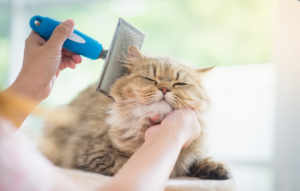
Brushing should become part of your normal routine.
Many cats actually enjoy gentle brushing once they get used to it.
How often should you brush?
Short-haired cats
Usually, 2–3 times per week works well.
Long-haired cats
Daily brushing is often necessary.
Tips for easier brushing
- Use soft brushes designed for cats
- Brush gently
- Keep sessions short
- Reward your cat afterwards
- Never yank mats painfully
Brushing shouldn’t feel stressful or painful.
Done correctly, it becomes bonding time.
Best Nutrients for Healthy Skin and Fur
Certain nutrients play a huge role in coat quality.
Protein
Cats need protein for the following:
- Fur growth
- Tissue repair
- Skin maintenance
Without enough protein, coats often become dull and weak.
Healthy Fats
Healthy fats help maintain:
- Soft fur
- Flexible skin
- Natural moisture barriers
Omega-3 and Omega-6 Fatty Acids
These support:
- Reduced inflammation
- Less dryness
- Healthier coats
- Better skin repair
Vitamins and Minerals
Nutrients like zinc and vitamin E support healthy skin regeneration.
Balanced nutrition is one of the strongest foundations for healthy skin and fur.
Managing Shedding
All cats shed.
But excessive shedding can become frustrating.
Causes of excessive shedding
Heavy shedding may happen due to:
- Stress
- Poor diet
- Seasonal changes
- Lack of grooming
- Illness
How to reduce shedding
Helpful habits include:
- Regular brushing
- Proper hydration
- Healthy nutrition
- Stress reduction
- Routine vet care
Consistency matters more than quick fixes.
Should You Bathe Your Cat?
Most cats do not need frequent baths.
Overbathing can actually strip natural oils from the skin and create dryness.
When baths may help
Bathing may occasionally be needed if:
- Your cat gets extremely dirty
- They develop a skin condition
- Your vet recommends medicated shampoos
Otherwise, regular brushing is usually enough.
Hairballs and Coat Health
Hairballs are directly connected to grooming and shedding.
Cats swallow loose fur during grooming.
When too much fur accumulates in the digestive tract, hairballs form.
How to reduce hairballs
You can help by:
- Brushing regularly
- Increasing hydration
- Feeding quality food
- Using hairball-control diets if needed
Less loose fur means fewer hairballs.
Seasonal Skin and Coat Changes
Your cat’s coat may change throughout the year.
Winter
Dry indoor air may cause the following:
- Dry skin
- Flaking
- Static fur
You may need to increase hydration and brushing.
Summer
Cats often shed heavily during warmer weather.
More frequent brushing helps remove excess fur and keeps coats comfortable.
Indoor Cats Need Skin Care Too
Many people assume indoor cats have fewer skin problems.
That’s not always true.
Indoor cats can still experience the following:
- Dry skin
- Stress grooming
- Obesity-related grooming issues
- Allergies
- Poor circulation from inactivity
Indoor cats still require the following:
- Exercise
- Grooming
- Mental stimulation
- Proper hydration
Signs Something May Be Wrong
Pay attention to changes in your cat’s appearance or behaviour.
Contact your veterinarian if you notice:
- Severe scratching
- Bald spots
- Redness
- Scabs
- Swelling
- Open sores
- Sudden coat changes
- Excessive licking
- Skin odor
- Greasy fur
- Unusual shedding
Early treatment often prevents bigger problems later.
Daily Habits That Keep Skin and Fur Healthy
Small habits create major long-term results.
Simple daily routine
1. Feed quality food
Nutrition affects everything.
2. Keep fresh water available
Hydration supports skin health.
3. Brush regularly
Even a few minutes helps.
4. Monitor for changes
Check your cat’s skin often.
5. Reduce stress
Routine and calm environments matter.
6. Encourage activity
Healthy circulation supports healthy skin.
Common Skin and Coat Mistakes Cat Owners Make
Avoid these common problems.
Ignoring scratching
Excessive scratching is never something to dismiss.
Feeding poor-quality food
Cheap food often causes long-term health issues.
Skipping grooming
Mats and trapped oils can become painful.
Overbathing
Too many baths dry out the skin.
Waiting too long
Small skin issues can become serious quickly.
When to Visit the Vet
Some skin issues require professional treatment.
See your veterinarian if:
- Your cat develops bald patches
- Skin becomes infected
- Scratching becomes severe
- You notice bleeding
- Your cat stops grooming
- Coat changes suddenly
- Your cat appears uncomfortable
Skin conditions sometimes signal deeper medical issues.
Why Prevention Always Wins
Preventing skin problems is much easier than treating them later.
Healthy habits now can help your cat avoid:
- Chronic itching
- Painful infections
- Severe matting
- Stress-related overgrooming
- Long-term discomfort
The little things you do daily truly matter.
Final Thoughts
Your cat’s skin and coat reveal more about their health than most people realise. A shiny coat, healthy skin, and normal grooming habits are often signs your cat feels good physically and emotionally. Meanwhile, dull fur, excessive scratching, bald spots, or dry skin may indicate something needs attention.
The good news is that most skin and coat issues improve with:
- Better nutrition
- Proper hydration
- Consistent grooming
- Daily monitoring
- Stress reduction
- Preventative care
The best part? None of this has to be complicated. If I could leave you with one final piece of advice about cat skin and coat health tips that actually work, it would be this: Focus on consistency over perfection.
Small healthy habits every single day can dramatically improve your cat’s comfort, appearance, and overall quality of life for years to come.
Save Pin for later

- Dog Nutrition Guide for Better Health and Energy - May 23, 2026
- How to Keep Your Cat Healthy and Active at Home - May 17, 2026
- Dog Health Tips for Indoor and Apartment Living - May 17, 2026