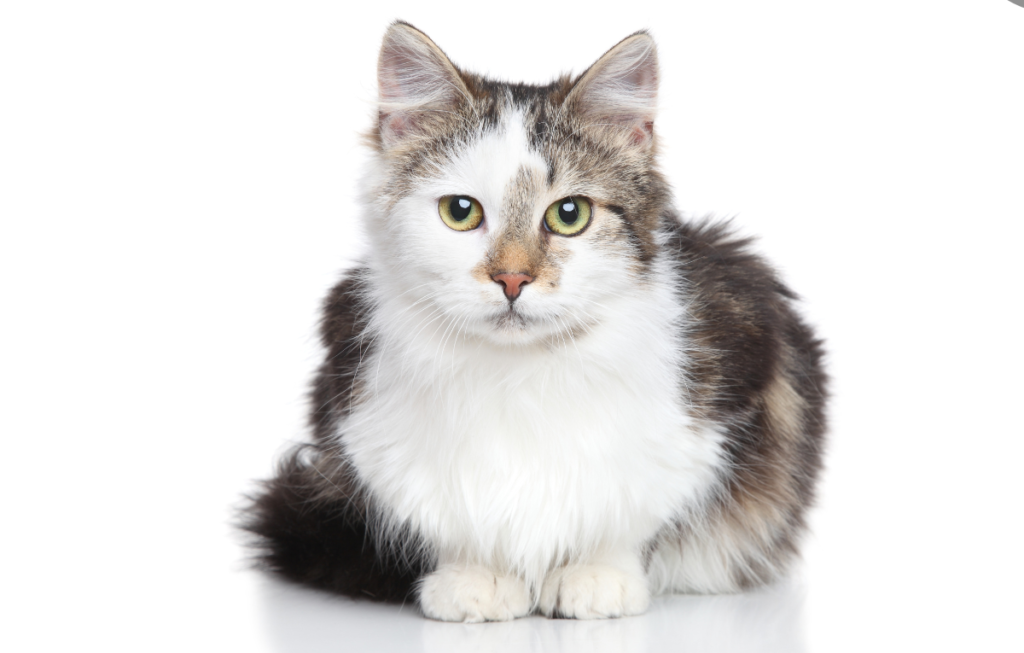
Are you looking for a cat breed that’s friendly, social, and affectionate? Choosing a cat that you can bring home to meet the entire family can feel overwhelming—especially if you’ve never owned one before.
In this guide to The Most Affectionate Cat Breed Options for Families, I’m going to walk you through what makes a cat truly loving, which breeds are known for their affectionate nature, and how to choose the right one for your home. Because while not every cat is going to curl up on your lap 24/7, there are cats out there that will follow you from room to room, greet you at the door, and genuinely enjoy being part of your daily life.
If that’s what you’re looking for, you’re in the right place.

What “Affectionate” Really Means in Cats
Before we jump into specific breeds, let’s clear something up—cats don’t show affection the same way dogs do.
You might not always get tail wags and jumping excitement. Instead, cats show love in quieter, more subtle ways that are easy to miss if you don’t know what to look for.
Here are some common affectionate cat behaviours:
- Sitting on your lap
- Following you around the house
- Slow blinking at you
- Headbutting (also called “bunting”)
- Sleeping next to you (or on you)
- Making soft chirps or purring sounds
These actions are intentional. Cats don’t waste energy on things they don’t care about. So if your cat is choosing to be near you, that’s real affection—not coincidence.
Another thing to understand is that affection can vary from cat to cat—even within the same breed. Some cats will be clingy and constantly seek attention, while others will show love by simply sitting quietly beside you. Both are forms of affection. You just have to learn your cat’s “language”.
Why Affectionate Cats Are Great for Families
If you’ve got kids, visitors, or a busy household, the personality of your cat matters just as much as their appearance.
Affectionate cats tend to:
- Be more tolerant of handling
- Enjoy social interaction
- Adapt better to noise and activity
- Build stronger bonds with multiple people
This makes daily life smoother. Instead of constantly worrying about your cat hiding or reacting negatively, you’ll have a pet that fits naturally into your family routine.
On the flip side, more independent or reserved cats may struggle with:
- Loud environments
- Frequent interaction
- Being picked up or approached often
That doesn’t make them “bad” cats—it just means they’re not always the best fit for a high-energy home.

Traits to Look for in a Family-Friendly Cat
Before picking a breed, focus on these personality traits:
1. Social Nature
You want a cat that enjoys being around people—not one that disappears all day.
2. Patience
Kids can be unpredictable. A patient cat will tolerate that better.
3. Adaptability
Your home won’t always be quiet. Choose a cat that can handle change.
4. Gentle Temperament
Affection plus calmness equals a well-balanced pet.
When a cat has these traits, they’re far more likely to thrive in a family setting.
The 14 Most Affectionate Cat Breed Options for Families
Now let’s get into the breeds that are widely known for their loving and people-oriented personalities.
1. Ragdoll
Ragdolls are famous for their relaxed, floppy nature when held. They love being carried, cuddled, and included in everything you do.
Why families love them: They’re calm, tolerant, and incredibly affectionate.
2. Maine Coon
These gentle giants combine size with sweetness. They’re playful, patient, and great with kids.
Why families love them: Big personality, bigger heart.
3. Siamese cat
Highly vocal and deeply social, Siamese cats crave attention and interaction.
Why families love them: They act like they’re part of every conversation.
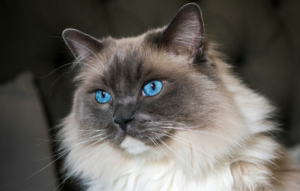
4. Birman
Birmans are affectionate without being overly demanding. They strike a perfect balance.
Why families love them: Gentle, loving, and easygoing.
5. Scottish Fold
Known for their unique ears, but loved for their calm and affectionate personality.
Why families love them: Quiet companionship with lots of love.
6. Persian cat
These cats prefer calm environments and love relaxing with their owners.
Why families love them: Perfect for quieter households.
7. Burmese cat
Extremely people-focused, these cats love being the centre of attention.
Why families love them: Playful and deeply attached to their humans.
8. Sphynx cat
Hairless but full of personality, Sphynx cats are known for being clingy and affectionate.
Why families love them: They want to be with you—constantly.
9. Abyssinian cat
Energetic and curious, they show affection through play and interaction.
Why families love them: Great for active households.
10. Tonkinese cat
A blend of Siamese and Burmese traits, making them social and playful.
Why families love them: Friendly, fun, and affectionate.

11. Exotic Shorthair
Like a Persian, but easier to maintain.
Why families love them: Low-maintenance affection.
12. Devon Rex
Playful, mischievous, and loves attention.
Why families love them: Entertaining and affectionate.
13. Oriental Shorthair
Highly social and thrives on human interaction.
Why families love them: Always involved in your life.
14. British Shorthair
More reserved but still loving in a calm, steady way.
Why families love them: Balanced and easygoing.
Mixed Breed Cats Deserve Attention Too
While breed traits can guide you, don’t overlook mixed-breed cats.
Many of the most affectionate cats come from shelters. Their personalities can be just as loving—sometimes even more so.
If possible, spend time with a cat before adopting. You’ll quickly get a sense of whether they’re social, playful, or more independent.
How to Choose the Right Cat for YOUR Family
Here’s where most people make mistakes—they choose based on looks instead of lifestyle.
Ask yourself:
- Is your home loud or calm?
- Do you have young children?
- How much time can you dedicate daily?
- Do you already have pets?
Matching personality to environment is everything.
Grooming and Maintenance
Different breeds require different levels of care.
Long-haired cats:
- Need frequent brushing
- Prone to matting and hairballs
Short-haired cats:
- Easier to maintain
- Still requires basic grooming
If you don’t want daily maintenance, go with a short-haired breed.
Health and Lifespan Considerations
Every breed has potential health concerns.
To keep your cat healthy:
- Schedule regular vet visits
- Feed a balanced, high-quality diet
- Monitor behaviour changes
A healthy cat is more active, playful, and affectionate.
How to Build Affection With Your Cat
Even the most affectionate breed needs time to bond.
Here’s how to strengthen your connection:
Spend consistent time together
Cats thrive on routine.
Let them approach you
Trust builds faster when they feel in control.
Create a safe environment
Comfort leads to confidence.
Use positive interactions
Gentle handling and rewards go a long way.
Kitten vs Adult Cat: Which Is Better?
Kittens:
- Grow with your family
- Require training
- Unpredictable personality
Adult cats:
- Personality already known
- Easier to match your lifestyle
- Typically calmer
If you want certainty, an adult cat is often the better choice.

Benefits of Having an Affectionate Cat
Affectionate cats don’t just provide companionship—they improve your daily life.
They can:
- Reduce stress and anxiety
- Improve mood
- Offer emotional comfort
For kids, they also teach:
- Responsibility
- Empathy
- Respect for animals
Final Thoughts
There’s no such thing as a universally perfect cat. But there is a perfect cat for your family. This guide to The Most Affectionate Cat Breed Options for Families is designed to help you think beyond appearance and focus on what really matters—personality, compatibility, and connection.
If you remember one thing, let it be this: Don’t just choose the cat you like. Choose the cat that fits your life. Because when you make the right choice, you’re not just getting a pet—you’re gaining a companion that will be part of your family for years to come.
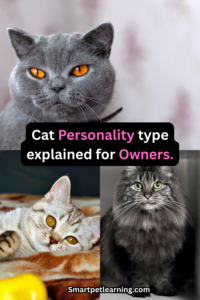
Save pin for later.

- Dog Nutrition Guide for Better Health and Energy - May 23, 2026
- How to Keep Your Cat Healthy and Active at Home - May 17, 2026
- Dog Health Tips for Indoor and Apartment Living - May 17, 2026