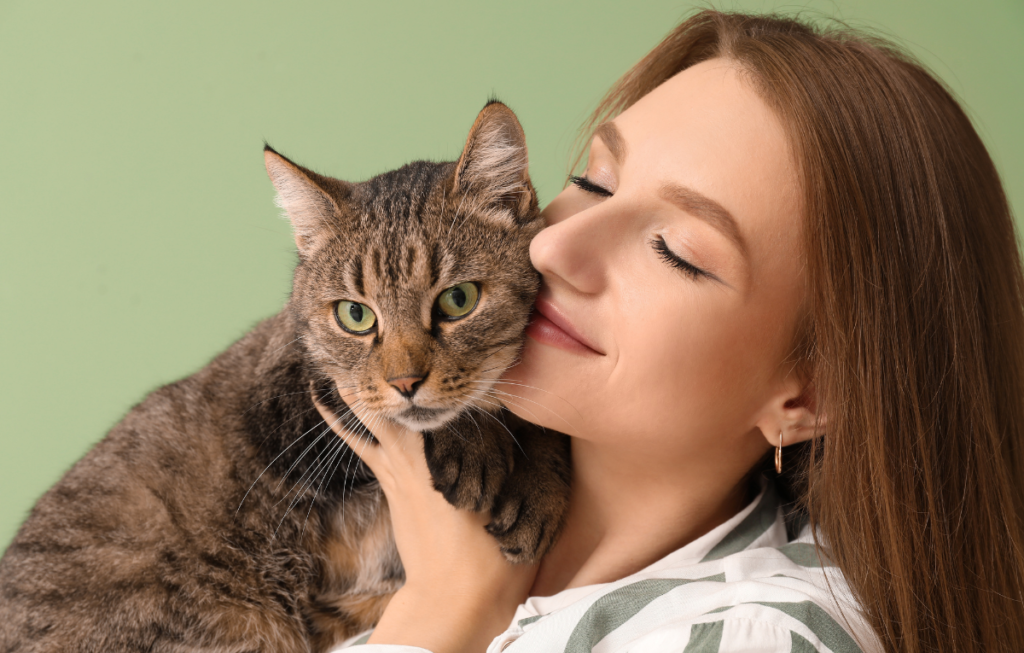
Are you looking for a cat breed that’s friendly, social, and affectionate? Choosing a cat that you can bring home to meet the entire family can feel overwhelming—especially if you’ve never owned one before.
In this guide to The Most Affectionate Cat Breed Options for Families, I’m going to walk you through what makes a cat truly loving, which breeds are known for their affectionate nature, and how to choose the right one for your home. Because while not every cat is going to curl up on your lap 24/7, there are cats out there that will follow you from room to room, greet you at the door, and genuinely enjoy being part of your daily life.
If that’s what you’re looking for, you’re in the right place.

What “Affectionate” Really Means in Cats
Before we jump into specific breeds, let’s clear something up—cats don’t show affection the same way dogs do.
You might not always get tail wags and jumping excitement. Instead, cats show love in quieter, more subtle ways.
Here are some common affectionate cat behaviours:
- Sitting on your lap
- Following you around the house
- Slow blinking at you
- Headbutting (also called “bunting”)
- Sleeping next to you (or on you)
- Making soft chirps or purring sounds
These actions are intentional. Cats don’t waste energy on things they don’t care about. So if your cat is choosing to be near you, that’s real affection.
And that’s exactly why affectionate cats make such great family pets.
Why Affectionate Cats Are Great for Families
If you’ve got kids, visitors, or a busy household, the personality of your cat matters just as much as their appearance.
Affectionate cats tend to:
- Be more tolerant of handling
- Enjoy social interaction
- Adapt better to noise and activity
- Build stronger bonds with multiple people
On the flip side, more independent or reserved cats may struggle with:
- Loud environments
- Frequent interaction
- Being picked up or approached often
That doesn’t make them “bad” cats—it just means they’re not always the best fit for a high-energy family.

Traits to Look for in a Family-Friendly Cat
Before picking a breed, focus on these personality traits:
1. Social Nature
You want a cat that enjoys being around people—not one that hides all day.
2. Patience
Kids can be unpredictable. A patient cat will handle that better.
3. Adaptability
Your home won’t always be quiet. Choose a cat that can adjust.
4. Gentle Temperament
Affection plus calmness = the perfect family combo.
The 14 Most Affectionate Cat Breed Options for Families
Now let’s get into what you came for—the breeds that are known for being loving, social, and family-friendly.
1. Ragdoll
One of the most affectionate breeds out there. Ragdolls are known for going limp when held and absolutely loving human attention.
Best for: Families who want a cuddly, laid-back companion.
2. Maine Coon
Often called “gentle giants”, these cats are large, calm, and incredibly friendly.
Best for: Families with kids—they’re patient and playful.
3. Siamese cat
Extremely social and vocal, these cats thrive on interaction.
Best for: People who want a talkative, attention-loving cat.
4. Birman
Sweet, gentle, and very people-oriented.
Best for: Families looking for a calm but affectionate companion.
5. Scottish Fold
Known for their unique ears and loving personality.
Best for: Homes that want a relaxed, cuddly cat.
6. Persian cat
Quiet, gentle, and affectionate—but also low-energy.
Best for: Calm households that enjoy relaxed pets.
7. Burmese cat
These cats are incredibly people-focused and love attention.
Best for: Families who want a playful and interactive cat.
8. Sphynx cat
Hairless, yes—but also one of the most affectionate breeds.
Best for: Owners who want a clingy, attention-seeking cat.
9. Abyssinian cat
Energetic and curious, but still very people-oriented.
Best for: Active families who enjoy playtime.
10. Tonkinese cat
A mix between Siamese and Burmese—super social and loving.
Best for: Families who want a playful lap cat.
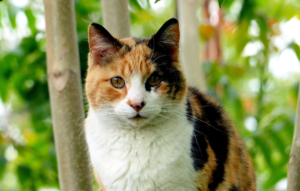
11. Exotic Shorthair
Like a Persian, but easier to maintain.
Best for: People who want affection without heavy grooming.
12. Devon Rex
Playful, mischievous, and very affectionate.
Best for: Families who enjoy quirky personalities.
13. Oriental Shorthair
Highly social and thrives on companionship.
Best for: Homes where someone is around often.
14. British Shorthair
Not overly clingy, but still loving and calm.
Best for: Families who want a balanced, easygoing cat.

How to Choose the Right Cat for YOUR Family
Here’s where most people go wrong—they pick based on looks instead of lifestyle.
Ask yourself:
- Is your home loud or quiet?
Match your cat’s tolerance to your environment. - Do you have young kids?
Choose a patient, tolerant breed. - How much time do you have?
Some cats demand attention more than others. - Do you have other pets?
Make sure your cat is social enough to handle it.
The goal isn’t to find the “best” cat—it’s to find the right one for your life.
Grooming and Maintenance
Affection isn’t the only factor—care matters too.
Long-haired cats:
- Require frequent brushing
- Prone to matting
Short-haired cats:
- Easier to maintain
- Still needs occasional grooming
If you don’t want daily brushing, stick to short-haired breeds.

Health and Lifespan Considerations
Every breed has potential health concerns.
No matter what you choose:
- Schedule regular vet visits
- Feed high-quality food
- Monitor behavior changes
A healthy cat is naturally more affectionate and active.
How to Build a Strong Bond With Your Cat
Even the most affectionate breed won’t magically bond with you overnight.
Here’s how to strengthen that connection:
Spend time together
Consistency builds trust.
Let them come to you
Don’t force affection—it backfires.
Create a safe environment
Comfort leads to confidence.
Use positive interactions.
Gentle handling goes a long way.
Kitten vs Adult Cat: Which Is Better?
Kittens:
- Grow with your family
- Require training
- Personality isn’t fully known
Adult cats:
- Personality already developed
- Easier to match your lifestyle
- Usually calmer
If you want predictability, go with an adult cat.

Benefits of Having an Affectionate Cat
Beyond companionship, affectionate cats offer real-life benefits:
- Reduce stress and anxiety
- Improve mood
- Provide emotional support
For kids, they also teach:
- Responsibility
- Empathy
- Gentle interaction
Final Thoughts
There’s no such thing as a universally “perfect” cat.
But there is a perfect cat for your family.
This guide to The Most Affectionate Cat Breed Options for Families is meant to help you think beyond appearance and focus on what really matters—personality, compatibility, and connection.
If you remember one thing, let it be this:
Don’t just choose the cat you like. Choose the cat that fits your life.
Because when you get that right, you’re not just bringing home a pet…
You’re bringing home a new member of your family.
Save Pin for later.


- Dog Nutrition Guide for Better Health and Energy - May 23, 2026
- How to Keep Your Cat Healthy and Active at Home - May 17, 2026
- Dog Health Tips for Indoor and Apartment Living - May 17, 2026