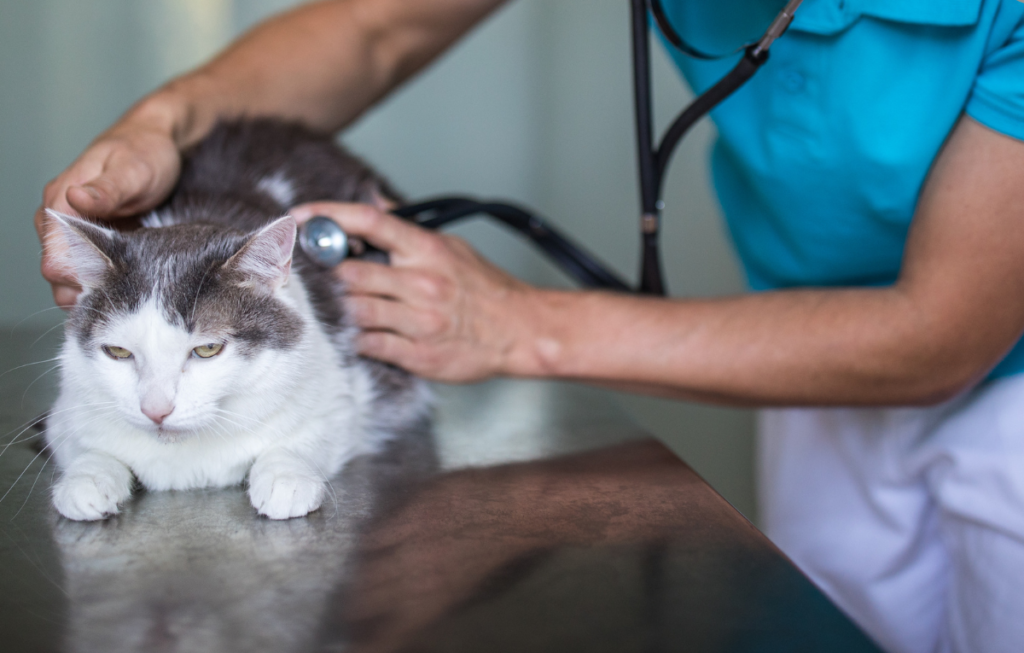
If you’ve noticed that certain cats tend to have similar health problems, it’s not just your imagination—it’s genetics. Some cat breeds are naturally more prone to specific health risks, while others are generally more resilient. Understanding these differences early on can make a massive impact on your cat’s quality of life—and even how long they live.
In this Cat Breed Health Issues and What Every Owner Should Know guide, I’m going to break everything down in a simple, no-nonsense way. You’ll learn the most common health problems, why they happen, and—most importantly—what you can actually do to prevent or manage them.
Let’s get into it.
There Is No Such Thing As a “Perfectly Healthy” Cat Breed
Let’s be real for a second.
There is no such thing as a cat that is completely immune to health problems.
Every single cat—purebred or mixed—has some level of risk.
But here’s where most people get it wrong…
They focus on reacting to problems instead of preventing them.
And that’s the difference between the following:
- A cat that struggles later in life
- And a cat that thrives well into old age
Once you understand what your cat might be prone to, you can take small, simple steps to reduce those risks significantly.
That’s what this entire guide is about.
Why Different Cat Breeds Have Different Health Issues
Before we talk about specific conditions, you need to understand why they exist.
Most cat breeds didn’t just appear naturally—they were selectively bred by humans.
Breeders choose cats based on traits like the following:
- Size
- Coat length
- Color
- Facial shape
- Personality
- Body structure
This is how we get beautiful, unique cats.
But here’s the catch…
The Hidden Cost of Selective Breeding
When you repeatedly breed for certain traits, you also concentrate specific genes—some good, some not so great.
That’s why:
- Flat-faced cats often have breathing issues
- Large cats can develop joint problems
- Long-haired cats are more prone to matting and skin conditions
This doesn’t mean your cat is “doomed”.
It just means you need to be aware.
Understanding this is a huge part of Cat Breed Health Issues and What Every Owner Should Know, because awareness leads to prevention.
The 6 Most Common Genetic Health Issues in Cats
Let’s break down the major health categories you should know about.
1. Heart Disease (HCM)
Hypertrophic cardiomyopathy (HCM) is one of the most common and serious heart conditions in cats.
It causes the heart muscle to thicken, making it harder for blood to circulate properly.
Symptoms:
- Low energy
- Rapid or labored breathing
- Sudden collapse
- Sometimes… no symptoms at all
That last one is what makes it dangerous.
What You Can Do:
- Schedule annual vet visits
- Ask breeders about heart screenings
- Pay attention to subtle changes in behavior
Early detection can make a huge difference.
2. Hip Dysplasia
Most people associate hip dysplasia with dogs, but cats can get it too.
It’s especially common in larger breeds.
Symptoms:
- Difficulty jumping
- Stiffness
- Avoiding movement
- Visible discomfort
Prevention Tips:
- Maintain a healthy weight
- Avoid overfeeding
- Provide soft surfaces for landing
3. Kidney Disease
Kidney disease is one of the most common conditions in cats, especially as they age.
Symptoms:
- Drinking more water than usual
- Frequent urination
- Weight loss
- Reduced appetite
What Helps:
- Constant access to fresh water
- High-quality food
- Regular vet checkups
Catching kidney disease early can significantly slow its progression.
4. Breathing Problems
Some cats—especially flat-faced breeds—have naturally restricted airways.
Symptoms:
- Snoring
- Noisy breathing
- Quick fatigue
Why It Happens:
Shortened nasal passages
Management Tips:
- Keep your cat cool
- Avoid intense exercise
- Monitor breathing patterns
5. Dental Disease
This is one of the most ignored health issues—and one of the most common.
Symptoms:
- Bad breath
- Red gums
- Difficulty eating
Prevention:
- Brush your cat’s teeth regularly
- Use dental treats
- Schedule professional cleanings
Dental health affects the entire body—not just the mouth.
6. Skin & Coat Issues
Skin problems can range from mild irritation to serious conditions.
Symptoms:
- Itching
- Hair loss
- Red or flaky skin
What Helps:
- Regular grooming
- Balanced diet
- Vet consultation when needed

Health Differences Based on Cat Type
Instead of focusing on individual breeds, it’s helpful to group cats by type.
Long-Haired Cats
Beautiful—but higher maintenance.
Common Issues:
- Matting
- Hairballs
- Skin irritation
Care Tips:
- Brush multiple times a week
- Check for hidden mats
- Feed a coat-supporting diet
Flat-Faced Cats (Brachycephalic)
Adorable, but sensitive.
Common Issues:
- Breathing difficulties
- Eye discharge
- Overheating
Care Tips:
- Keep them cool
- Clean their eyes regularly
- Avoid overexertion
Large Breed Cats
Big cats = big responsibilities.
Common Issues:
- Joint stress
- Obesity
- Slower growth
Care Tips:
- Monitor weight
- Support joint health
- Avoid overfeeding

Hairless Cats
Unique—and surprisingly high maintenance.
Common Issues:
- Skin irritation
- Oil buildup
- Temperature sensitivity
Care Tips:
- Regular bathing
- Protect from cold and heat
- Monitor skin condition
Food Makes a HUGE Difference
Let’s keep it simple:
Bad food = more health problems
Good food = better long-term health
What to Look For:
- High-quality protein
- Essential nutrients
- Minimal fillers
What to Avoid:
- Cheap, low-quality ingredients
- Overfeeding
- Irregular feeding schedules
Your cat’s diet affects everything—from skin health to organ function.
Obesity Is One of the Biggest Preventable Issues
This one deserves extra attention.
Obesity doesn’t just make your cat “a little chubby”.
It can lead to:
- Joint problems
- Heart disease
- Diabetes
How to Prevent It:
- Measure food portions
- Encourage daily play
- Monitor weight consistently
A healthy weight is one of the easiest ways to extend your cat’s life.
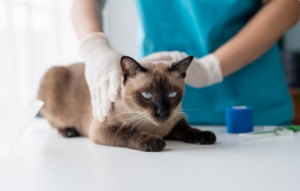
Regular Vet Care Is Non-Negotiable
Even if your cat seems perfectly healthy…
They still need regular checkups.
Why?
Cats are experts at hiding illness.
By the time symptoms appear, the issue may already be advanced.
What Happens During a Checkup:
- Physical exam
- Vaccinations
- Blood tests (if needed)
Think of vet visits as preventive maintenance—not just emergency care.
Know Your Cat’s Normal Behavior
You don’t need medical training to notice something is wrong.
You just need to pay attention.
Watch for changes in:
- Eating habits
- Energy levels
- Litter box use
- Personality
Even small changes can signal a bigger issue.

Where Your Cat Comes From Matters
Not all breeders or adoption sources are equal.
Good breeders:
- Screen for genetic issues
- Provide health records
- Prioritize animal welfare
Bad breeders:
- Focus on profit
- Ignore health risks
- Provide little to no documentation
Doing your research before bringing a cat home can save you years of stress—and vet bills.
Indoor vs Outdoor Cats: Health Impact
Your cat’s environment plays a huge role in their overall health.
Indoor Cats
Pros:
- Lower risk of injury
- Less exposure to disease
Cons:
- Need mental stimulation

Outdoor Cats
Pros:
- More freedom
Cons:
- Higher risk of accidents
- Exposure to parasites and infections
There’s no one-size-fits-all answer—but safety should always come first.
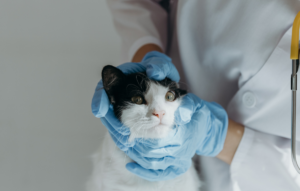
Mental Health Matters Too
Health isn’t just physical.
Cats can experience stress—and it can affect their entire body.
Stress Can Lead To:
- Loss of appetite
- Behavioral issues
- Weakened immune system
How to Keep Your Cat Mentally Healthy:
- Provide toys and stimulation
- Stick to routines
- Give them safe hiding spaces
A happy cat is a healthier cat.
5 Common Mistakes Cat Owners Make
Let’s help you avoid these:
1. Not researching the breed
You can’t prepare for what you don’t understand.
2. Ignoring preventive care
Waiting until something goes wrong is always harder.
3. Overfeeding
This leads to multiple long-term problems.
4. Skipping vet visits
Even “healthy” cats need checkups.
5. Not paying attention to behavior
Your cat will show signs if you’re watching.
Final Thoughts
Taking care of a cat isn’t just about food and shelter. It’s about understanding them. This cat breed health issues and what every owner should know guide is designed to give you that understanding so you can make better decisions for your cat every single day.
If I could leave you with a few simple takeaways, it would be this:
- Learn what your cat is prone to
- Focus on prevention over treatment
- Pay attention to behavior changes
- Stay consistent with vet care
And most importantly…
Love your cat.
Because when you combine knowledge, attention, and care, you’re not just keeping your cat alive.
You’re giving them the best possible life.
And that’s what truly matters.
Save Pin for later.


- Dog Nutrition Guide for Better Health and Energy - May 23, 2026
- How to Keep Your Cat Healthy and Active at Home - May 17, 2026
- Dog Health Tips for Indoor and Apartment Living - May 17, 2026