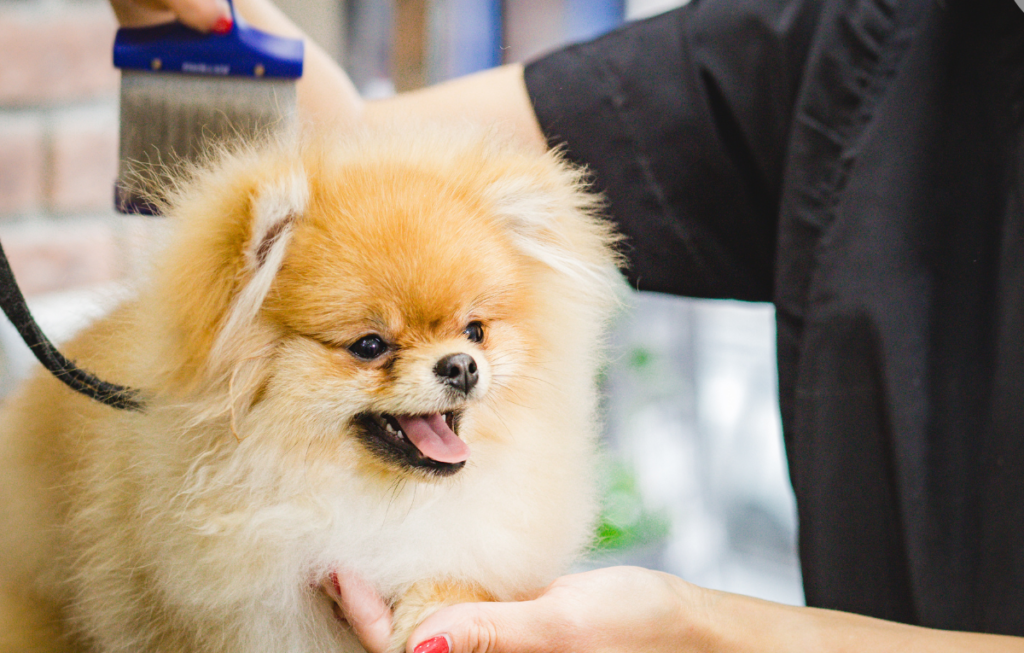
Ever looked at your dog and thought…
“I really should groom you… But where do I even start?” Yeah—me too. I used to stare at brushes and clippers, completely overwhelmed by shampoos, conditioners, and tools I didn’t understand. Every time I Googled how to groom my dog, it looked WAY easier when everyone else was doing it.
Dog grooming doesn’t have to be complicated. You don’t have to learn everything at once—you just need to know where to start. And that’s exactly where most people get stuck. They don’t fail because grooming is hard… they fail because they try to learn too much, too fast.
So let’s simplify it.
Let’s build a grooming routine that actually works for you and your dog.
Why Does Grooming Feel So Complicated?
There’s a LOT of information out there.
Search “how to groom my dog”, and you’ll find:
- Endless brushes
- Clippers and tools you’ve never heard of
- Conflicting advice
- Professional groomers make it look effortless
It’s enough to make you feel like you need to be an expert before you even begin.
You don’t.
You just need the basics.
Before You Begin, Set Your Goal
Let’s get one thing straight—your goal is NOT to
- Force your dog to go through grooming
- Achieve “perfect” results
- Try advanced styles your dog doesn’t need
Your goal IS to
- Keep your dog clean
- Prevent discomfort
- Build a routine you can stick to
That’s it.
Keep it simple.
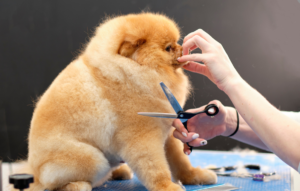
Step 1: Figure Out Your Dog’s Coat Type (Keep It Simple)
Don’t overthink this.
Just ask:
- Is the coat short or long?
- Does your dog shed a lot?
- Does it tangle easily?
- Is it thick or double-layered?
Quick guide:
- Short coat → Low maintenance, light brushing
- Long coat → Needs regular brushing
- Curly coat → Prone to matting
- Double coat → Heavy shedding
That’s enough to get started.
Step 2: Grab ONLY the Essentials
You do NOT need a full grooming kit on day one.
Start with:
- A brush suited for your dog’s coat
- Dog shampoo
- Towels
- Nail clippers (or a grinder)
That’s it.
You can upgrade later.
Step 3: Get Your Dog Used to the Process
This step is huge.
Before you even groom, help your dog feel comfortable.
- Let them sniff the tools
- Turn on the clippers without using them
- Reward calm behavior
You’re not just grooming—you’re building trust.
Step 4: Learn Brushing (Your #1 Skill)
If you learn ONE thing, make it this.
Brushing:
- Removes loose hair
- Prevents matting
- Keeps the coat healthy
How to brush:
- Start with short sessions
- Brush in the direction of the fur
- Be gentle
How often:
- Short coat → 1–2 times per week
- Long/curly coat → Daily or every other day
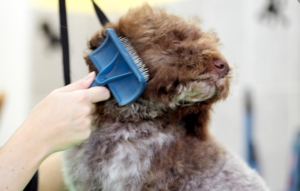
Step 5: Bath Time (Without Losing Your Mind)
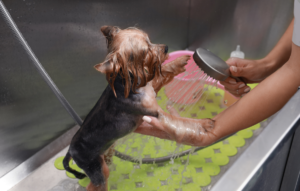
Baths don’t have to be chaotic.
Simple process:
- Use lukewarm water (not hot!)
- Wet your dog slowly
- Apply a small amount of shampoo
- Rinse thoroughly
Tips:
- Use a non-slip surface
- Keep it short
- Stay calm
Big mistake? Using too much shampoo—it makes rinsing harder.
Step 6: Dry Them Properly
Don’t skip this.
Start with towel drying—no aggressive rubbing.
If using a dryer:
- Keep the heat low
- Move slowly
- Introduce it gradually
Skipping this step can lead to the following:
- Matting
- Odor
- Skin irritation
Step 7: Nail Care (Yes, You Have to Do It)
This is where most beginners hesitate.
But it matters.
Long nails can:
- Cause discomfort
- Affect walking
- Lead to injury
Start simple:
- Trim small amounts
- Go slowly
- Reward your dog
If you’re unsure, get help from a groomer. No shame in that.
Step 8: Ears and Eyes (Keep It Basic)
No complicated routine needed.
Ears:
- Check for dirt or irritation
- Clean gently if needed
Eyes:
- Wipe away discharge
- Keep the area clean
Don’t overdo it.
Step 9: Establish a Simple Routine
Consistency beats perfection.
Start with something realistic:
- Brushing → Every few days
- Baths → Every few weeks
- Nails → Every 3–4 weeks
Over time:
- It gets easier
- Your dog gets calmer
- Sessions get faster
Step 10: Don’t Do Everything at Once
This is where beginners mess up.
They try to:
- Bathe
- Brush
- Trim nails
All in one session.
Don’t.
Focus on one thing at a time.
Short, positive sessions win every time.
Know When to Outsource
You don’t have to do everything yourself.
It’s completely fine to:
- Visit a professional groomer
- Ask for help
- Learn gradually
Think of it as teamwork—not failure.
Mistakes to Avoid
- Buying too many tools
Start simple. - Rushing the process
Slow = better. - Ignoring your dog’s behavior
Their comfort matters more than results. - Trying to be perfect
Your dog doesn’t care about perfection.
Build Trust and Confidence Over Time
You don’t become good at grooming overnight.
Progress comes from:
- Repetition
- Patience
- Consistency
The goal is simple: your dog feels safe.
When to Level Up
You can advance when:
- You feel confident
- Your dog is comfortable
- You’ve mastered the basics
That’s when you can:
- Try trimming fur
- Add new tools
- Learn advanced techniques
Signs You’re Doing It Right
- Your dog stays calm
- You don’t dread grooming
- Their coat looks healthier
That’s success.
Final Thoughts
Keep it simple. When I started, I thought I had to learn everything at once. That overwhelmed me—and my dog. Don’t do that. Start with brushing, and add bathing, then nail care.
Everything else? Comes later.
The more time you spend grooming your dog, the more natural it becomes. And before you know it, you’ll have a routine that actually works.
For both of you
Save Pin for later.

- Dog Nutrition Guide for Better Health and Energy - May 23, 2026
- How to Keep Your Cat Healthy and Active at Home - May 17, 2026
- Dog Health Tips for Indoor and Apartment Living - May 17, 2026