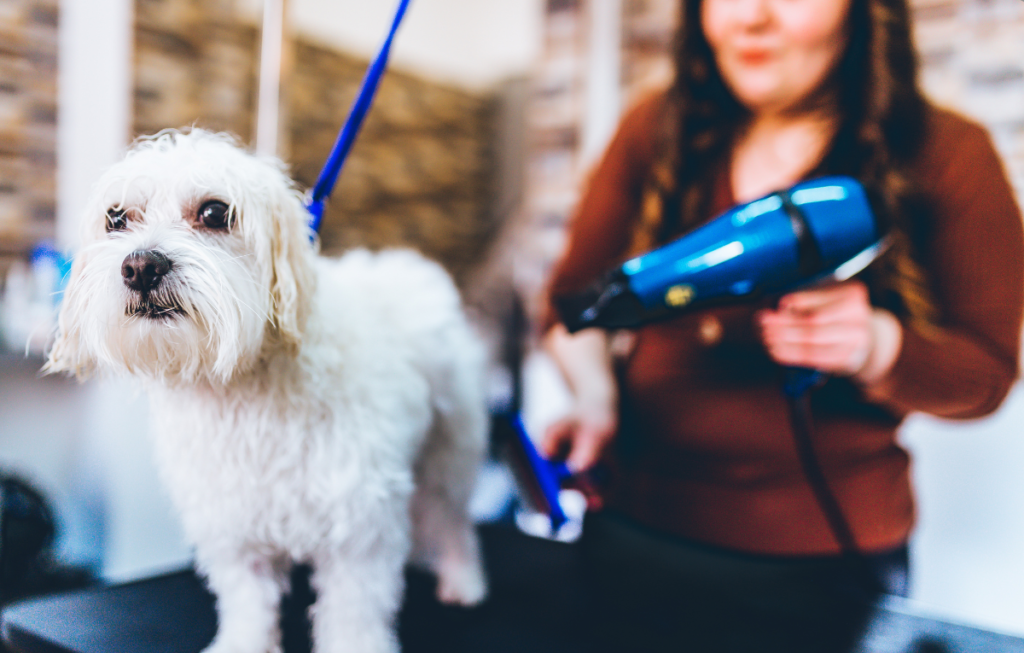
You look at your dog after a grooming session and think, “Who are you… And what have you done with my dog?”
We’ve all been there.
I used to think dog grooming was all surface-level—just keep it trimmed and clean. Then I discovered coat type… and everything changed. Dog Grooming Styles Based on Your Dog’s Coat Type and Texture isn’t just about how your pup looks. It’s about choosing a style that works with their coat, making grooming easier for them—and way easier for you to maintain. Some grooming styles simply aren’t meant for every dog. One style might look amazing on Dog A but cause painful matting on Dog B or excessive shedding on Dog C.
Understanding your dog’s coat type is key. Once you learn your pup’s texture, everything starts to make sense.
Let’s break it down.
Why Your Dog’s Coat Type Matters
Let’s take a step back.
Why should you even care about coat type?
Your dog’s coat helps with:
- Temperature regulation
- Protecting their skin
- Repelling dirt and debris
- Natural shedding
If you choose a grooming style that interferes with these functions, you’ll create more problems than you solve.
So no, this isn’t just optional—it’s important.
Different Dog Coat Types (and What They Mean)
Most dogs fall into one (or a mix) of these categories:
Smooth / Short Coat
- Short, sleek hair that lies flat
- Easy to maintain—but sheds more than you’d think
Double Coat
- Soft undercoat + protective outer coat
- Designed for insulation (warm in winter, sheds in warmer seasons)
Long Coat
- Hair grows continuously or semi-continuously
- Can be straight or wavy
Curly / Wavy Coat
- Dense, thick, often hypoallergenic
- Prone to matting
Wire Coat
- Coarse, bristly texture
- Protective outer layer
Combination Coat
- Mixed textures across the body
- Requires customized grooming
Grooming Styles for Each Coat Type
Smooth / Short Coats
Best Approach: Keep it natural.
- Brush regularly to remove loose hair
- Clean up around the eyes and ears
Avoid: Shaving too short—it doesn’t reduce shedding and can irritate skin.
Double-Coated Dogs
Let’s be clear:
DO NOT SHAVE DOUBLE COATS.
Unless medically necessary.
Why?
- Their coat regulates temperature
- Shaving removes insulation
- It can grow back unevenly or be damaged
Best Grooming Options:
- Sanitary trims
- Regular de-shedding treatments
- Keeping the coat natural
Focus on removing dead undercoat while maintaining airflow.
Long-Coated Dogs
Long coats look great but require commitment.
Popular Styles:
- Even-length trims (similar to a longer puppy cut)
- Short face/legs with longer body
- Natural full coat
Most Important Rule: Prevent matting at all costs.
Curly / Wavy Coats
These coats trap loose hair, leading to mats.
Best Styles:
- Teddy Bear Cut (rounded, medium length)
- Lamb Cut (short body, longer legs)
- Practical Cut (even, manageable length)
Key Tip: Keep the coat at a manageable length to prevent matting.
Wire Coats
Wire coats need a different approach:
Hand stripping is best.
- Removes dead hair manually
- Maintains natural texture
Avoid clipping, which softens the coat and changes its structure.
Combination Coats
There’s no one-size-fits-all here.
Examples:
- Short body + fluffy tail
- Curly body + straight ears
Best Approach: Mix techniques based on each section of the coat.
Matching Grooming Style to Lifestyle
Your dog’s environment matters.
- Active outdoor dogs → shorter, practical cuts
- Humid climates → shorter styles reduce matting
- Indoor dogs → more flexibility
Always match style to lifestyle.
Grooming Frequency by Coat Type
- Smooth Coats: Every 4–8 weeks
- Double Coats: Seasonal de-shedding + maintenance
- Long/Curly Coats: Every 4–6 weeks
- Wire Coats: Seasonal hand stripping
Best Grooming Tools by Coat Type
- Short Coats: Rubber or bristle brush
- Double Coats: Undercoat rake / de-shedding tool
- Long/Curly Coats: Slicker brush + wide-tooth comb
- Wire Coats: Stripping knife
3 Common Grooming Mistakes to Avoid
1. Choosing style over function
Looks mean nothing if your dog is uncomfortable.
2. Ignoring coat type
Not every style works for every dog.
3. Skipping maintenance
Even “low-maintenance” cuts still need upkeep.
Signs You Picked the Wrong Grooming Style
- Increased shedding
- Constant scratching
- Dull, lifeless coat
These are red flags.
Quick Fixes for Common Coat Problems
- Excess shedding: Switch to a de-shedding routine
- Dry skin: Use moisturizing shampoo + conditioner
- Matting: Visit a professional groomer
Function Over Fashion (Always)
Your dog’s grooming style should:
- Look good
- Feel comfortable
- Be realistic to maintain
If it doesn’t check all three, you need to adjust.
Working With Your Groomer
Tell your groomer:
- Your maintenance routine
- Your dog’s skin sensitivities
- What you can realistically keep up with
Ask them:
- What style suits your dog best
- How often to return
- What to do at home
Final Thoughts
Once you understand dog grooming styles based on your dog’s coat type and texture, everything becomes easier.
Stop forcing styles that fight your dog’s natural coat.
Instead:
- Identify the coat type
- Choose a compatible style
- Stay consistent with maintenance
Do that—and you’ll have a grooming routine that actually works.
For you and your dog
Save Pin for later

- Dog Nutrition Guide for Better Health and Energy - May 23, 2026
- How to Keep Your Cat Healthy and Active at Home - May 17, 2026
- Dog Health Tips for Indoor and Apartment Living - May 17, 2026