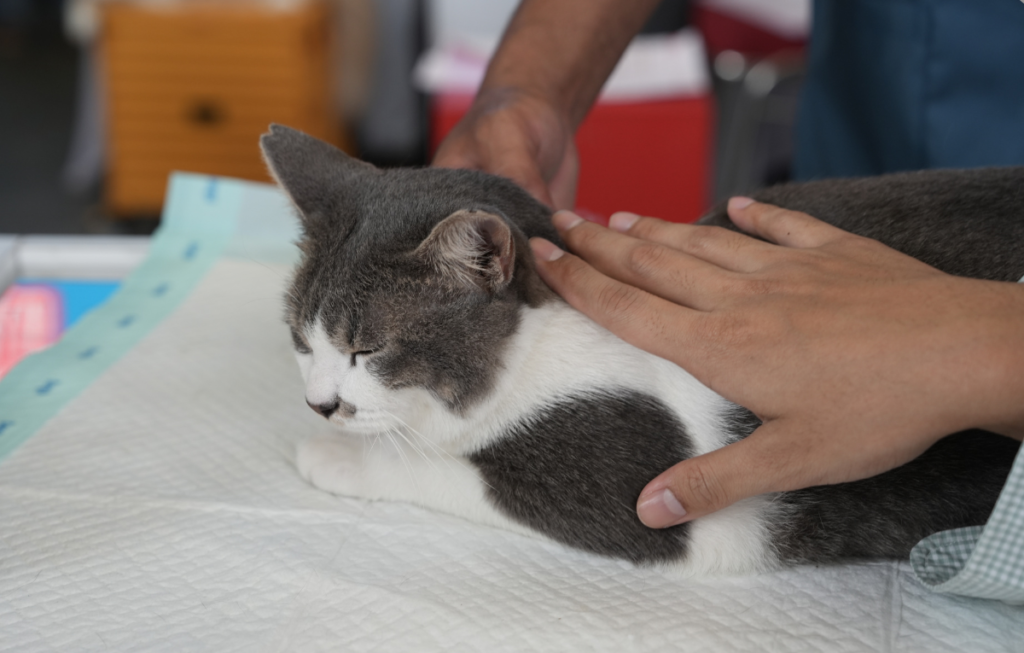
You know how secretive cats can be when they want to be! If you’re lucky enough to have a cat share your home, you know how mysterious they can seem. But what you may not know is how cats hide pain or discomfort from their owners. Between you and me, cats are instinctually programmed to hide any sign of weakness. When roaming the wild, showing weakness to other animals could mean becoming their next meal.
Domestic cats may not have to worry about starving to death in the wilderness, but they do possess that primal instinct and bring it into your living room with them. Knowing how to tell when your cat is hiding pain or discomfort could very well save their life one day, so learn what you should be looking for!
Why Cats Hide Pain in the First Place
To detect when your cat is hiding discomfort, it helps to know why they do it! Cats aren’t like dogs. Dogs will whimper, groan, and cuddle up to you when they’re not feeling well. Cats do the complete opposite because somewhere along the evolutionary timeline, hiding their pain helped them to survive. Imagine a pack of wildcats coming across a limp animal. Easy prey. When wounded, cats learned to hide their pain and tough it out.
Unfortunately for our feline friends, this method of survival does not translate well when living with humans. You could have a cat suffering from arthritis pain, urinary issues, dental disease, or even something as serious as cancer and not realize it for months. By the time you notice the more obvious symptoms, your cat has probably already been suffering for far too long. That is why these subtle signs are some of the most important ones to recognize.
Show Me the Signs!

The Most Telling Signs That Your Cat May Be Hiding Pain
1.Grooming
Have you noticed that your cat has stopped grooming themselves lately? Perhaps they seem unkempt, have lots of mats in their fur, or their coat looks dull? When cats are in pain, it can make the act of grooming painful. This is especially true if your cat is experiencing joint pain or stiffness, dental pain, or soreness on their belly.
Conversely, if you notice your cat is over-grooming a particular spot on their body, that can also be a sign of pain. Does your cat lick the same area on their leg, belly, or side repeatedly? When this happens, they are probably trying to self-soothe pain in that area. If your cat is hurting on the inside, they will often lick the skin where the problem is originating (sort of like trying to scratch an itch they can’t reach).

2.Withdrawal / Hiding
Again, cats love to sleep in quiet, cozy spots. However, there’s a difference between a cat who wants to hang out in their shady sunbeam and a cat who suddenly cannot be found and shies away from anyone who comes near. If your social butterfly suddenly hides for hours on end or turns aggressive when you try to reach them, something might be wrong.
Hiding away from you and loved ones is a big sign that your cat is trying to avoid pain or discomfort. They know you will try to pet them, play with them, or even pick them up. To a cat in pain, that type of stimulation can feel scary or overwhelming.
3.New Aggression / Irritability
Speaking of being upset with petting, has your cat suddenly become aggressive when you touch them? Cats cannot tell us they don’t feel well, so if your cat suddenly bites, swats, or scratches when you pet them, they may be hurting. Perhaps you used to be able to pick up your cat with two hands and now they jerk away as soon as you touch them. Pain, not misbehavior.
Take note if your cat is defending a certain spot. If they hiss when you get close to their belly, back, or legs, try to evaluate if they may be hurting somewhere specific. It could be something as simple as an injury from being scratched by a dog or standing up too quickly.
4.Body Posture Changes
This one goes hand in hand with the last point. Where is your cat hurting you when you try to pet them? Cats that are in discomfort will often change the way they hold their body. You may notice them hopping (instead of jumping) up onto the couch, slowing down going up and down the stairs, or slinking around instead of running.
Joint pain and arthritis are incredibly common in cats, especially as they get older. Many times you will notice your cat moving oddly but never think much of it. However, if you catch your cat licking their joints or giving any odd spots extra attention, it may be time for a vet visit.

5.Appetite & Litter Changes
A sudden loss of appetite or avoidance of food can be a sign of pain. Some cats eat less when hurting while others refuse to eat altogether. Dental pain is also incredibly common and can cause your cat to walk away from their food bowl after showing interest or only eat the softer foods.
As with appetite, cats who experience urinary pain, constipation, or other abdominal pain may avoid the litter box, cry when using the litter box, or even go outside of the litter box. Any dramatic changes to litter box habits should be addressed immediately.
6.Listen to Their Face
You may be surprised to learn that cats do, in fact, make faces when they’re hurting. Admittedly, they are not easy to see. But if you know what to look for, you’ll start seeing these subtle hints every day. Slow blinking, narrowed eyes, flattened ears, pulled-back whiskers, and a tense muzzle are just a few clues that your cat may be hurting.
7.Listen to Changes in Vocalizations
Cats do not always cry out when they are in pain, but some cats will meow more if they are hurting. Listen for increased meowing, yowling, or crying. Does your cat meow more at night when they used to sleep peacefully? Does your cat cry out when they jump into the litter box? Or maybe your normally chatty cat isn’t saying as much as they used to. All of these can be signs of hidden discomfort.

8.Changes in Breathing
You should never notice your cat breathing rapidly while they are resting or taking small, shallow breaths. If you notice that your cat seems to be struggling to breathe, that is pain they are expressing. If there is no clear reason your cat would be panting (exercise, hot weather, etc.), please contact your veterinarian immediately.
DON’T OVERLOOK THESE COMMON TESTS
Frequently Asked Questions
My cat seems tired a lot. How do I know if they’re being lazy or hurting?
Watch for behavioral changes — that is your biggest clue. If your cat has always been lazy, they will probably continue to be that way. But if you have an active, playful cat that has suddenly become very tired and sluggish, take note.
Will my cat act normal when they’re at the vet’s office?
Yes, cats are notoriously good at hiding pain from their veterinarian. The stress of the vet’s office can often cause your cat to behave, masking signs of pain they would normally show you at home. That is why it’s important to explain all of your cat’s quirks to your vet. Sending in videos of your cat’s daily habits can help your vet understand what your cat is like when they’re not in a stressful situation.
My cat ONLY does this behavior at night. Is it bad?
Unfortunately, yes. Changes in nighttime behavior are very common in older cats who are dealing with pain or cognitive difficulties. Does your cat pace, yowl, or refuse to settle down at night when they used to sleep quietly? Tell your vet this behavior occurs at night.
How often should I take my cat to the vet?
If your cat is between the ages of one and seven, I recommend bringing your cat in once a year for a check-up. If your cat is over the age of seven, bi-annual (twice a year) check-ups are best. Regular vet visits can help you discover problems before they become serious, even if your cat hides symptoms from you at home.
Final Thoughts
If your cat could talk to you, they would tell you every time they hurt themselves or didn’t feel good. But since they can’t, you have to be that voice for them. Recognizing that cats hide their pain and discomfort is the first step. My advice to anyone who loves cats? Learn what normal is for YOUR cat. When you know how your cat walks, eats, plays, and sleeps on a daily basis, you’ll notice when something is off.
Trust your instincts. If something doesn’t feel right, send that video to your vet and see what they think. You know your cat better than anyone else. Never be afraid to advocate for them.
Save pin for later


- Dog Nutrition Guide for Better Health and Energy - May 23, 2026
- How to Keep Your Cat Healthy and Active at Home - May 17, 2026
- Dog Health Tips for Indoor and Apartment Living - May 17, 2026