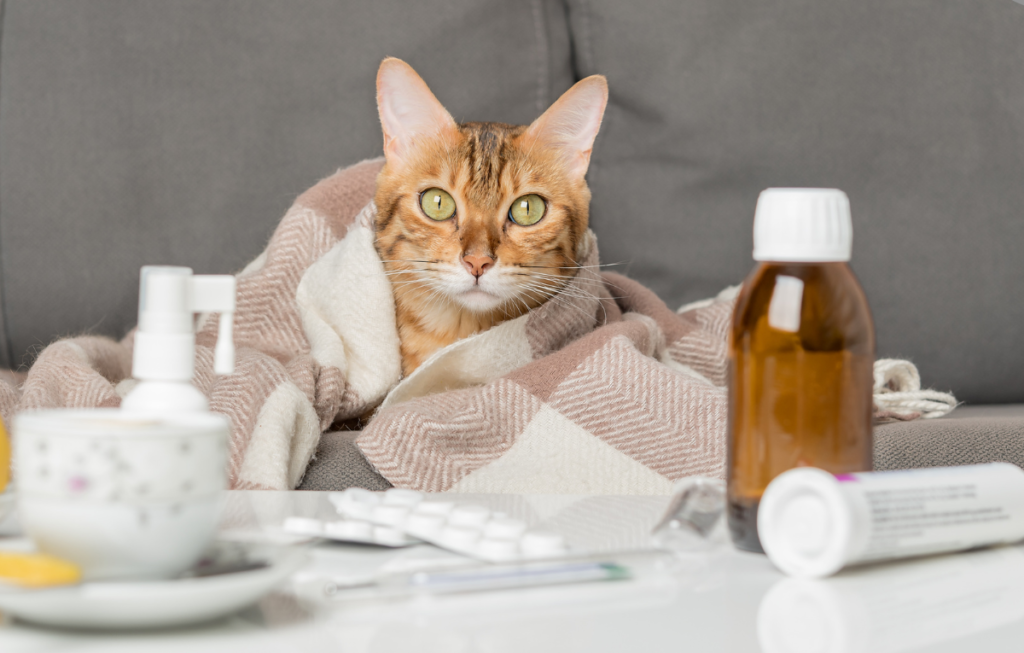
Ok, if I’m honest… One of the most frustrating things about being a cat owner is feeling helpless. You just know when something isn’t right with your cat. But by the time you notice, it can often feel like it’s too late. Which is why knowing how to tell if your cat has a fever is so important. Because when your cat has a fever, it often means there is an underlying cause for concern.
But here’s the thing with cats… Unlike humans, they aren’t going to tell you they feel warm or unwell. You have to look for other symptoms—subtle changes in behavior, energy levels, and physical signs.
Don’t worry.
What Is a Fever in Cats?
Before we can discuss how to tell if your cat has a fever, we need to answer the question… “What exactly is a fever?” A fever is when your cat’s body temperature is above normal. Normal for cats is considered to be:
38°C to 39.2°C (100.4°F to 102.5°F)
If your cat’s temperature rises above that range, it’s considered a fever.
Keep in mind:
While a fever can indicate a problem, it is not a disease or illness on its own.
Instead, it usually means there is an underlying issue your cat’s body is trying to fight, such as:
- Infection
- Inflammation
- Injury
- Disease
Knowing how to tell if your cat has a fever is just the first step in figuring out what is making your cat unwell.
Why Is It Difficult to Tell if Cats Have Fevers?
We all know cats are sneaky.
They are experts at hiding when they aren’t feeling 100%.
In the wild, predators would most likely target sick or weak animals.
So being able to mask symptoms helps keep them alive.
That instinct doesn’t just disappear when they become domestic pets.
As a result, they won’t:
- Tell you they aren’t feeling well
- Act obviously sick
- Show many clear symptoms
That’s why subtle changes in behaviour are so important to identify.
Below are some of the most common signs that your cat may have a fever.
Signs Your Cat May Have a Fever
Low energy or lethargy
- Sleeping more than usual
- Avoiding playtime
- Not engaging in normal activities
Your cat may seem a little lazy. But if you know your cat well, you’ll quickly realize when something is off.
Loss of appetite
- Food being left untouched
- Less excitement during mealtime
- Slow eating
This can be especially concerning if your cat is usually food-driven.
Warm ears and paws
If your cat’s ears and paw pads feel hot to the touch, it could indicate a fever.
However, this isn’t always reliable, as body temperature can rise in warm environments.
Shivering or trembling
Just like humans, cats may shiver when they have a fever—even if it’s not cold.
Hiding
Sick cats often seek out quiet, hidden places and may refuse to come out.
Not drinking or dehydration
- Dry gums
- Decreased water intake
- Reduced skin elasticity
If your cat’s gums feel sticky or dry, dehydration could be a concern.
Increased heart rate
- Rapid heartbeat
- Panting (cats don’t typically pant)
- Restlessness
Poor coat condition
- Lack of grooming
- Messy fur
- Dull-looking coat
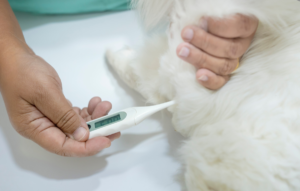
How to Tell if Your Cat Has a Fever: Taking Their Temperature
Taking your cat’s temperature is the most accurate way to know for sure.
The best method is rectal temperature measurement.
What you need:
- Digital thermometer
- Lubricant (petroleum jelly works well)
- Towel
Directions:
- Wrap your cat gently in a towel
- Lift their tail carefully
- Insert the thermometer about one inch into the rectum
- Wait for the reading
Yes—it’s not the easiest method.
But it’s the most accurate.
A reading above 39.2°C (102.5°F) indicates a fever.

When You Should Worry
While some fevers resolve with rest and hydration, you should be concerned if:
- The fever is very high (over 40°C / 104°F)
- It lasts more than 24 hours
- Your cat refuses to eat or drink
- There are additional symptoms, such as vomiting or difficulty breathing
In these cases, don’t wait—contact your veterinarian immediately.
Cat Fever: Causes and Treatment
There are many possible causes of fever in cats, including:
- Bacterial infections
- Viral infections
- Parasites
- Injury
- Inflammatory diseases
Sometimes, the exact cause isn’t obvious.
When in doubt, always consult your vet.
IMPORTANT: What You Should and Should NOT Do
Do NOT:
- Give human medications like paracetamol or ibuprofen
- Let the fever “run its course” without monitoring
- Force your cat to eat or drink
What you CAN do:
- Keep your cat comfortable
- Encourage (not force) water intake
- Monitor closely for changes
If symptoms persist or worsen, see your veterinarian.
Treatment may include:
- Hydration (sometimes via fluids)
- Medication (such as antibiotics if infection is present)
- Rest and care
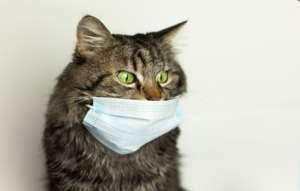
The Benefits of Catching a Fever Early
The sooner you detect a fever, the better your chances of:
- Preventing complications
- Speeding up recovery
Don’t ignore your instincts.
If something feels off, pay attention.
Final Thoughts
Your cat can tell you they have a fever.
They just do it through subtle changes in behaviour and energy.
There’s no substitute for knowing your cat’s normal patterns.
When you learn how to recognise when something is off, you can catch issues early and act quickly.
And trust me—that can make all the difference.
You’ve got this
Save Pin for later.

- Dog Nutrition Guide for Better Health and Energy - May 23, 2026
- How to Keep Your Cat Healthy and Active at Home - May 17, 2026
- Dog Health Tips for Indoor and Apartment Living - May 17, 2026