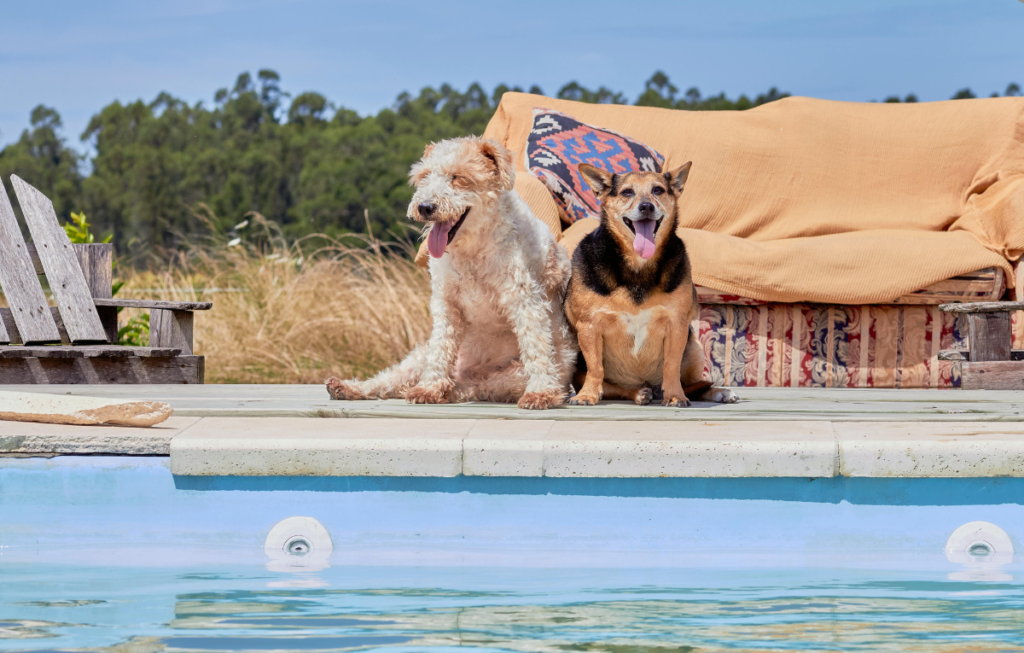
If you have a dog, you know how much they love the outdoors. There’s just something about fresh air, open spaces, and grassy smells that excites your pup. But letting your dog run wild all over an unkempt backyard isn’t good for them either. Chances are they’ll end up digging up your flower beds, making muddy paw prints all over your flooring, and trying to find an open space to call their own.
That’s why figuring out how to create the perfect outdoor dog area in your backyard is such a wonderful idea. Not only will it make your dog happier, but you’ll be happier too! I’ve given this quite a bit of thought, so let me share what I’ve learned to help you design and set up the ultimate outdoor dog space your dog will love!
Why Your Dog Deserves a Dedicated Outdoor Space
Dogs aren’t outdoor accessories that you can just place anywhere in your home. They’re your lovable fur baby and they deserve to have a dedicated space just for them. Designating a spot just for your dog has tons of benefits other than protecting your gardens. When dogs have their own space outdoors, they feel more at home. Dogs thrive on having a set routine, so when they know the exact spot to go and play in, relax, and do their business, they feel more comfortable.
Another huge reason why your dog needs their own special area is because it keeps them safe. If your dog is bounding all over your yard, they might try to chew on poisonous plants, dig under fences, or get into other things they shouldn’t. When you create a safe space just for them outdoors, you can feel better knowing they’re safe and still let them roam free.
Oh, and outdoor dog areas don’t always have to ruin the look of your yard. With the right materials and layout, you can design a space that flows with your backyard landscape and is functional for your dog.
Here Are the Key Steps to Building the Perfect Outdoor Dog Area
1.Choose the Right Location
Figure out where you want your dog’s space to be located in your backyard. You want to choose a spot that has both sunlight and shade throughout the day. You don’t want your dog’s new territory to be full sun because that can get scorching hot in the summer months. But you also don’t want their entire space to be covered in shade because then it will be mud puddles all winter. Ideally, they should have access to both sunshine and shade, so they can roam around to where they feel most comfortable.
You should also take into consideration where you will be able to see your dog’s space from inside your home. Ideally, you should be able to see into it from either a window, your kitchen, or your back door. This way you can keep an eye on your dog while they’re outside without having to supervise them every second of the day.
2.Set Up the Right Fencing or Boundaries
After you know where you want your dog’s area to be, it’s time to create the perfect boundaries. Establishing a barrier is important when it comes to keeping your dog safe. Your fencing material and height will depend on the breed and size of your dog.
If you have a large dog, or a dog that likes to jump over things, you’ll want to make sure your fencing is at least five to six feet high. If you have a dog that digs, you may want to bury the fence a few inches into the ground, or you can install what is known as a dig guard along the fencing perimeter. If you have a small dog, you can probably get away with shorter fencing. Just make sure the spaces between slats are not big enough for your dog to squeeze through.
Some popular fencing options include wood panels, chain-link fencing, metal, or vinyl. Wood fencing is beautiful and will match just about any backyard. Chain-link fencing is affordable and very durable. Pick whichever material you feel will work best with your dog’s behavior and your budget.
3.Pick the Right Ground Cover
The surface your dog will be standing and running on is important. While grass is always an option, if you have an active dog it will become worn down very quickly. Not to mention, grass will become a big muddy mess when it rains. Here are some alternative ground covers you should consider.
Pea gravel is a great option because it drains water well, stays relatively clean, and is easy to care for. Plus, dogs don’t typically mind walking on it. Pea gravel doesn’t hold in smells the way other materials can. Just make sure the gravel isn’t too sharp for your dog’s paws.
Another option is artificial turf. It looks like grass, it’s easy to hose down, and it holds up well with active dogs. It can be pricey, but most dog owners who use it love it and think it’s worth the investment.
Mulch and decomposed granite are other options some people use. Mulch can harbor insects, and some dogs will try to eat it. Decomposed granite can get extremely hot in the sun. When choosing ground cover, pick what you think is best for your dog and your budget.
4.Add Shade and Shelter
Just because your dog loves being outdoors doesn’t mean they shouldn’t have a place to relax in the shade. Too much sunlight can cause your dog to overheat, and if they love lying out in the sun, they’re at risk of getting sunburned. Always provide your dog with some sort of shelter they can crawl under when outdoors.
It doesn’t have to be expensive, either. You can pick up a simple dog house and place it in the corner of their area. There are some really cute dog house designs these days that can add style to your backyard. You could even plant some fast-growing trees or shrubs along the edge of their area. As they grow, they will provide natural shade.
Make sure any shelter you provide is breathable and lifted off the ground. You don’t want moisture getting trapped underneath. Check the shelter monthly for cleanliness.
5.Set Up a Water Station
Water is something your dog will always need. If they’re going to be outside for an extended period of time, they should always have access to fresh water. You can use a regular dog water bowl, but just remember you’ll have to clean it and refill it daily. A better option is to get your dog an outdoor fountain or automatic dog waterer. This will help keep the water fresher for longer periods of time.
Place their water station in the shadiest spot of their area. This will help prevent the water from getting too warm in the sun. If you have a larger dog, make sure the bowl or water station is large enough for them to fit their whole snout in, or secure the bowl to the ground so your dog can’t knock it over.
6.Incorporate Some Fun Enrichment Features or Toys
While your dog will enjoy spending time outdoors, they need entertainment too! Dogs need mental and physical stimulation. When they don’t get enough stimulation, destructive behavior can occur. So fill your dog’s space with fun things for them to do.
You can start by adding a sandbox for them to dig in. This will allow them to dig their little hearts out without ruining your landscaping. You can also build them a tunnel, set up a dog agility course, or get a balance disc for them to jump on. Even adding some rope toys, chew toys, and puzzle feeders will benefit your dog’s time outside.
If your dog loves water, consider getting them a sprinkler or small kiddie pool to splash around in during the warmer months.
7.Maintain Your Dog Area
Building your dog’s outdoor space is only half the battle. Keeping it clean is what helps the whole thing continue. You’ll want to scoop poop daily, hose down their area often, and check their fencing and shelter for damage regularly. If you used pea gravel or turf, you may want to do a deep clean with a pet-friendly sanitizer every once in a while. This will keep odors at bay and kill germs.
Trim around any plants or bushes along their space’s boundary. You don’t want anything overgrowing into their area or providing pests with places to hide. A clean dog area is better for your dog’s health and is more pleasing to look at.
Frequently Asked Questions
Q: How much space does my dog need for an outdoor area? A: The space your dog needs will depend on their size and energy level. A small or low-energy dog can be comfortable in a smaller area, while large or high-energy breeds will need more room to run and play. As a general rule, more space is always better. If you’re working with a limited backyard, focus on maximizing the vertical and functional elements — like shelter, enrichment toys, and a water station — to make the most of what you have.
Q: What is the best ground cover for a dog area? A: The best ground cover really depends on your dog and your budget. Pea gravel and artificial turf are two of the most popular choices because they drain well, hold up under heavy use, and are relatively easy to maintain. If you’re looking for something more natural and budget-friendly, real grass works too — just know it will require more upkeep, especially with an active dog.
Q: How do I keep the outdoor dog area from smelling bad? A: The key is consistent maintenance. Scoop waste daily and hose down the area regularly. If you’re using pea gravel or artificial turf, a periodic deep clean with a pet-safe sanitizer will go a long way in controlling odors. Placing the water station in a shaded spot also helps, since warm, stagnant water can contribute to unpleasant smells over time.
Q: Can I create an outdoor dog area on a tight budget? A: Absolutely! You don’t have to spend a lot to give your dog a great outdoor space. Start with the basics — a simple fenced boundary, a patch of pea gravel or repurposed turf, a secondhand dog house, and a water bowl. You can always add enrichment features and upgrades over time as your budget allows. The most important thing is that the space is safe, clean, and comfortable for your dog.
Q: How do I keep my dog from escaping the outdoor area? A: Make sure your fencing is the appropriate height for your dog’s size and breed. For jumpers, go at least five to six feet high. For diggers, bury the base of the fence a few inches into the ground or install a dig guard along the perimeter. Regularly inspect the fencing for any gaps, loose panels, or signs of wear that could create an escape route.
Final Thoughts
Creating the perfect outdoor dog area in your backyard is simple. If you think about what your dog needs to be happy outdoors and provide that for them, you’re going to have a fun-loving pup. They need safety, shade, water, entertainment, and a comfy place to relax. Once you give them that, your dog will fill you with joy by how much they enjoy their special spot! Start with the basics and slowly add on to your dog’s area as you can. You’ll be surprised at how happy your dog will be with a place just for them outdoors.
Save pin for later

- Dog Nutrition Guide for Better Health and Energy - May 23, 2026
- How to Keep Your Cat Healthy and Active at Home - May 17, 2026
- Dog Health Tips for Indoor and Apartment Living - May 17, 2026