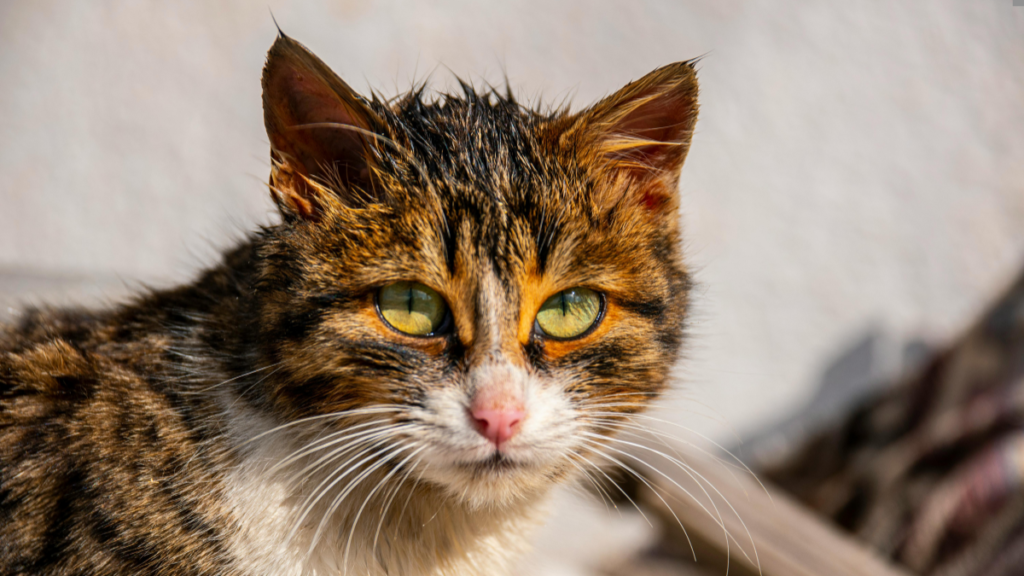
Have you ever attempted to make eye contact with your cat, only to find that they’ve turned their head away, blinked slowly, or literally walked off? Why Cats Avoid Eye Contact is something you may have wondered about if you’ve owned a cat for any period of time.
Eye contact with dogs or humans usually means they’re paying attention, showing affection, or trying to create a connection. A cat’s eyes tell a completely different story.Kitties have big personalities and plenty of emotion, but their entire communication style differs from ours. They rely heavily on body language to communicate—and their eyes are no exception.
Eye Contact Means Submission to Cats
To humans, eye contact signals honesty, attentiveness, and interest. From a young age, we’re taught to “make eye contact” when listening or speaking.
This type of body language does not translate well to cats.
In the feline world, eye contact often signals dominance.
As both predators and prey animals, cats have spent thousands of years honing their survival instincts. When two cats—or a cat and another animal—lock eyes in the wild, it usually doesn’t end peacefully. A direct stare often leads to fighting or fleeing.
Cats are extremely sensitive to eye contact, and one of their primary defensive tools is avoiding it.
When your cat looks away from you, they may be communicating neutrality or saying, “I come in peace.”
The History Behind Eye Avoidance Behavior
Before fully understanding Why Cats Avoid Eye Contact, it helps to understand where cats come from.
Survival.
Wild cats cannot afford to make other animals uncomfortable with their presence. Avoiding eye contact is an effective way to maintain peace and signal that they are not a threat.
While domesticated cats no longer need to hunt for survival, their brains still operate like those of wild cats.
When your cat watches you from across the room, they may be assessing your intentions. If you stare back, they might interpret it as scrutiny—or even a challenge.
Multi-Cat Families and Eye Contact
Although cats aren’t pack animals like dogs, they do establish social hierarchies when living with other cats and humans.
Among cats:
-
Staring = Dominance
-
Avoiding eye contact = Submission or neutrality
-
Slow blinking = Trust and relaxation
When cats avoid eye contact with one another, they’re essentially saying, “I’m not challenging you.”
Submissive cats may also avoid eye contact with their humans, especially if they view you as the dominant presence in the home.
Shy cats, newly adopted cats, and fearful cats often avoid eye contact because trust hasn’t fully developed—yet.
Avoiding Eye Contact Due to Stress or Fear
Of course, there are exceptions. Sometimes cats avoid eye contact because they feel stressed, uncomfortable, or afraid.
Does your cat hide under the bed while avoiding eye contact? That’s a clue.
Many cats respond to fear by curling into a ball, hiding, and avoiding eye contact altogether.
Common stress triggers include:
-
Loud noises
-
New people or pets
-
Schedule changes
-
Prolonged staring
Cats can even become stressed if they feel handled too much or if eye contact is forced.
Eye Pain or Sensitivity
Medical issues can also influence eye avoidance.
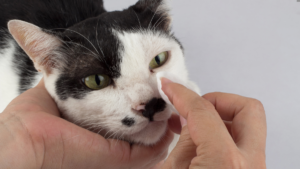
If your cat is squinting, closing their eyes more than usual, or avoiding bright light, they may be experiencing eye irritation, infection, or discomfort caused by a foreign object.
In these cases, avoiding eye contact helps reduce pain.
If you notice physical symptoms alongside behavior changes, it’s best to consult your veterinarian.
Let Your Cat Come to You
If your cat walks away when you stare at them, try looking away or blinking slowly instead.
Cats often mirror facial expressions. Relaxing your eyes signals safety and calm.
By softening your gaze, you’re reassuring your cat that there’s no threat.
Cat Kisses & the Slow Blink
Have you ever heard someone refer to a slow blink as a “cat kiss”?
When cats slowly close and open their eyes while looking at you, they’re expressing affection, trust, and contentment.
It may look like eye contact, but it’s very different from staring.
You can return the gesture by holding eye contact briefly and blinking slowly. Many cats will blink back.
Personality Differences Among Cats
Every cat is different.
Some cats enjoy brief eye contact, while others avoid it entirely. Factors that influence this include:
-
Kitten socialization
-
Past trauma
-
Breed tendencies (though personality varies widely)
-
Confidence level
Cats that were handled gently as kittens are often more comfortable with eye contact. Highly anxious cats may avoid it completely.
All of these variations are normal.
Why Cats Avoid Eye Contact When They Trust You
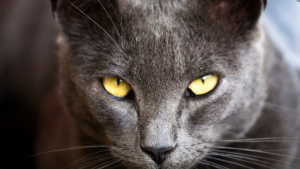
This may sound backward, but when cats trust you, they often avoid eye contact.
When a cat feels unsure or alert, they stare. Wide eyes signal vigilance and assessment.
When your cat feels safe, they don’t feel the need to watch you closely.
That’s why a trusting cat may sleep near you, turn their back to you, or walk away mid-snuggle without concern.
Eye avoidance can be a sign of deep comfort.
When Eye Avoidance Signals a Problem
If your cat avoids eye contact constantly and shows other signs of stress, something may be wrong.
Watch for:
-
Sudden behavior changes
-
Excessive hiding
-
Loss of appetite
-
Reduced play
-
Irritability
These symptoms may indicate illness, pain, or emotional distress. A vet visit is recommended if these signs persist.
The Human Factor
Most cats dislike being stared at.
Humans tend to stare without realizing it—at screens, pets, and interesting things. To cats, staring can feel threatening.
Children, in particular, often stare at animals because they view them like small humans. Cats may respond by avoiding eye contact or retreating.
How to Better Communicate With Your Cat
Don’t panic—your cat won’t hold a grudge because of one stare.
To communicate more effectively, try:
-
Avoiding prolonged staring
-
Keeping relaxed eyes
-
Using slow blinks
-
Letting your cat initiate interaction
Understanding your cat takes time—and patience.
Cats vs. Dogs: Eye Contact Differences
Dogs have been selectively bred to communicate closely with humans. For dogs, eye contact often builds connection.
For cats, eye contact can signal confrontation.
Neither species is wrong—it’s simply a difference in communication styles.
Cats Staring at Other Cats
Watch cats interact with each other, and you’ll notice one thing: staring creates tension.
In multi-cat households, staring contests often precede conflict. One cat usually looks away to avoid escalation.
Eye avoidance acts as a peace treaty.
Why Cats Avoid Eye Contact During Petting or Play
During petting, cats may close their eyes or look away to signal relaxation and trust.
During play, their focus is on the toy—not you.
This behavior reflects contentment, not disinterest.
Conclusion
Why Cats Avoid Eye Contact ultimately comes down to perspective.
When your cat looks away, they’re communicating—just not in human terms.
By observing overall body language and respecting feline communication cues, you’ll better understand whether your cat feels relaxed, stressed, curious, or content.
Learn your cat’s subtle signals, and over time, you’ll start speaking “cat” fluently.
Save pin for later

- Dog Nutrition Guide for Better Health and Energy - May 23, 2026
- How to Keep Your Cat Healthy and Active at Home - May 17, 2026
- Dog Health Tips for Indoor and Apartment Living - May 17, 2026