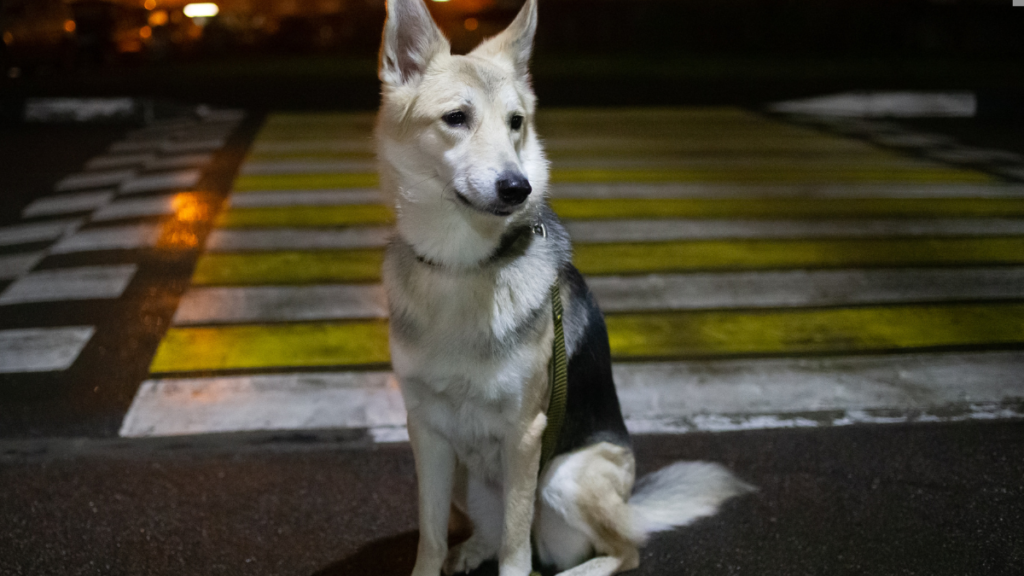
You settle down on the couch after dinner, plop your pupper into your lap, and rest your head against their back—only to get whiplashed forward five seconds later. Sound familiar?
You may find yourself questioning why dogs get hyper at night when the rest of your household is crashing. Pet parents often describe these erratic bursts of energy as confusing, frustrating, stressful, and sometimes even hilarious—but there’s a lot happening beneath the surface of those wild wiggles.
Dog nighttime hyperactivity is extremely common (and usually not a sign of misbehavior). But when you understand why dogs get hyper at night, you can respond intentionally and meet your pup’s physical and emotional needs—rather than accidentally reinforcing the chaos.
What Does “Hyper at Night” Actually Look Like?
Dog nighttime hyperactivity can show up in several ways—some more innocent than others. Knowing the signs of excess nighttime energy can help you determine whether your dog falls into this category.
Common signs include:
-
Zoomies: Sudden bouts of running and spinning
-
Noise: Barking or vocalizing more than usual
-
Jumping: Leaping on furniture or people
-
Play bowing: Attempting to initiate wrestling or roughhousing
-
Ignoring cues: Resistance to commands they normally follow
-
Difficulty settling: Trouble relaxing before bedtime
Identifying whether your dog struggles to unwind at night can help you pinpoint the root cause and address it long-term.
The Biggest Reason Dogs Get Hyper at Night: Dogs Are Crepuscular
Science explains a big piece of the puzzle—dogs are crepuscular.
Crepuscular animals are most active during dawn and dusk. Dogs, cats, rabbits, goats, and many other animals fall into this category.
Wild dogs historically hunted during low-light hours when temperatures were cooler and prey was active. Even though modern dogs sleep indoors and eat kibble, their DNA and hormonal cycles haven’t forgotten that ancestral rhythm.
So when your dog launches into a round of zoomies at bedtime, they’re not being defiant. Their dog brain may simply be saying:
“It’s time to party—this is when we’re supposed to be active!”
Daytime Energy Accumulation
On the flip side of biological instincts, dogs can also get hyper at night due to built-up energy from the day.
Energy in should equal energy out—but when that balance is off, the excess energy has to go somewhere. For many dogs, that release happens at night when you’re trying to relax.
Watch for nighttime hyperactivity if your dog is:
-
A high-energy breed
-
A puppy or adolescent dog
-
Left alone indoors most of the day
-
Taken on short or repetitive walks
Walks alone aren’t always enough. Dogs also need mental stimulation—sniffing new areas, problem-solving, learning, and exploring. Without it, nighttime chaos is more likely.
Evenings Are Exciting
Take a look at your evening routine. Who comes and goes? What happens right before bed?
Evenings are stimulating for dogs. Family members return home, lights flip on, TVs start playing, voices get louder, and routines shift. Suddenly, your dog experiences more stimulation at a time when their body should be winding down.
Many dogs associate nighttime with:
-
Play
-
Attention
-
Food
-
Walks
-
Social interaction
If dinner-time walks and evening play are the most exciting parts of your dog’s day, that’s when their energy will peak.
Teaching your dog that nighttime is for calming—not chaos—can make a huge difference.
Overtired Dogs Can Act Hyper
It sounds counterintuitive, but overtired dogs often behave like overtired toddlers.
When dogs don’t get enough quality rest during the day, their nervous systems become overstimulated. Instead of slowing down, stress hormones like cortisol and adrenaline kick in, making relaxation harder.
Signs your dog may be overtired include:
-
Trouble focusing
-
Low frustration tolerance
-
Inability to relax
-
Hyperactivity that feels frantic rather than playful
Puppies are especially prone to this. Missing naps during the day can lead to explosive energy at bedtime. Adolescence also brings spikes in impulsivity and erratic behavior—this is not the time to stop training. Teaching young dogs how to self-regulate is critical, even though nighttime hyperactivity is common at this age.
Anxiety and Stress Can Appear at Night
For some dogs, nighttime hyperactivity is emotional rather than energetic.
Stress from the day—whether psychological or environmental—often releases once things quiet down. Separation anxiety, noise sensitivity, general anxiety, and chronic overstimulation can all lead to frantic nighttime behavior.
Anxiety-driven signs may include:
-
Pacing
-
Excessive barking
-
Restlessness
-
Inability to settle
-
Sudden energy bursts without obvious triggers
Diet Can Influence Activity Levels
What and when your dog eats matters more than many people realize.
Food-related causes of nighttime hyperactivity may include:
-
High-sugar or low-quality food
-
Feeding too close to bedtime
-
Inconsistent meal times
-
Food sensitivities or allergies
Regulating meal timing and monitoring ingredient quality can help reduce nighttime restlessness.
Routine Matters
Without a consistent routine, dogs don’t receive clear signals that the day is ending.
Does your dog have a predictable bedtime routine? Many dogs struggle at night simply because they don’t know when playtime is over.
You wouldn’t expect a child to fall asleep immediately after a party—and dogs are no different. When overstimulation isn’t followed by a calm transition, bedtime becomes chaotic.
How to Stop Your Dog From Being Hyper at Night
Once you understand why dogs get hyper at night, you can stop guessing and start taking intentional action.
Expand Mental Stimulation
Mental exercise tires dogs out more effectively than physical activity alone. Try:
-
Slow sniff walks
-
Puzzle feeders
-
Obedience training during the day
-
Scatter feeding
-
Hide-and-seek games
Change When You Exercise Your Dog
Don’t save all your dog’s activity for the evening.
-
Morning walks to start the day
-
Midday enrichment or puzzles
-
Calm walks before dinner
Avoid intense exercise right before bed, as it raises heart rate and adrenaline.
Establish a Bedtime Routine
Consistency is key:
-
Feed dinner at the same time nightly
-
Follow with a calm walk or potty break
-
Use lick mats, snuffle mats, or chew toys
-
Dim lights and reduce noise
-
Encourage settling on a mat or bed
Also, encourage naps during the day—especially for puppies.
When Nighttime Hyperactivity May Be a Problem
If nighttime behavior appears suddenly, intensifies, or includes aggression or destruction, consult a veterinarian. Medical issues can sometimes cause behavioral changes that mimic hyperactivity.
Final thoughts
Labeling your dog as “bad” for nighttime behavior only increases frustration on both sides.
Understanding why dogs get hyper at night allows you to respond calmly and proactively. Most dogs aren’t trying to give you energy—they’re trying to tell you something is missing.
Whether it’s exercise, mental stimulation, training, emotional support, or rest, your dog is communicating their needs the best way they know how.
Pay attention to the clues, and the nighttime puzzle becomes much easier to solve.
Save pin for later

- Dog Nutrition Guide for Better Health and Energy - May 23, 2026
- How to Keep Your Cat Healthy and Active at Home - May 17, 2026
- Dog Health Tips for Indoor and Apartment Living - May 17, 2026