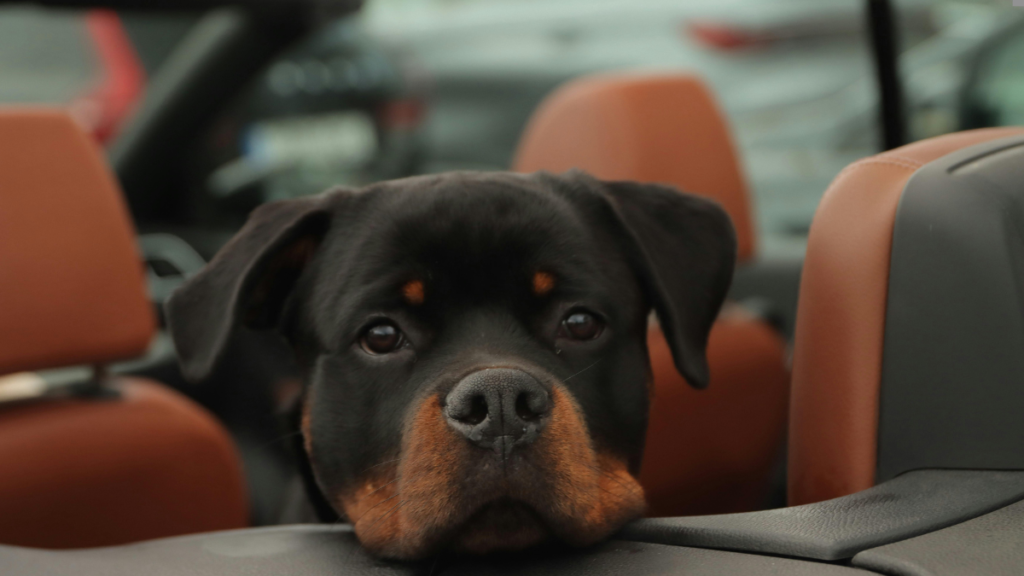
Dog owners should expect car rides to be part of life with their pup. Whether it’s trips to the park, visits to the vet, weekend road trips, or quick runs to the store, traveling with dogs is something most pet parents experience.Unfortunately, car rides can spell trouble for some dogs. As soon as your dog steps foot in the vehicle and you pull out of the driveway, nonstop barking begins.
If you’re wondering why car rides trigger barking in dogs in the first place, you’re not alone. It’s extremely common for dogs to bark during car rides for one reason or another. Many dog owners mistakenly assume their dogs are “being bad” or choose to ignore the behavior because they think it’s normal.
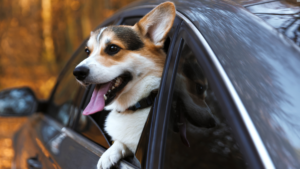
Dog Barking Is Communication
The first thing you need to understand about dog barking is that it’s communication. Dogs bark because they have something to say.
Whether your dog is overexcited, terrified, or reacting to the visual stimulation that occurs while you’re driving, they aren’t barking because they’re naughty or trying to inconvenience you.
As pet parents, it’s our responsibility to decipher what our dogs are trying to tell us so we can provide them with the best care possible and help them feel more comfortable in their environment.
Here are some of the most common reasons dogs bark during car rides.
Motion Anxiety and Loss of Control
Dogs are naturally alert creatures. They like to observe their surroundings and want to feel grounded at all times. When they’re in a moving vehicle, they lose that stability.
-
The scenery whizzes past them
-
Sounds echo from every direction
-
They’re unable to flee or approach objects
-
The ground beneath them is constantly moving
Because dogs feel like they’re losing control of both their bodies and their surroundings, some dogs bark during car rides to release tension or regain a sense of control.
Some dogs pace back and forth, whimper, pant heavily, or bark repeatedly until they calm down. Other dogs shut down emotionally and physically when stressed by motion.
Visual Overstimulation
Depending on where your dog is positioned in the vehicle, they may experience intense visual stimulation. Vehicles move quickly, so your dog is processing other cars, pedestrians, bicyclists, animals, reflections, and more.
Imagine how overwhelming it would be to watch multiple things move rapidly at once. Dogs don’t always understand where everything is going, which can trigger anxiety.
It’s even more intense if your dog:
-
Has unrestricted access to the windows
-
Can see out of multiple windows at once
-
Is sitting upright instead of reclined
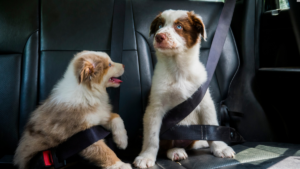
Territorial Behavior
Dogs are naturally protective of their space and loved ones. Many dogs view the car as another form of territory they must defend.
Whenever you pass another dog, pedestrian, cyclist, or vehicle, your dog may feel compelled to bark, growl, or lunge at the window to scare them away.
Just because your dog barks during car rides doesn’t mean they’re aggressive. More often than not, your dog has pent-up energy or stress they can’t release, which triggers their defensive response.
Anxiety From Past Experiences
Have you always taken your dog to the vet by car? Dogs learn through association, so if your dog has had repeated negative experiences during car rides, they may begin barking as soon as you open the car door.
Common situations that create negative associations include:
-
Veterinarian visits
-
Trips to the groomer
-
Being left alone in the car
-
Motion sickness
-
Loud or frightening noises (such as near accidents)
Excitement
For many dogs, cars equal fun. Dog parents often take their dogs to parks, dog beaches, dog-friendly stores, or on walks after getting in the car.
Your pup quickly learns that car rides mean excitement. The problem is that excitement has nowhere to go.
Excitement-based barking often:
-
Starts as soon as you enter the vehicle
-
Builds as you approach your destination
-
Sounds higher-pitched and repetitive
While this type of barking may seem harmless, it can turn into stress over time if your dog doesn’t learn how to regulate their excitement.
Owners Accidentally Reinforcing the Behavior
Have you noticed your dog briefly stops barking when you talk to them? When dogs bark during car rides, owners often respond—positively or negatively—which can unintentionally reinforce the behavior.
From your dog’s perspective:
-
Barking gets attention
-
Barking helps release emotions
-
Barking works
Rewarding barking with attention is one of the main reasons dogs develop persistent car-ride barking habits.
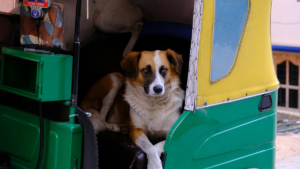
Motion Sickness or Physical Discomfort
Like humans, dogs can experience motion sickness. Dogs who feel nauseous may bark as a way to express discomfort.
Puppies often experience motion sickness because their inner ear hasn’t fully developed. Senior dogs with joint pain, hormonal changes, or anxiety may also bark due to physical discomfort.
Your dog could also be barking because they’re uncomfortable:
-
Too hot or too cold
-
Sitting awkwardly
-
Sensitive to unfamiliar smells
Always rule out physical issues before assuming your dog is bored, overexcited, or misbehaving.
Lack of Desensitization
Some dogs never learn that riding in a car isn’t urgent or threatening. Dogs who dislike car rides often need gradual desensitization.
This includes:
-
Sitting in the car while it’s parked
-
Taking short, calm rides
-
Creating positive experiences without going anywhere specific
If your dog was never slowly introduced to car travel, the experience can trigger fear or anxiety.
Breed Tendencies
Some breeds are naturally more vocal than others. Herding breeds, guarding breeds, and working dogs tend to be more sensitive to movement and environmental changes.
That said, every dog is an individual. Personality and life experiences matter far more than breed alone.
Why Dogs Bark More in Cars Than on Walks
You may notice your dog walks calmly beside you but barks intensely in the car. This difference comes down to control.
On walks:
-
Dogs choose where to look
-
Movement is slower
-
They can stop and investigate
In the car:
-
Everything moves rapidly
-
Dogs are restrained
-
Smells and sights pass quickly
When dogs lose control over their environment, emotions intensify—which is why barking often increases during car rides.
The Dog Barking Loop
Once barking starts, it can turn into a behavioral loop:
-
Dog anticipates the car ride
-
Dog enters the car
-
Emotions are triggered
-
Dog barks to release emotions
-
Dog feels temporary relief
-
Barking becomes habitual
Breaking this loop requires addressing the emotional trigger—not punishing the behavior.
Why You Should Never Punish Your Dog for Barking in the Car
Yelling or punishing a barking dog may seem effective short-term, but it often worsens the problem.
Dogs interpret punishment as:
-
Something is wrong
-
I’m not safe
-
Humans are unpredictable
Punishment does not calm dogs—it increases fear, anxiety, and confusion, often leading to louder barking or shutdown behavior.
How to Stop Your Dog From Barking During Car Rides
Helping your dog feel safe is the foundation of change. Calm, confident dogs are less likely to bark excessively.
Helpful strategies include:
-
Using a dog harness or car restraint
-
Limiting visual access to reduce overstimulation
-
Creating calm entry and exit routines
-
Taking short rides with no destination
-
Practicing patience and consistency
When to Be Concerned
While barking during car rides is common, excessive barking shouldn’t be ignored.
Remember:
Dog barking = communication
If your dog barks excessively, there may be an emotional or physical issue that needs attention.
Final Thoughts
Dog parents shouldn’t feel embarrassed about car-ride barking, nor should they assume their dog is being difficult.
Dogs bark because they’re responding to their emotions. Once you understand why your dog barks during car rides, you can address the root cause—without yelling or damaging your bond.
Understanding your dog is the first step to calmer, safer, and more enjoyable car rides for everyone.
Save pin for later

- Dog Nutrition Guide for Better Health and Energy - May 23, 2026
- How to Keep Your Cat Healthy and Active at Home - May 17, 2026
- Dog Health Tips for Indoor and Apartment Living - May 17, 2026