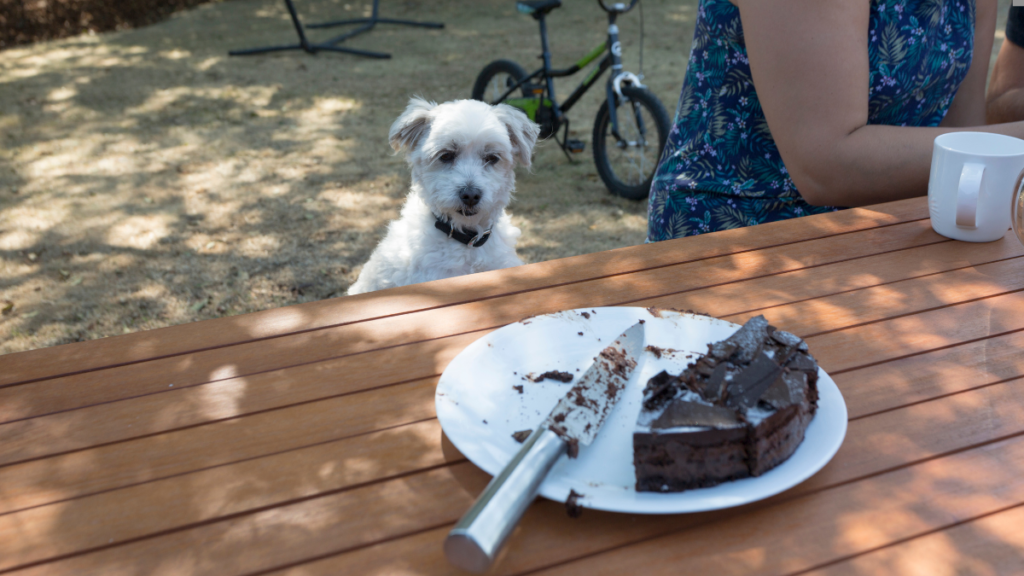
Every dog owner knows the feeling. You’re busy doing something, and your dog locks eyes with you. You pause, wondering what on earth your dog wants.
It happens during meals, while working from home, lounging on the couch, brushing your teeth—you name it. Your pup will find a way to hold eye contact with you.
You might feel almost offended at first. Darn it, they’re looking at me like a person!
But the truth is, dogs stare for many reasons. Dogs aren’t staring at you to mock or disrespect you. They’re staring because dogs communicate through body language—and staring is part of that language.
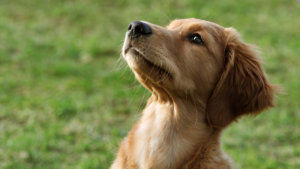
Why Do Dogs Stare at Humans?
In this article, we will cover:
-
Reasons dogs stare at humans
-
What staring means
-
When staring is normal and when to be concerned
-
How to react when your dog stares at you
Let’s dive into the reasons why your dog stares at you—and suddenly, everything will make sense.
Communication
Dogs are intelligent creatures. They’ve learned how to read humans over thousands of years of domestication.
Our furry friends watch our every move to learn our habits, routines, tone of voice, body language, and even facial expressions. Dogs love staring at humans because eye contact is extremely important to them.
While they observe you, dogs try to understand your intentions and what you want them to do. They stare to figure you out. But since staring replaces barking or pawing, why do they stare at you in particular?
When dogs stare at their humans, it can mean a dozen different things—curiosity, love, excitement, boredom, anxiety. Sometimes dogs just stare at nothing in particular.
Every dog has their own unique personality, so take context into account if you’re wondering, “Why does my dog stare at me?” Consider:
-
Where are you?
-
What’s happening around you?
-
What time of day is it?
-
What is your dog’s body language like while they’re staring?
Once you learn what your dog’s stare means, you’ll feel more connected to them than ever. Here are some of the most common reasons dogs stare at their humans.
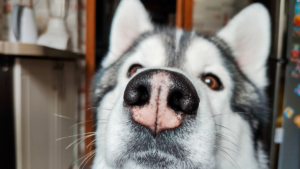
1. They Want Something From You
As obvious as it sounds, dogs love staring at humans to get what they want.
Canines are smart cookies. They quickly learn what their humans can provide. Food, walks, toys, affection, belly rubs, and trips to the backyard are all controlled by you.
If your dog learns that staring equals getting what they want, you can bet they’ll do it often.
Your dog could be staring because they want:
-
Food or treats
-
To go outside
-
To go for a walk
-
To play
-
Attention or cuddles
-
Help with a problem (a toy under the couch, a ball stuck too high)
Staring at the same times each day can mean they’re expecting something. Does your dog stare during mealtimes, right before outdoor trips, or whenever you’re eating? It’s likely a request.
Unlike humans, many dogs will choose staring over barking. They know silence works better when trying to get our attention.
2. They’re Waiting for Instructions
On the opposite end of the spectrum, some dogs stare because they want to do something.
Well-trained dogs and dogs with strong bonds to their owners often stare because they’re waiting for instruction.
Working dogs and herding breeds especially excel at this type of gaze. If you’ve ever done training with your pup, you know exactly what this looks like.
Dogs that stare in these situations typically have a loose, relaxed posture. They’re waiting for you to lead the way because they trust you to do so.
If your dog stares at you during walks, training sessions, new environments, or tricky situations, they may simply be thinking, “What’s next?”
3. They’re Trying to Understand You
Dogs study us.
They observe our every move to pick up on patterns that help them predict what comes next. If something is out of the ordinary, dogs will often stare at you to figure it out.
Have you ever reacted emotionally around your dog and suddenly noticed them staring intensely? That’s because they can tell you’re upset.
Dogs are excellent at reading facial expressions. Staring at your face helps them understand your mood and respond accordingly.
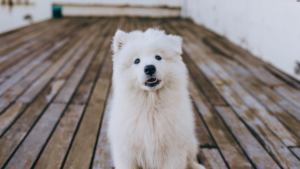
4. They Love You and Feel Connected
As oxytocin-inducing as puppies are, did you know that gentle eye contact with dogs increases oxytocin levels as well?
This bonding hormone is the same one released when humans look into their baby’s eyes.
If your dog is calm, lying down, or cuddled next to you while staring softly into your eyes, they’re bonding with you.
They love you and feel safe.
This reason is often overlooked when wondering, “Why does my dog stare at me?” Sometimes your dog simply wants closeness and affection.
5. They’re Anticipating What Comes Next
Routine is comforting to dogs. Not only do dogs learn daily schedules quickly, but they often know what you’re about to do before you do it.
For example, your dog knows the kitchen timer means dinner. They know grabbing your keys means you’re leaving.
If your dog stares at you regularly around the same time each day, they may be anticipating:
-
Mealtime
-
Walks
-
Bedtime
-
Your departure or arrival
-
Playtime or training
Much like watching for signs that you’ll fill their food bowl, your pup is mentally preparing for what comes next.
6. They’re Feeling Anxious or Unsure
Dog stares aren’t always positive. In some cases, your dog may stare at you because they’re worried or uncomfortable.
Staring can be a sign of stress if your dog also displays tense body language. Their posture may be stiff, ears pulled back, or tail tucked.
You may also notice lip licking, yawning, whining, or panting. These are all signs of stress in dogs.
Dogs may stare when they’re worried about:
-
Conflict between humans or dogs
-
Strangers
-
Loud noises
-
Emotional tension
-
Not understanding what you want
-
Trying to determine if a situation is safe
Staring won’t solve the problem, but your pup is looking to you for reassurance.
7. They’ve Learned Staring Gets Results
Behavior is reinforced when dogs learn what works.
If your dog has learned that staring results in food, petting, or attention, they’ll likely continue doing it.
For example:
-
You give treats when they stare while you’re eating
-
You pet them every time they lock eyes with you
-
You laugh or talk to them when they stare
To your dog, staring equals positive outcomes. They’re not manipulating you—they’ve simply learned that this behavior communicates their needs effectively.
8. Medical Reasons
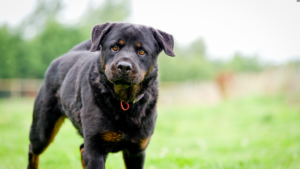
In senior dogs or dogs with cognitive issues, staring may be a symptom of a health condition.
Prolonged staring that seems disconnected from the environment or happens frequently may indicate:
-
Vision impairment
-
Cognitive dysfunction syndrome (canine dementia)
-
Neurological conditions
-
Pain or discomfort
If your dog’s staring behavior changes suddenly or seems unusual, consult your veterinarian.
When You Shouldn’t Worry About Your Dog Staring at You
In most cases, staring at their human isn’t a problem. Many dog owners grow used to it over time.
Still, it’s important to observe your dog’s body language and the context surrounding the behavior.
Normal Staring
-
Soft eyes
-
Relaxed body language
-
Happens during routine situations
-
Stops once the need is met
Staring Due to Anxiety or Fear
-
Stiff posture
-
Fixed, intense gaze
-
Growling, freezing, or stiffening
-
Occurs suddenly or out of context
-
Signs of confusion or disorientation
Remember: staring is only one part of your dog’s body language. On its own, it doesn’t tell the full story.
How to React When Your Dog Stares at You
How you respond depends on the situation.
If your dog wants something reasonable—like a potty break, walk, or meal—it’s okay to respond. If they want comfort or affection, give it freely.
However, if your dog constantly stares for attention, avoid reinforcing that behavior. Instead, reward calm behavior when they are not staring. Teaching alternative ways to get attention—like sitting politely or using a bell for potty breaks—can help.
When anxiety is involved, remain calm and predictable. Your dog relies on your leadership to feel safe.
Happy Staring!
Now you know why dogs stare at humans. You can even apply this understanding to questions like why your dog stares at you while you’re eating or when you’re on the phone—the possibilities are endless.
Dogs are incredibly skilled at nonverbal communication, and sometimes we don’t even realize they’re trying to tell us something.
Staring isn’t rude or aggressive like some believe. It’s communication—and part of your dog’s love language.
So the next time your pup locks eyes with you, ask yourself:
Why is my dog staring at me?
Once you find the answer, you’ll understand your dog just a little bit better.
Save pin for later

- Dog Nutrition Guide for Better Health and Energy - May 23, 2026
- How to Keep Your Cat Healthy and Active at Home - May 17, 2026
- Dog Health Tips for Indoor and Apartment Living - May 17, 2026