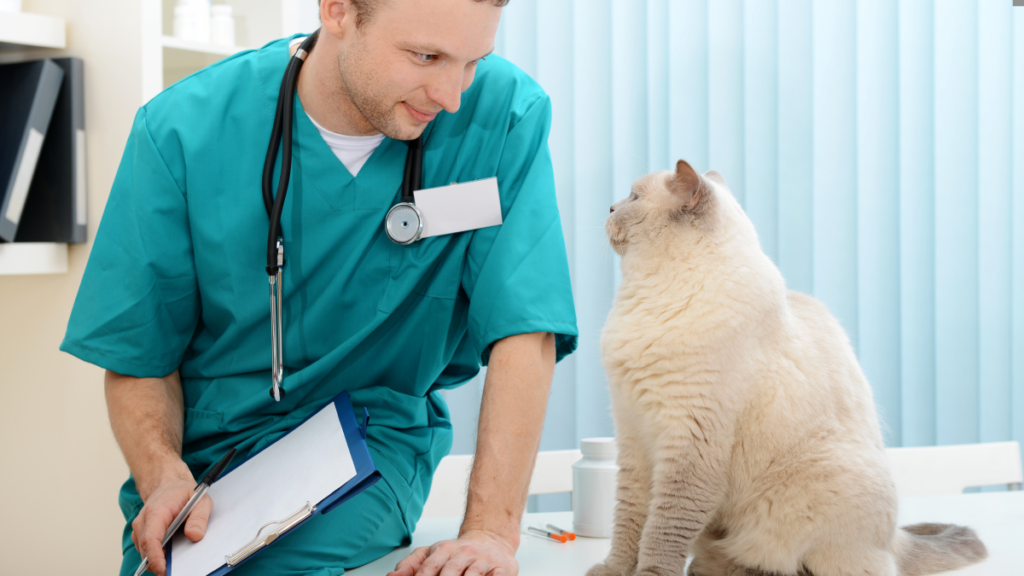
You bring your cat home from the vet after a checkup and think, “Wait… who is THIS, and what did you do to my cat?!”
Sound familiar? If you’ve ever experienced major attitude changes or strange behavior after taking your cat to the vet, you’re not alone. There are many reasons why cats act differently after vet visits, and none of them mean that something is wrong with your cat or that they no longer love you.
Understanding why cats act differently after vet visits can make a world of difference in how you react once you get home from the clinic. Most importantly, it helps you give your cat the space they need to recover from what can be a traumatizing experience: visiting the veterinarian.
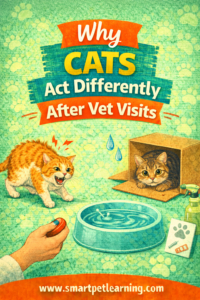
Why Cats Act Differently After Vet Visits: 9 Reasons Explained
Before we jump into specifics, let’s establish that cats perceive the world very differently than we do.
If you’ve ever wondered why your cat does—or doesn’t do—anything you ask, remember that their instincts, senses, and desire for stability dictate their behavior far more than any desire to please you. When something disrupts that balance, it can cause dramatic changes in behavior.
Because of this, many of the reasons why cats act differently after vet visits have to do with basic senses, emotions, and instincts getting scrambled during the ordeal.
Reason #1: Vet Visits Are Stressful
This is probably the most important takeaway from this entire discussion. When your cat starts acting differently after leaving the vet, most of the time it’s due to stress.
Cats are experts at masking their stress from their human caregivers. Even if you can’t see your cat feeling stressed, they almost certainly are.
Think of visiting the veterinarian as an intense surge of stress hormones for your cat. During their appointment, their body is flooded with cortisol and adrenaline. These stress hormones trigger the fight-or-flight response, making your cat more alert, tense, and reactive.
Cats Recover From Vet Visits in Their Own Time
Here’s the thing about stress hormones: they don’t instantly disappear the moment your cat walks through the front door. Your cat may appear calmer right away, but their body can still be processing stress hours—or even days—later. If bloodwork, injections, or uncomfortable exams were involved, it may take even longer for them to fully settle down.
Reason #2: An Overstimulated Sense of Smell
You know how you have a unique scent? Your cat does too—and their sense of smell is far more powerful than yours.
When your cat goes to the vet, they’re bombarded with overwhelming smells: medications, cleaning chemicals, other animals, fear pheromones, and stress hormones from countless patients.
On top of that, your cat won’t smell like themselves when they come home. To you and your other pets, your cat may smell like a stranger. To your cat, they may feel like something about them is “off.”
The good news? This usually resolves after your cat grooms themselves and reestablishes their natural scent.
Reason #3: Cats Hide to Feel Safe
Ever notice that your cat seems to wait until you aren’t around before they start feeling better? If your cat hides after a vet visit, let them. Do not disturb their safe space.
Cats instinctively hide when they’re stressed or hurt. Being in a quiet, secluded area with minimal sensory input helps them feel secure and process what happened.
Forcing your cat out of hiding after a vet visit often extends the stress instead of resolving it. Let your cat come out on their own terms.
Reason #4: Aggression Can Come From Fear
You may notice your cat acting unusually cranky or irritable after a vet visit. They might hiss when you try to pet them, or react defensively if you get too close.
This isn’t your cat being “mean.” They’re likely still in survival mode. Your cat doesn’t understand why they were poked, restrained, or handled, and they may associate touch with pain or threat—even if you weren’t the one giving the shots.
Reason #5: Sleeping More Than Normal
Many cats become more lethargic after a vet visit. You might notice them sleeping more than usual or seeming a little withdrawn.
Stress is exhausting. Just like humans feel drained after an emotionally intense day, cats need time to recover. Sleeping more can be completely normal.
However, if your cat is sleeping excessively and refusing food, that may be a sign that something isn’t right and should be checked by a veterinarian.
Reason #6: Changes in Appetite
It’s common for cats to eat less after a vet visit. Stress can suppress appetite, and medications or vaccines may cause mild nausea.
Try feeding your cat in a quiet area where they won’t feel pressured. Adding a bit of warm water to their food can enhance the smell and make it more appealing.
Reason #7: Trouble Socializing With Other Cats
In multi-cat households, vet visits can cause confusion and tension.
Your returning cat smells unfamiliar, and your other cats may react defensively. This can lead to hissing, avoidance, or even brief aggression.
In some cases, cats may need time apart until their scent normalizes again.
Reason #8: Why Does My Cat Avoid Me?
Some cats avoid their owners after vet visits. This doesn’t mean your cat is mad at you.
Cats form associations quickly. If you carried them to the carrier or drove them to the vet, they may temporarily associate you with stress. Given time and calm interactions, this association fades.
Reason #9: Why Are Cats So Moody After Vet Visits?
Stress affects cats both physically and emotionally. Your cat may be sore, overstimulated, or emotionally overwhelmed.
They may also be more sensitive to touch if they received injections or blood draws. Moodiness during recovery is normal.
How Long Do Cats Act Differently After Vet Visits?
Some cats bounce back within a day. Others may need several days—or up to a week—depending on their personality and what happened during the appointment.
Procedures involving pain or discomfort often lead to longer recovery periods.
How to Help Your Cat Recover After a Vet Visit
You can’t eliminate the stress of vet visits entirely, but you can make recovery easier.
Give Them Space
Provide a quiet, comfortable place where your cat can relax without interruption.
Reintroduce Cats Slowly
In multi-cat homes, monitor interactions and separate cats if needed until scents normalize.
Pay Attention
If your cat isn’t eating for more than 24–48 hours, appears to be in pain, or seems unusually unwell, contact your veterinarian.
Final Thoughts
Vet visits are overwhelming for cats. The unfamiliar smells, sounds, handling, and loss of control can leave them feeling unsettled long after they return home.
Most post-vet behavior changes are temporary and normal. With patience, understanding, and a little space, your cat will return to their usual self.
Think of their behavior as your cat’s way of saying, “That was a lot, and I need some time.”
Save pin for later

- Dog Nutrition Guide for Better Health and Energy - May 23, 2026
- How to Keep Your Cat Healthy and Active at Home - May 17, 2026
- Dog Health Tips for Indoor and Apartment Living - May 17, 2026