
Does life with your cat feel more like a battleground than a cuddle fest? Scratching posts redecorating the walls. Painful bites during playtime. Missed litter boxes. Stress-related habits you just can’t seem to stop. If this sounds familiar, you’re not alone.
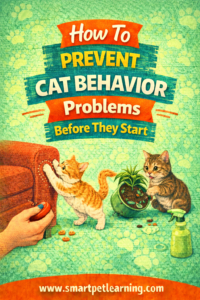
The bright side is that behavior problems aren’t mysterious or inevitable. How To Prevent Cat Behavior Problems Before They Start is actually pretty straightforward. It simply requires understanding how cats perceive their world, what they need to feel secure, and how the decisions you make early on can influence their behavior for life.
YOUR CAT’S BRAIN: The Key to Preventing Behavior Problems
Before diving into expert tips, it’s important to understand why your cat does what they do. Cat behavior isn’t random or purposeless. Everything your cat does is an attempt to fulfill an emotional need, communicate, relieve stress, or express instinctual hunting behavior.
If your cat is scratching the couch, avoiding the litter box, biting during play, or hiding constantly, they likely:
-
Have a natural instinct that needs to be met in a healthier way
-
Feel their environment or schedule is unpredictable or unsafe
-
Don’t understand what you want them to do
-
Are overwhelmed and unable to manage stress effectively
Behavior problems don’t happen overnight. They slowly emerge from a buildup of stress or repeated exposure to situations that don’t align with a cat’s natural instincts.
Understanding your cat’s behavior is the first step to prevention. Once a behavior becomes routine, it becomes harder to change—not because cats are defiant, but because repetition strengthens neural pathways, making the behavior more automatic. The sooner you guide your cat toward healthier choices, the more confident and relaxed they’ll become.
Begin With the Right Mindset: Cats Are Not Dogs
It’s easy to watch dogs seemingly obey their humans and expect the same from your cat. But cats aren’t mini dogs.
Cats:
-
Need to feel in control of their space
-
Depend on routine to feel secure
-
Communicate through subtle body language
-
Experience stress when forced into interaction
When you invade their space, rush them, or punish behaviors, your cat will respond. That response may look like hiding when you get home, ignoring you, acting aggressively, or developing litter box issues. Cats push back when they feel pressured or misunderstood.
The foundation for preventing unwanted behavior starts with empathy and respect for your cat’s individuality and autonomy.
Create a Stress-Free Environment From Day One
Reduce stress, and you’ll reduce most behavior problems.
Give Them Vertical Space
Cats feel safest when they can observe their surroundings from above. Cat trees, shelves, and window perches allow cats to monitor their environment while avoiding perceived threats. Vertical space also dramatically reduces tension in multi-pet households.
Establish Safe Spaces
Every cat needs a sanctuary—a place they can retreat to when they want to be alone. This isn’t a punishment area; it’s where your cat should feel safest. Without access to a secure retreat, cats can become chronically stressed, which often shows up as behavior problems.
Provide a Quiet, Predictable Life
Loud TVs, frequent visitors, hectic schedules, and excessive handling can overwhelm cats. Contrary to popular belief, cats don’t need complete silence—but they do crave consistency. Predictability helps your cat feel safe.
A safe cat is a well-behaved cat.
Set the Routine Early
While some cats adapt to change better than others, all cats thrive on predictability. When your cat knows what’s coming next, anxiety decreases and unwanted behaviors are less likely to appear.
Important routines to establish early include:
-
Feeding times
-
Play sessions
-
Litter box cleaning
-
Bedtime routines
Inconsistent routines often lead to excessive vocalization, knocking items over, clinginess, or destructive behavior. Cats crave consistency more than most people realize.
This may be the most overlooked aspect of How To Prevent Cat Behavior Problems Before They Start.
Use Play to Meet Instinctual Needs
Scratching furniture, chewing cords, biting ankles, and late-night zoomies aren’t personal—they’re expressions of unmet predatory instincts.
How you meet those needs early determines how they show up later.
Provide Daily Interactive Play
Wand toys, chase toys, and puzzle feeders allow cats to engage their hunting instincts. Keep sessions short and satisfying, ending with a “catch” followed by a favorite treat.
Don’t Play With Your Hands
Teaching a kitten to bite hands during play may seem harmless, but that behavior will continue as they grow. Hands should never be toys.
Playtime isn’t optional entertainment—it’s essential mental and physical exercise.
Start Good Litter Box Habits Early
Litter box problems aren’t instinctual—they’re preventable.
Rule #1: Follow the “plus one” rule.
One litter box per cat, plus one extra.
Additional essentials:
-
Scoop daily
-
Place boxes in low-traffic areas
-
Avoid strong fragrances
-
Don’t frequently change litter types
If the box is inconvenient or unpleasant for you, it will be for your cat too. Early positive experiences set the tone for long-term success.
Teach Boundaries Without Punishment
Punishment never teaches your cat what to do—only what to fear.
Your cat will either fear you or fear being caught. Fear leads to anxiety, and anxiety leads to more behavior problems.
Instead:
-
Redirect unwanted behavior to appropriate outlets
-
Reward calm, desirable behaviors
-
Remove your cat from situations rather than yelling or spraying
Allow Your Cat to Socialize at Their Own Pace
Socialization shapes how your cat responds to people, animals, and change.
Kittens Should Be Gently Exposed To:
-
Different people
-
New sights and sounds
-
Gentle handling
-
Carrier training
-
Vet visits
Adult Cats Need Patience
Cats adopted from shelters or with past trauma may require extra time. Forced interaction often results in fear-based aggression or hiding. Slow, steady introductions are key.
Stop Stress Before It Leads to Behavior Problems
Stress sits at the root of most cat behavior issues.
Common stressors include:
-
New pets
-
Moving homes
-
Schedule changes
-
Illness or pain
-
Tension between animals
Early warning signs include:
-
Hiding
-
Loss of appetite
-
Over-grooming
-
Increased vocalization
Recognizing these signs early allows you to intervene before stress turns into habit-based behavior problems. This is another core element of How To Prevent Cat Behavior Problems Before They Start.
Behavior Problems Can Signal Medical Issues
Excessive meowing, litter box avoidance, aggression, or sudden changes in behavior should always prompt a veterinary check.
Pain and discomfort often appear as “bad behavior.” Regular checkups help catch issues early and prevent long-term problems.
Healthy cats behave better.
Reward Calm Behavior
Cats repeat behaviors that work.
If knocking objects off counters gets attention, that behavior will continue. But when calm behavior is rewarded, it becomes the new habit.
Use:
-
Treats
-
Gentle affection
-
Playtime
-
Environmental enrichment
This is positive reinforcement—not bribery.
Preventing Behavior Problems in Multi-Cat Homes
Tension between cats usually builds gradually.
Prevent conflict by:
-
Introducing cats slowly
-
Providing multiple food, water, and litter stations
-
Offering plenty of vertical space
-
Never forcing interactions
Cats don’t need to love each other—but they do need to feel safe.
Consistency = Happy Cats
There’s no magic toy, treat, or technique that instantly fixes everything.
How To Prevent Cat Behavior Problems Before They Start is a lifestyle. When you consistently:
-
Respect boundaries
-
Provide enrichment
-
Maintain predictable routines
-
Reduce stress
-
Meet instinctual needs
You create a cat who feels secure—and secure cats behave better.
They’ll let you know when they’re happy, too.
Conclusion
Preventing behavior problems in cats is an act of love. When you focus on proactive care instead of reactive correction, you build trust, confidence, and long-term harmony.
And you’ll enjoy a lot less stressed meowing along the way.
Save pin for later

- Dog Nutrition Guide for Better Health and Energy - May 23, 2026
- How to Keep Your Cat Healthy and Active at Home - May 17, 2026
- Dog Health Tips for Indoor and Apartment Living - May 17, 2026