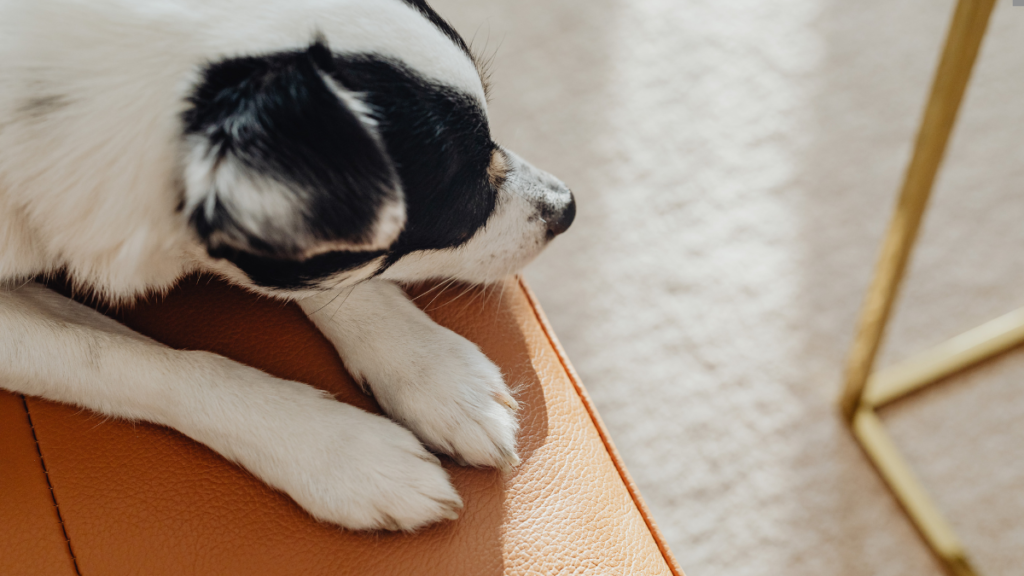
Dogs can’t look into our eyes and tell us they are scared, worried, or emotionally uncomfortable—but they can show us. Unfortunately, dogs’ warning signals are often mistaken for stubbornness, disobedience, or “bad behavior.”
Your dog isn’t acting stubborn, your dog doesn’t understand what you want, and your dog is not being “bad” on purpose. These 5 Behaviors Mean Your Dog Doesn’t Feel Safe. If you catch your dog exhibiting one of these behaviors early enough, you can teach them that they have nothing to fear. Catch them later, and you are likely to reinforce that scary feeling instead.
What Does It Mean When a Dog Doesn’t Feel Safe?
Safety isn’t just about having a place to sleep, plenty of food, and veterinary care. Dogs feel unsafe when they don’t know what to expect from their environment, their family, or other dogs.
Safety for your dog means predictable routines, clear communication, respectful boundaries, and knowing their signals will be listened to.
When dogs don’t feel safe, they physiologically enter survival mode. Stress hormones flood their bodies, logical thinking shuts down, and they rely entirely on instinct to protect themselves.
Humans often believe dogs consciously decide to act a certain way toward us—but that’s far from the truth. Behaviors rooted in fear are automatic biological responses shaped by learning and past experiences.
Let’s take a closer look at These 5 Behaviors Mean Your Dog Doesn’t Feel Safe.
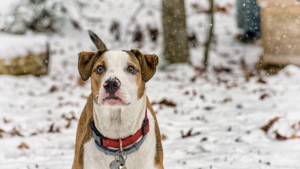
1. Freezing, Cowering, or Trying to Become Invisible
One of the most obvious signs that your dog doesn’t feel safe is freezing or trying to physically become smaller. Dogs exhibit this behavior all the time, yet it’s one of the most overlooked warning signs.
Signs your dog may be trying to disappear:
-
Lowering their body toward the ground
-
Tail tucked tightly
-
Ears pulled back flat against their head
-
Avoiding eye contact
-
Becoming very still when you approach
Freezing isn’t the same as being calm. Dogs freeze when they are scared and hope that by not moving, the threat will go away. It’s a form of self-preservation.
People often confuse the freeze response with good behavior. The dog appears submissive, so they assume everything is fine. But internally, the dog is panicked. Apply enough pressure, and the dog may resort to growling or snapping.
Freezing often happens when:
-
You force interaction (touching, hugging, grooming, etc.)
-
Your dog feels overwhelmed by loud noises or chaos
-
An unfamiliar person or dog approaches
-
Your dog feels trapped
If you see your dog trying to disappear, the best thing you can do is back off. Create space, slow your movements, and allow your dog to move away if they choose.
2. Barking, Growling, or Lunging
Behavior that many people associate with dominance or aggression is often rooted in fear. Most dogs who bark, growl, or lunge aren’t trying to control anyone—they want distance.
Barking and growling are your dog’s way of saying, “Back off.” Lunging often happens when they believe their warning won’t be respected.
You’ll often see this behavior when:
-
Someone approaches your dog on walks
-
Another dog invades their space
-
Someone enters your home
-
You try to pet or groom them against their will
Punishing your dog for growling, barking, or lunging is dangerous because it removes their ability to communicate. A dog punished for growling may stop warning altogether—while still feeling threatened. That’s how bites happen without warning.
Aggression often develops when a dog feels they have no other option.
Ways to help your dog move away from aggression:
-
Give your dog space from triggers
-
Stop forcing interactions
-
Teach incompatible behaviors
-
Counter-condition scary situations
3. Hiding, Avoidance, or Trying to Escape
If your dog does everything they can to get away from you, a situation, or an object, they are likely scared or intimidated.
Dogs may:
-
Hide behind furniture
-
Run away when called
-
Avoid certain rooms, objects, or people
-
Refuse to go outside or on walks
Avoidance means your dog wants nothing to do with what’s causing stress. Dogs repeat behaviors that work—if avoidance makes them feel better, they’ll use it again whenever they feel unsure.
Avoidance behavior often develops from:
-
Past trauma or abuse
-
Exposure to harsh training methods
-
Never feeling safe approaching their guardian
Forcing your dog out from under the bed will only increase fear. Your dog needs to know that retreating is allowed and respected.
Safety and confidence grow when dogs know they have control over their choices.
4. Unexplained Changes in Behavior or Personality
Was your dog once friendly but now seems fearful, aloof, or reactive? Something is likely making them feel stressed or unsafe.
Behavior changes may include:
-
Becoming suddenly clingy or distant
-
Losing interest in activities they once loved
-
Increased aggression or irritability
-
Refusing food
-
Heightened reactivity
These changes often follow:
-
Moving to a new home
-
Adding a new pet or baby
-
Major routine changes
-
A frightening experience
Dogs thrive on consistency. When their routine changes abruptly, their sense of safety can disappear.

5. Destructive Behavior or Compulsive Actions
When dogs feel unsafe, they may chew furniture, dig, pace, lick themselves excessively, or repeat behaviors compulsively.
This can include:
-
Destroying blankets, pillows, or furniture
-
Excessive licking of paws or tail
-
Pacing back and forth
-
Digging at doors, floors, or fences
These behaviors help your dog release built-up stress and anxiety. They aren’t acts of defiance—they’re coping mechanisms.
Why Does Your Dog Feel Unsafe?
Understanding the cause of fear helps prevent these behaviors from developing or worsening.
Common causes include:
-
Lack of early socialization
-
Past traumatic experiences
-
Harsh training methods
-
Unpredictable environments
-
Pain or medical issues
Dogs don’t need a perfect life. They need clarity, consistency, and reassurance.
Dogs struggle with:
-
Mixed signals
-
Constant pressure
-
Forced affection
-
Being yelled at

How to Help Your Dog Feel Safe
Helping your dog feel safe isn’t about demanding behavior change—it’s about rebuilding trust.
Start by:
-
Establishing predictable routines
-
Allowing avoidance of uncomfortable situations
-
Using positive reinforcement training
-
Letting your dog approach you voluntarily
Every dog should have at least one quiet space where they can escape noise and people.
Pay attention to your dog’s signals. The better you know your dog, the easier it becomes to prevent fear from escalating.
Helping your dog feel safe takes time, but patience pays off. Dogs who feel safe are calmer, happier, and more strongly bonded to their family.
Why Should You Care If Your Dog Feels Safe?
Fear behaviors don’t disappear on their own. Dogs can’t think their way out of fear—it’s instinctual, not logical.
Many people don’t realize that These 5 Behaviors Mean Your Dog Doesn’t Feel Safe. They assume their dog is ignoring commands or being stubborn.
Dogs who feel safe don’t need to constantly defend themselves. They don’t hide, bark excessively, or shut down. They relax and enjoy life.
Conclusion
Your dog’s behavior is communication. When you notice these behaviors, your dog isn’t misbehaving—they’re asking for help.
Helping your dog early prevents frustration later. Safety is the foundation of your relationship. Without it, trust erodes.
When your dog feels safe, training becomes easier, bonding deepens, and everyday life feels calmer. Your role as a pet parent isn’t to control your dog—it’s to help them feel safe.
Save pin for later

- Dog Nutrition Guide for Better Health and Energy - May 23, 2026
- How to Keep Your Cat Healthy and Active at Home - May 17, 2026
- Dog Health Tips for Indoor and Apartment Living - May 17, 2026