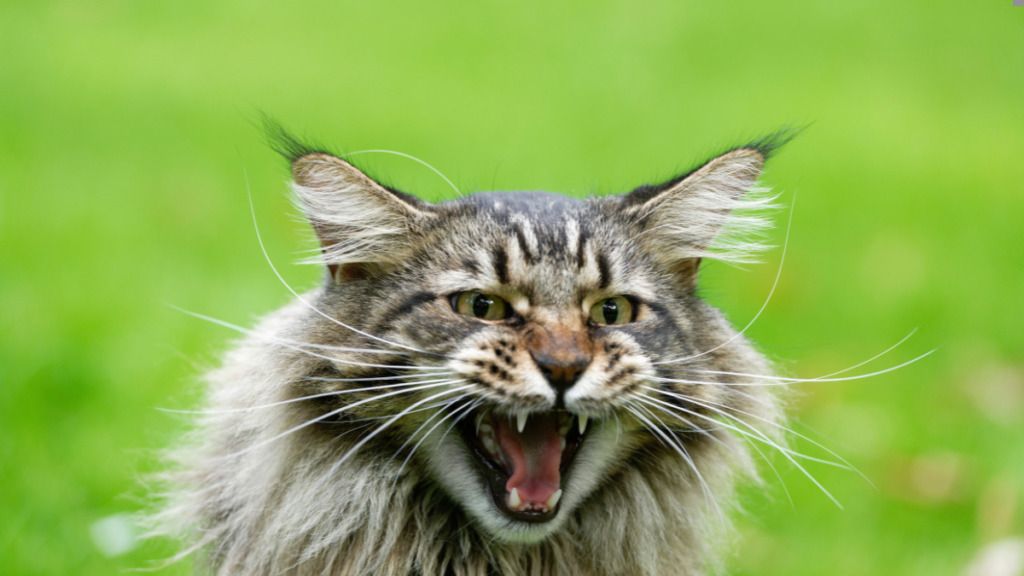
Has your cat ever growled or hissed at you while you were relaxing at home? If so, it’s easy to feel confused, annoyed, or even hurt. This is your cat’s safe place—they should love being around you here more than anywhere else. So why would they suddenly act like they want to run away, or worse, attack you?
Learning why cats growl or hiss at home can improve your relationship with your cat, help prevent stress-related behavior problems from developing, and keep your kitty feeling safe in their own territory. Growling and hissing aren’t signs of a “bad cat.” They are natural responses driven by fear, instinct, and the need for self-preservation.
Growling and Hissing Mean Your Cat Wants to Avoid Conflict
First things first: it’s important to understand what your cat is trying to say when they growl or hiss.
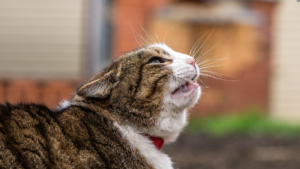
Cats communicate subtly. They rely primarily on body language, scent, and behavior. While cats do vocalize for various reasons, growling and hissing are considered last-warning signals. When your cat hisses or growls, they are telling you four simple things:
-
“I’m scared.”
-
“I don’t feel safe.”
-
“Please leave me alone.”
-
“I will defend myself if I have to.”
In nature, a well-timed hiss can scare off predators or rivals without turning physical. At home, cats use this same instinctive behavior whenever they feel threatened—even if the threat doesn’t make sense to you.
Keep this in mind when thinking about why cats growl or hiss at home. It isn’t about spite or aggression. Your cat would much rather avoid conflict altogether.
10 Reasons Cats Growl or Hiss Indoors
Fear
Fear is the most common cause of growling or hissing in cats. While we’ve already touched on this, it’s worth emphasizing. Cats can be frightened by things that seem very small or insignificant to humans.
Common Fear Triggers You May Not Have Considered
-
Quick movements
-
Loud noises (dropping objects, shouting, vacuum cleaners, or even sudden laughter)
-
Strange people entering your home (and yes, sometimes even familiar people)
-
Animals outside the window
-
Other pets in the house, especially around food
-
Feeling trapped
-
Touching a painful area
Let’s look more closely at some of these triggers.
Sudden Movements or Loud Noises
This is a big one for cats. What feels like normal movement to you may seem abrupt or threatening to them. Standing up too quickly from the couch, for example, can startle a cat that was asleep nearby.
Noise-sensitive cats may react to everything from the washing machine to dishes clinking in the sink. For these cats, everyday household sounds can feel overwhelming.
Strangers in Your Home
Visitors, repair workers, and delivery people can all cause stress—especially if your cat wasn’t well socialized as a kitten.
The same applies when introducing a new pet into a home where your cat has lived for years. Cats are highly territorial, and even friendly animals can feel like a serious threat.
Feeling Trapped
Cats need an escape route to feel safe. If your cat is on a small surface with nowhere to retreat—like a couch, bed, or towel—and you attempt to pick them up or pet them, they may hiss or growl as a warning.
This behavior isn’t personal. It’s a survival response.
Touching a Painful Area
Aggression should never be ignored, but it should also never be dismissed. If your cat suddenly growls or hisses when you pick them up, brush them, or touch a specific area, pain should always be considered.
Possible Causes of Pain-Related Growling or Hissing
-
Arthritis or joint pain
-
Dental issues
-
Ear injuries or infections
-
Urinary discomfort
-
Digestive upset
-
Internal injuries
-
Skin issues or allergies
If your cat’s behavior changes suddenly, a veterinary visit is essential to rule out medical causes.
Other People or Pets Invading Their Space
Cats are protective of their resources. This includes:
-
Food bowls
-
Bedding
-
Toys
-
Litter boxes
Territorial stress often shows up as growling, hissing, swatting, or biting. Even subtle changes—such as another pet drinking from their water bowl or someone sitting in their favorite sleeping spot—can trigger defensive behavior.
And yes, moving the litter box almost always causes problems.
Routine Changes and Emotional Stress
Cats thrive on consistency. They notice patterns in feeding times, play sessions, and your daily schedule. When that routine changes, stress can quietly build.
Common Sources of Stress
-
Moving to a new home
-
Changes to feeding, play, or cleaning schedules
-
New babies, pets, or household members
-
New smells from outdoors (construction, animals, etc.)
-
Conflicts with other pets
Stress doesn’t always look dramatic. Sometimes it shows up as subtle aggression or vocal warnings.
Redirected Aggression
Redirected aggression is one of the most misunderstood reasons cats growl or hiss at people they love.
This happens when your cat becomes overstimulated or upset by something they can’t reach—then lashes out at whoever is nearby.
Examples of Redirected Aggression
-
Seeing another cat through the window
-
Hearing animals outside
-
Smelling unfamiliar animals
-
Being interrupted during intense play
Children are especially vulnerable to redirected aggression because they’re often closest to the cat when emotions peak.
Overstimulation
Cats enjoy affection—but only up to a point. When that threshold is crossed, overstimulation occurs.
Signs of Overstimulation
-
Tail flicking
-
Pinned-back ears
-
Skin rippling
-
Sudden stiffness
-
Growling or yowling
If you notice these signs, stop interacting immediately. Walk away calmly and give your cat space to decompress.
Past Trauma
Cats that have experienced abuse, neglect, or instability may struggle to trust humans.
These cats may react defensively to:
-
Hands approaching too quickly
-
Being picked up
-
Loud or extreme tones of voice
-
Rapid movements
Building trust with a traumatized cat can take months or even years. Punishment only reinforces fear.
Why You Should Never Yell at Your Cat for Growling
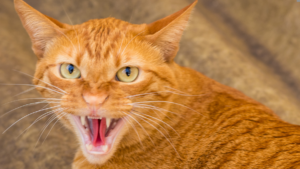
Growling and hissing may feel scary, but they are warning signals—not acts of defiance. When you yell at a cat for growling, two damaging things happen:
-
Your cat learns that warning signals are unsafe.
-
You lose the opportunity to identify what caused the fear.
Over time, your cat may skip the warning entirely and resort to biting or scratching instead.
How to Respond When Your Cat Growls or Hisses
Yes—you should respond, but calmly and intentionally.
DO:
-
Stop what you’re doing
-
Back away and give space
-
Stay calm
-
Observe what triggered the reaction
DON’T:
-
Yell or scold
-
Force interaction
-
Stare
-
Chase your cat
Your response teaches your cat whether communication works. When you listen, fear decreases. When you react poorly, aggression escalates.
Conclusion
Occasional hissing can be normal. Repeated or escalating aggression is not.
Consult a veterinarian if:
-
Aggression appears suddenly
-
You suspect injury or illness
-
Other symptoms appear alongside behavior changes
-
Aggression worsens over time
Veterinarians can rule out pain or disease, while animal behaviorists can help identify triggers and create a plan for a calmer home.
Save pin for later

- Dog Nutrition Guide for Better Health and Energy - May 23, 2026
- How to Keep Your Cat Healthy and Active at Home - May 17, 2026
- Dog Health Tips for Indoor and Apartment Living - May 17, 2026