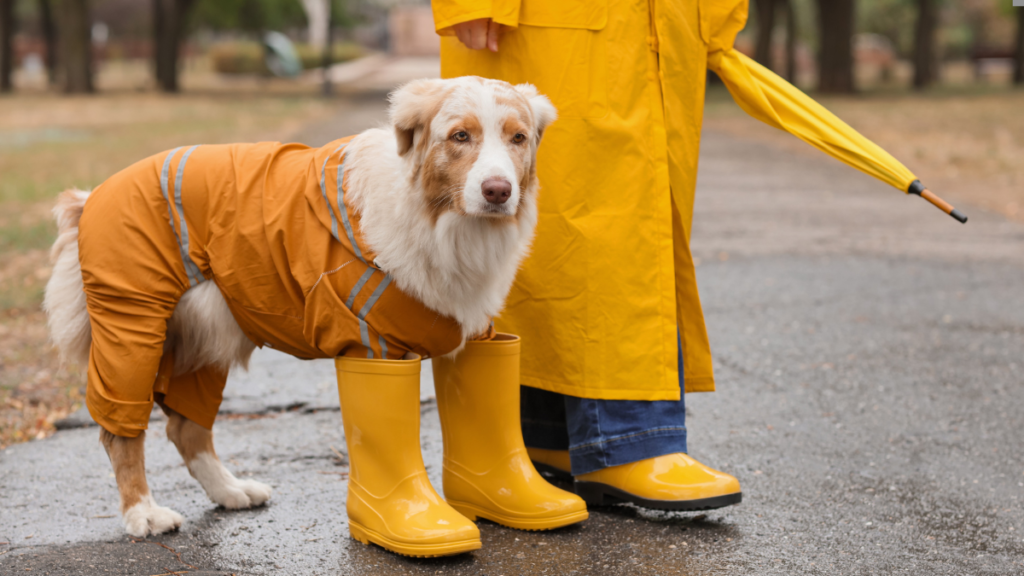
It’s awful to see your dog afraid. During a storm, all they want is for it to stop—and for you to comfort them. Loud noises, bright flashes, and static can frighten anyone.The shaking. The pacing. The hiding. The attempts to break through windows just to escape it all. If you’ve ever asked yourself how to help dogs stay calm during thunderstorms, you’re not alone—and you’re definitely not failing as a pet parent.
Fear of storms is one of the most common anxieties seen in dogs. Even dogs that normally display confidence and relaxation can react badly to severe weather.In fact, if you’ve noticed your dog trembling during a storm, there’s a good chance they’re terrified. But that doesn’t mean there’s nothing you can do to help.
Why Dogs Are Afraid of Thunderstorms
Imagine how thunderstorms seem to your dog.
Unlike humans, dogs experience storms differently due to their heightened senses. Loud thunder can be startling and overwhelming. Bright flashes of lightning may confuse or frighten dogs who don’t understand what’s happening. Dogs can even sense a storm approaching through changes in air pressure.
Dogs may also feel the buildup of static electricity in their fur before a storm hits. This tingling sensation can be uncomfortable—or even painful—until it passes.
Some dogs associate thunderstorms with traumatic past experiences. Being left alone during a frightening storm or exposed to loud fireworks without comfort can create lasting fear responses linked to bad weather.
It’s also important to know that dogs don’t simply outgrow storm anxiety. Without proper training and intervention, fear of storms can actually worsen as your dog gets older.
Signs Your Dog Has Thunderstorm Anxiety
Every dog reacts differently to storms. While some signs are obvious, others can be subtle and easy to miss.
Look for symptoms such as:
-
Trembling or shaking
-
Panting
-
Pacing or restlessness
-
Whining, barking, or howling
-
Hiding
-
Clinging to their owner
-
Excessive drooling or licking
-
Loss of appetite
-
Attempts to escape
While some dogs hide during thunderstorms, others may destroy furniture or injure themselves trying to escape. Dogs with severe storm anxiety can seriously hurt themselves if left unsupported.
If your dog exhibits extreme signs of fear, take extra precautions to ensure their safety during storms.
Thunderstorm Anxiety Tips You Should Avoid
Many pet parents mistakenly punish their dogs or try to force them to “get over” their fears. This approach rarely works and often makes anxiety worse.
Do not:
-
Scold your dog for being afraid
-
Force them to face the storm
-
Trap them in a space where they feel unsafe
-
Ignore serious distress
It’s important to stay calm and reassure your dog that they’re safe. Never punish fear—it isn’t something your dog can control. Sending them away to “calm down” may actually reinforce the idea that storms are dangerous.
Creating a Safe Space for Your Dog
During a storm, one of the best things you can do is provide your dog with a safe, comforting space.
This might include:
-
An interior closet with no windows
-
A covered crate with familiar blankets
-
A bathroom or laundry room
Allow your dog to choose where they feel safest. Enclosed spaces may feel comforting to one dog and overwhelming to another. Add toys, blankets, and items with your scent to help them relax.
If your dog is crate-trained, never force them inside during a storm. A crate should feel like a refuge—not a trap.
Distract Them With Sound
Part of your dog’s fear may come from the intensity of thunder itself.
Try masking the noise by:
-
Playing soft classical music
-
Using white noise
-
Turning on a fan or air purifier
-
Playing the television
Background noise helps soften the sharp contrast of thunder without overwhelming your dog. Over time, your pup may associate these calming sounds with safety during storms.

Be Calm and Matter-of-Fact
This tip may be easier said than done, but dogs are incredibly sensitive to human emotions. If you appear stressed or anxious, your dog will likely feel the same.
Continue your normal routine during thunderstorms. Speak in a calm, steady voice. Avoid yelling or panicking. If your dog seems worried, act as though everything is under control.
Your calm presence reassures your dog more than words ever could.
Let Your Dog Snuggle With You
If your dog wants to cuddle during a storm, let them.
As long as you remain calm, physical closeness can help regulate your dog’s nervous system. Use slow, gentle strokes rather than frantic petting.
You may also consider pressure therapy shirts or wraps. These snug garments provide constant, gentle pressure that can comfort dogs much like swaddling comforts newborn babies.
Exercise and Mentally Stimulate Your Dog
A tired dog is often a calmer dog. If bad weather is expected, try:
-
Taking your dog on an extra-long walk
-
Playing games together
-
Practicing training exercises
-
Offering puzzle toys or scent games
Physical activity and mental stimulation help release pent-up energy before the storm begins. This simple step is often overlooked but can make a significant difference.

Try Desensitizing Your Dog to Storms
Desensitization takes time and patience, but it can be highly effective.
Start by playing thunder recordings at a very low volume. Pair the sound with positive experiences like treats, toys, or affection. Gradually increase the volume as your dog becomes more comfortable.
With consistency, your dog may begin to associate thunder with good things rather than fear. If anxiety is severe, consider working with a professional trainer or veterinary behaviorist.
Consider Natural Dog Calming Supplements
Some pet parents turn to natural calming aids for extra support. Options include:
-
Dog calming supplements
-
Calming collars
-
Calming treats or chews
These remedies don’t work for every dog and aren’t instant fixes. However, they can provide additional support when combined with other strategies.
Always consult your veterinarian before introducing supplements, especially if your dog is already on medication.
When to Consult Your Veterinarian
If your dog’s storm anxiety is severe or worsening, it’s time to seek professional help.
Prescription anxiety medication can significantly improve your dog’s quality of life. There’s no shame in using medical support—sometimes it’s the key to helping your dog learn coping skills without overwhelming fear.
Medication is often most effective when combined with behavioral strategies.

Final Thoughts
Just like people, no two dogs respond to storms the same way. Some dogs improve quickly with a few simple changes, while others need a layered approach.
The most important thing you can do is take your dog’s fear seriously. With patience, consistency, and compassion, you can help your dog feel safer during storms.
There may not be a one-size-fits-all solution—but that doesn’t mean progress isn’t possible.
Do you have a tip we didn’t mention? Let us know in the comments below.
Save pin for later

- Dog Nutrition Guide for Better Health and Energy - May 23, 2026
- How to Keep Your Cat Healthy and Active at Home - May 17, 2026
- Dog Health Tips for Indoor and Apartment Living - May 17, 2026