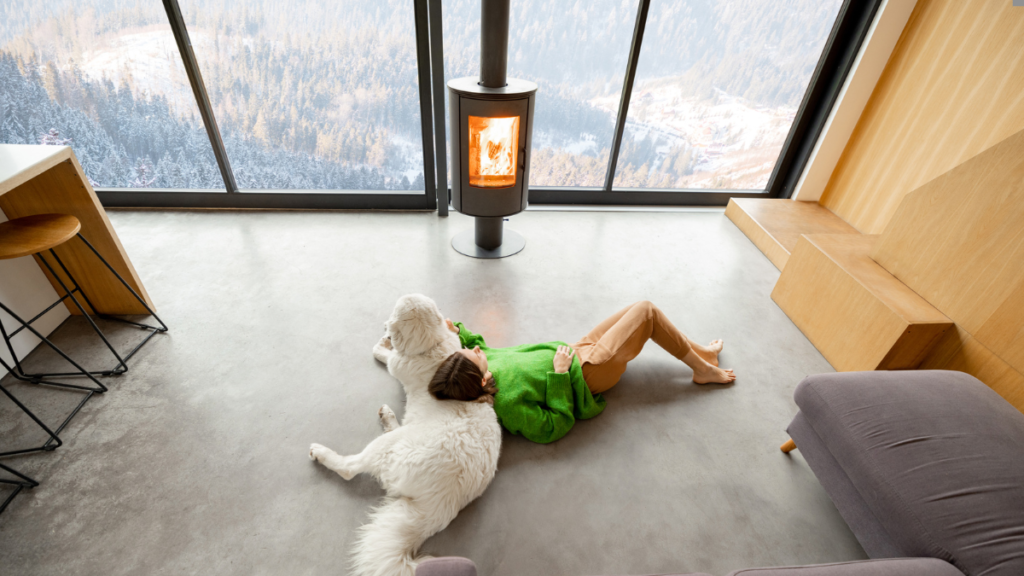
Dog zoomies indoors can send your house into chaos. One second, your dog is calmly hanging out on the couch. The next thing you know, they’re dashing wildly around the house at top speed—jumping over tables, sliding across floors, and yelping happily like a cartoon canine.
If you’ve ever witnessed dog zoomies indoors, you know how amusing (and occasionally frustrating) they can be. But what indoor dog zoomies really mean can tell you a lot about your pup.
Dog zoomies are totally normal. But the reasons your dog gets zoomies indoors reveal important clues about their mental and emotional health.

What Are Dog Zoomies Indoors?
Dog zoomies indoors are also called frenetic random activity periods (FRAPs).
FRAPs are sudden bursts of energy where your dog runs and plays wildly. They can’t control themselves. They just run.
Your dog may:
-
Run in circles
-
Dash from room to room
-
Slide across the floor
-
Bark or growl excitedly
-
Leap at imaginary foes
-
Spin repeatedly
FRAPs usually last only 30 seconds to a minute. Once they reach their peak, dogs instantly stop and relax. Perhaps they’ll plop down happily.
Or calmly return to what they were doing before.
Dog zoomies aren’t bad behavior. They’re an overflow of energy.
Why Do Dogs Get Zoomies Indoors?
Dogs get zoomies indoors whenever they experience a sudden rush of energy. That energy has to go somewhere. Sometimes, it surfaces as zoomies.
Indoor dog zoomies aren’t bad behavior. They’re stress relief.
Causes of dog zoomies indoors include:
-
Wanting to move around
-
Overflowing emotions
-
Joy and excitement
-
Stress relief
-
Release of mental energy
-
Natural canine instincts
Most dog zoomies happen because your dog feels fantastic.
You know those adorable happiness emojis with dog tongues lolling out? Yeah. That’s your dog.
Although zoomies can happen anywhere, indoors they’re usually uncontrollable. This is why dogs get zoomies indoors instead of outside:
-
No speed bumps
-
Limited space = more running
-
Less chance for your dog to hurt themselves running indoors
Typical Causes & Set-Ups for Dog Zoomies
Zoomies typically happen when your dog has excess:
-
Energy
-
Excitement
-
Physical tension
-
Stress
-
Joy
-
Playfulness
You know those happy-dance human emojis? Yeah. That dog.
Outdoor dog zoomies can be safely channeled into walking, hikes, and active play.
Indoor dog zoomies happen because your dog has no other option. They just have to burn that joyful energy now.
Below are the most common reasons your dog gets zoomies indoors:
Wanting to Move
If your dog hasn’t moved around enough, they’ll naturally build up energy.
That energy demands release.
When your dog gets pent-up energy indoors, zoomies provide relief.
Think of them as your dog’s version of going for a run.
High-energy dog breeds are especially prone to zoomies:
-
Border Collies
-
Australian Shepherds
-
Jack Russell Terriers
-
Huskies
-
German Shepherds
Toy breeds less likely to zoom:
-
Bulldogs
-
Shih Tzus
-
Basset Hounds
-
Great Danes
A lot of zoomies typically mean your dog needs more exercise.
Emotional Release
Zoomies happen any time your dog experiences intense emotions:
-
Joy
-
Excitement
-
Relief
Your dog feels these emotions more intensely than we do. When that excitement bubbles over, zoomies are the result.
Most dog zoomies come from positive emotion. They’re part of how dogs process strong feelings.
Dogs get zoomies indoors right after you:
-
Come home
-
Give them treats
-
Play fetch
-
Feed them dinner
-
Put their crate away
Happy dogs = zoomies.
Stress Release
Zoomies sometimes follow intense stress.
Dogs get zoomies after:
-
Visiting the veterinarian
-
Being in a crate for a long time
-
Going on car rides
-
Having bath time
Fear and stress energize your dog similarly to joy. Your dog shakes off the negative energy with zoomies.
Natural Instinct
In the wild, dogs and wolves frequently engage in intense bursts of play and mock hunting. These zoomie-esque bouts of energy are instinctual.
Domestic dogs have inherited that prey drive. So zoomies are normal canine behavior your dog is programmed to do.
They just lack an open field to run in.
Dog Zoomies Meaning
Dog zoomies mean your dog is healthy. They’re experiencing life fully.
When dogs get zoomies indoors, it isn’t misbehavior. It’s your pup:
-
Feeling fantastic
-
Wanting to play
-
Processing emotions
-
Being a dog
How Many Times a Day Do Dogs Get the Zoomies?
Dogs can get zoomies as many times a day as they need to.
If your dog gets the zoomies multiple times daily, they’re healthy and active.
Adult dogs average about 2–3 zoomies per day.
Puppies have zoomies many times a day. Little legs store massive amounts of energy.
Don’t worry about counting your dog’s zoomies. But do notice when your dog suddenly stops getting them altogether.
That could signal an energy deficit or melancholy.
Interrupting Dog Zoomies Indoors
There’s no real way to stop dog zoomies indoors.
They end when your dog decides they’re done. Trying to stop dog zoomies can be difficult and may inadvertently punish your dog for healthy behavior.
Our advice?
Let your dog zoom. If it’s unsafe, redirect them outdoors.
Redirecting dog zoomies indoors works best when you:
-
Take your dog into an open hallway where they can run safely
-
Put them on a leash indoors so they can’t knock things over
-
Open your front door and let them zoom outside
-
Redirect your dog with a fun toy
Do only as much as you need to prevent destruction.
After that, step back and let them run.
When Dog Zoomies Are Actually a Problem
Dog zoomies aren’t bad behavior. However, if your dog is experiencing:
-
Trauma
-
Neglect
-
Fear
-
Stress
-
Loneliness
They may never get zoomies.
Dog zoomies are a sign of a healthy, joyful dog.
Monitor your dog’s overall energy level. If they suddenly never get zoomies again, there may be a problem.
Additionally, dog zoomies become a problem when they regularly injure your dog or your belongings.
Senior dogs sometimes injure themselves when zooming. Because of age, their reflexes are slower.
Until your dog learns boundaries, keep a close eye on them during zoomies.
Dogs with Anxiety & the Zoomies
Dog zoomies and anxiety can be related.
Anxious dogs often zoom after stress passes. They’re trying to relieve pent-up tension.
Dog zoomies often accompany separation anxiety in dogs left alone for long periods. You may even see zoomies when you return home.
Again, zoomies are typically a good sign.
Anxious dogs that never experience zoomies may be depressed or unwell.
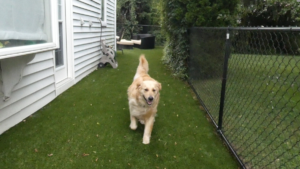
Do All Dogs Experience Zoomies?
No dog is immune to zoomies.
Some dogs zoom more frequently than others.
Breeds that zoom more often:
-
Border Collies
-
Australian Shepherds
-
Jack Russell Terriers
-
German Shepherds
-
Shelties
-
Huskies
-
Miniature Poodles
Dogs that zoom less frequently:
-
Greyhounds
-
Bulldogs
-
Pugs
-
Great Danes
-
Older dogs
As mentioned earlier, zoomies don’t happen constantly. They happen when your dog needs to move.
Some dogs simply need to move more than others.
Final Thoughts
Zoomies are one of the purest expressions of canine happiness. They’re not chaos for the sake of chaos—they’re your dog’s way of releasing emotion, energy, and instinct all at once.
Instead of seeing indoor zoomies as a nuisance, try viewing them as a reminder that your dog feels safe, alive, and emotionally free in your home. With a little preparation and redirection, you can keep everyone safe while still allowing your dog to experience that burst of joy.
Because in the end, a dog who zooms is a dog who feels good—and that’s something worth celebrating.
Save pin for later


- Dog Nutrition Guide for Better Health and Energy - May 23, 2026
- How to Keep Your Cat Healthy and Active at Home - May 17, 2026
- Dog Health Tips for Indoor and Apartment Living - May 17, 2026