
Have you noticed how some dogs are calm and emotionally resilient, while others seem anxious, destructive, or hyperactive?For many dogs, the answer lies in their daily routine.
Dogs crave routine. When they know what to expect, they feel safe and secure.This is why habits matter so much.
In this post, you’ll learn:
-
The Top 5 Daily Routines That Help Dogs Stay Calm and Balanced
-
How the right changes to your dog’s everyday life can improve their mood, behavior, and overall happiness

What Creates Anxiety in Dogs?
A calm dog isn’t a magically well-behaved dog.
Achieving calmness means providing a dog with structure, building trust, and fulfilling their psychological needs.
When dogs have their needs met consistently, they don’t feel the need to bark at every passerby. They don’t chew your shoes. They don’t pace restlessly around your home.
They relax. And they live life knowing that their world is a safe place.
Daily Routine #1: Create Morning Structure
How your dog’s morning starts can impact their entire day.
If their mornings are chaotic, rushed, and hectic, your dog will feel anxious and stressed.
But when mornings are calm and predictable, it lets your dog know, “Everything is okay. The world is a safe place.”
What This Routine Looks Like
A successful morning routine can be as simple as:
-
A quick bathroom break or morning walk
-
Calm connection (petting and quiet talking)
-
Feeding breakfast around the same time each day
-
Waiting a few minutes to let them settle after breakfast before leaving for work
Turning your dog’s morning into routine behaviors eliminates the stress of suddenly waking up and shifting into gear.
Tip: Dogs who don’t wake up calmly tend to wake up their owners. They whine, bark, and jump—anything to get your attention.
These dogs stay hypervigilant all day because their mornings are chaotic.
Why This Works
Dogs love consistency. When you start every morning the same way, your dog won’t have to wonder what’s going to happen next.
They know you’ll feed them, let them eliminate, and spend a few minutes connecting. This makes dogs feel secure.
Even spending 5 to 10 minutes calmly connecting with your dog after they wake up can change their mood for the entire day.
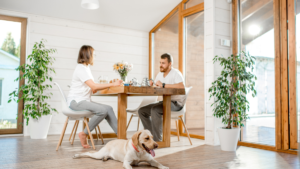
Daily Routine #2: Daily Exercise
If your dog pants anxiously at the door or drops into a play bow the moment you say “walk,” your dog probably isn’t getting enough exercise.
This is one of the most common reasons dogs become anxious and destructive.
Think of your dog like a battery that needs to be regularly drained.
Ideally, most of that energy gets used up during daily exercise.
Luckily, there are many different ways to give your dog the movement they crave:
-
Walks
-
Chasing each other around the yard
-
Fetch
-
Jogging
-
Playing with other dogs
Remember, exercise doesn’t always mean going for a walk. Think of ways to allow your dog to move their body in fun and stimulating ways.
What Exercise Does for Your Dog
Physical exercise helps burn off excess energy. It also floods your dog’s body with calming hormones.
That’s why dogs often seem to relax instantly after physical exertion.
Many trainers advise taking your dog for a walk before training sessions or before guests arrive.
You don’t want to train or host visitors while your dog is overstimulated.
Exercise is the foundation of all calmness routines.
Daily Routine #3: Mental Stimulation
As humans, we need intellectual challenges. Dogs are the same way.
Dogs think about things all day long. When they’re bored, they create jobs for themselves—jobs that usually involve chewing your favorite shoes, digging holes in the yard, or barking at squirrels.
Stimulating your dog’s mind does more than keep them busy.
Mental stimulation actually calms your dog down.
Try a Few of These Ideas:
-
Feed your dog from a puzzle feeder or slow bowl
-
Hide treats around the house for your dog to find
-
Train your dog for 5–10 minutes a day
-
Teach your dog new tricks
-
Allow your dog to sniff during walks
Sniffing is like meditation for dogs. Letting your dog smell as they walk gives them a fulfilling job.
These are just a few simple ways to incorporate mental stimulation into your dog’s day.
How Mental Stimulation Helps
When dogs use their brains, they feel accomplished, which leads to a more relaxed dog.
You’d be surprised at how tired your dog’s mind can make them.
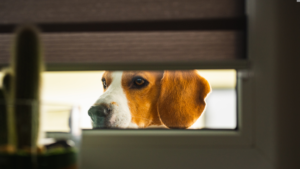
Daily Routine #4: Calm Time and Rest
Some dogs need to learn how to relax.
They follow you from room to room, beg at the dinner table, and can’t settle on their own bed.
Your dog needs to know that stillness is okay.
How You Can Create “Down” Time
Pick times during the day when you want your dog to be calm. After meals and walks is a great place to start.
During these times, invite your dog to lie down.
Encourage them to settle by rewarding calm behavior with gentle pets or soft talk.
Stay quiet yourself. Let your dog sniff you if they want.
The goal is to teach your dog that lying down is positive and rewarding.
This should be practiced anytime your dog is resting.
Why Rest Is Important
Many dogs are constantly “on.” They’ve learned that the only time they receive attention is when they’re active.
These dogs don’t know how to entertain themselves or relax.
Creating a culture of calm teaches your dog that it’s okay to take a mental break.
Daily Routine #5: Evening Wind-Down
In addition to starting your dog’s day calmly and with structure, you can tell your dog the day is coming to a close by creating an evening routine.
Many dogs become overly excited and wound up late at night, which makes sleeping difficult.
Help your dog learn how to settle after a long day with these simple steps:
-
Take your dog for a short, relaxing walk
-
Play quietly with your dog or do some light training
-
Feed dinner at the same time each night
-
Turn off the TV and create a quiet atmosphere
-
Give your dog calm attention
These steps tell your dog that it’s time to start winding down.
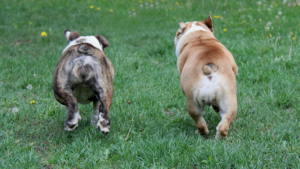
Putting the “Top 5 Daily Habits That Help Dogs Stay Calm” Together
When you combine all of these habits, you create an environment your dog can feel secure in.
They know when to expect certain things.
And that alone can help prevent anxiety in dogs.
If your dog knows what will happen throughout the day, there’s nothing to worry about.
They don’t have to keep their guard up because they know when they will eat, when they will play, when they will rest, and when they’ll spend time with you.
Summary
So there you have it.
Implementing these five daily routines in your dog’s life will make a real difference.
They won’t magically fix every behavior problem, but they will help your dog feel calm and secure.
Once your dog knows their home is a safe place, their mind will wander less. They’ll be less anxious and more confident.
Every dog deserves that kind of life.
Start building better habits for your dog today.

Try to Avoid These Mistakes
-
Being inconsistent with routines
-
Skipping daily exercise
-
Only giving attention during high-energy moments
-
Overstimulating your dog late at night
In Closing
Remember, you don’t have to implement all of these routines at once.
If you want a calmer dog, start where you are.
Commit to taking your dog for a short walk each morning. Then add five minutes of training.
Whatever you decide, take small steps. Small steps lead to big results.
As you add routines, you’ll start to notice your dog calm down.
They might stop pacing at your legs while you cook.
They might stop barking at every passerby.
Your dog may even sleep through the night.
These are all signs that your dog is feeling safe and secure.
And there’s no greater gift you can give your dog than a calm, relaxed life.
Save pin for later


- Dog Nutrition Guide for Better Health and Energy - May 23, 2026
- How to Keep Your Cat Healthy and Active at Home - May 17, 2026
- Dog Health Tips for Indoor and Apartment Living - May 17, 2026