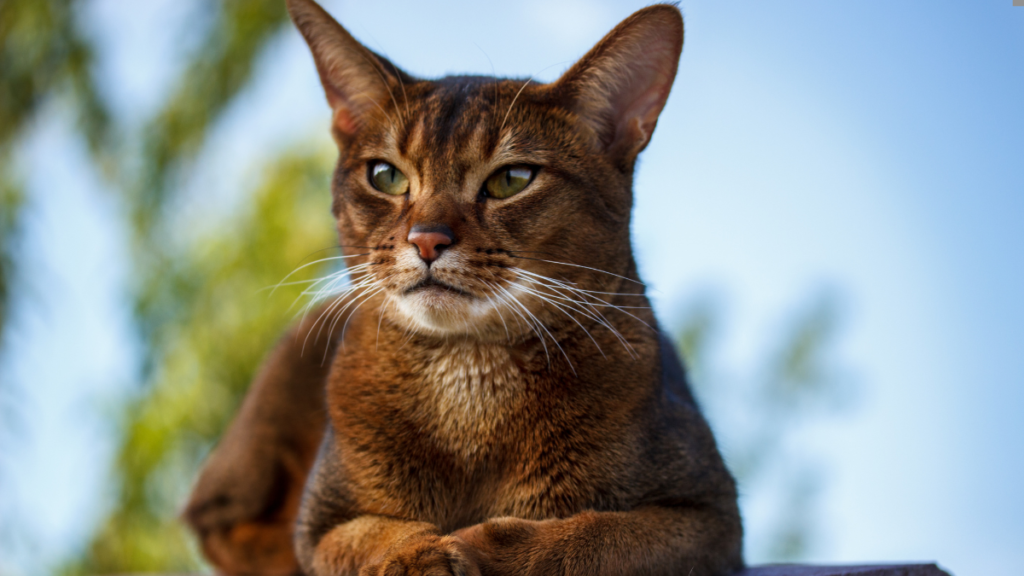
As humans, we tend to think of cats as stoic, independent souls that silently will and conquer their own worlds. Because our pets don’t bark, whimper, or greet us with boundless excitement every time we look at them, we often make the mistake of assuming they’re always feeling “fine.”
However, cats get stressed too. Just like us, they feel pressure and overwhelm—especially kitties. They’re experts at masking it. That’s why most pet parents overlook the hints until stress escalates into illness and behavioral issues.
The Subtle Ways Cats Communicate Stress (And How to Recognize Them)
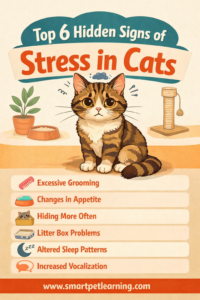
1. Grooming Changes
Watch how often your cat licks themselves. Chances are, they spend hours each day licking, smoothing down fur, and keeping clean.
Think about it: grooming feels amazing. That light, cooling sensation cats experience as they lick their fur is instinctual.
So if your cat suddenly grooms too much or too little, stress could be the cause.
-
Over-grooming may look like chewing or licking certain areas obsessively. This can cause patches of thin or bald skin and irritated spots.
-
Under-grooming looks like a lack of interest in cleaning at all. Your cat’s coat may appear dull, greasy, or clumped.
Over-grooming is often attributed to allergies or fleas. Under-grooming is blamed on laziness or old age.
The truth is, emotional stress can cause both.
Think about it: when you’re anxious or upset, what do you do with your hands? We fiddle with things and tap our feet. Cats lick.
If your cat suddenly spends significantly more or less time grooming, and you can rule out medical issues, their emotional tank might be running on empty.
Here’s what you can try:
-
Stick to a daily routine.
-
Provide cozy hiding spots throughout your home.
-
Minimize arguments and loud noises.
-
Try a Feliway diffuser to increase feelings of security.
2. Appetite Changes (Too Much or Too Little)
Stress can wreak havoc on digestion and appetite. When anxious, some cats eat nonstop to feel better. Others turn their noses up at food altogether.
Watch for signs your cat:
-
Turns their back on meals they used to devour
-
Eats slower or more apprehensively than normal
-
Nibbles on food but never seems full
-
Climbs into bed with you at night to ask for snacks
-
Becomes overweight or underweight without explanation
Food and routine are huge parts of any cat’s life. Moving their food bowl two inches to the left can send some kitties into hiding.
Not to mention, loss of appetite is life-threatening for cats. They can literally die if they stop eating for a few days due to hepatic lipidosis (fatty liver disease).
Try:
-
Feeding your cat in a quiet location that doesn’t see heavy traffic
-
Establishing strict mealtimes that never change
-
Avoiding sudden changes in food (brand, flavor, location, or bowl)
-
Providing multiple feeding stations if you have more than one cat
Like sudden changes in behavior, sudden loss of appetite is often linked to stress.
3. Hiding
We all love our bean-shaped burrito cats. Sunning themselves on a windowsill or cuddling into our laps is what kitties were born to do.
But hiding isn’t always about comfort. When your cat suddenly hides more than usual—or from people they used to love—take notice.
Does your cat:
-
Hide all day long?
-
Avoid you and their favorite humans?
-
Refuse to greet you when you walk in the door?
-
Slip away when guests visit?
-
Choose the most secluded rooms to sleep in?
I’ll say it again: hiding is not stubbornness. It’s self-preservation.
When cats feel threatened, frightened, or insecure, they hide. To them, staying out of sight equals feeling safer.
Triggers include:
-
New pets or people
-
Loud living spaces
-
House renovations
-
Changes in feeding location
-
Animals fighting or being pushed out of territory
Help your kitty heal by:
-
Allowing them space (don’t follow them around)
-
Providing cat trees, shelves, or other vertical spaces
-
Ensuring each cat in your home has their own safe spot
-
Letting your cat come to you—don’t force affection
4. Litter Box Issues (Without a Medical Explanation)
Let’s face it: when cats urinate or defecate outside the litter box, we often assume they’re being spiteful. But cats don’t eliminate to “get back” at you.
Watch for:
-
Spraying urine on beds, clothing, or furniture
-
Pooping outside the litter box
-
Visiting the litter box frequently with little output
-
Refusing to use the litter box
Stress causes cats to associate the litter box with fear, discomfort, and negative feelings. Punishing them only reinforces that message.
If you have more than one cat, see if they’re preventing each other from accessing the boxes.
Urine marking is extremely common in stressed cats.
First and foremost, rule out medical problems. If your cat passes urine tests and physical exams with flying colors, stress is likely the culprit.
What you can do:
-
Provide one litter box per cat, plus one extra
-
Keep boxes in low-traffic areas
-
Scoop daily
-
Avoid sudden changes in litter type
-
Reduce tension between cats
5. Sleeping Differently
We all know cats sleep—a lot. But stressed cats often exhibit changes in their sleep patterns.
Look for:
-
Restlessness at night
-
Increased nighttime activity
-
Sleeping in obscure spots
-
Wide-awake kitties
-
Less downtime
Stress throws your cat’s nervous system into overdrive. Even when resting, stressed cats are often tense—drawn up small, ears twitching, tail wrapped tightly.
It’s exhausting for them.
Help your cat relax by:
-
Developing a calming bedtime routine
-
Providing cozy, quiet sleeping areas
-
Reducing nighttime noise
-
Playing with your cat before bed
6. Vocalization Changes
Ever notice how cats “sing” when they want something? When stressed, they may meow more—or less—than usual.
Other signs include:
-
Sad or excessive meowing
-
Yowling for no apparent reason
-
Growling at “nothing”
-
Becoming unusually quiet
Environmental stressors that affect vocalization include:
-
New family members
-
Loss of a companion (animal or human)
-
Boredom
-
Illness
-
Being confined to one area
-
Changes in schedule
Pay attention to your cat’s voice. It tells you everything you need to know.
Help your cat by:
-
Interacting with them more throughout the day
-
Adding enrichment (toys, puzzle feeders, climbing trees)
-
Creating a consistent routine
-
Speaking to them gently and reassuringly
Why Owners Miss These Signs
Many of these signs are subtle. Others creep up slowly. What began as mild over-grooming months ago suddenly feels like your cat “fell off the wagon.”
We also expect dog-like emotions and reactions from cats. Dogs get jealous, vocalize loudly, and crave constant attention. Cats are far more subtle.
That’s why educating yourself on the Top 6 Hidden Signs Your Cat Is Stressed empowers you to care for them emotionally.
Stress Leads to Health Issues
Stress isn’t “just stress.” Left unchecked, it becomes physical.
Chronic stress in cats can lead to:
-
Urinary disease
-
Digestive issues
-
Skin conditions
-
Weakened immune systems
-
Behavioral problems (aggression, biting, etc.)
The quieter your cat becomes, the deeper they may be hurting.
How to Prevent Stress in Cats
1. Set a Schedule
Feed, play, and spend time with your cat at the same times each day.
2. Enrich Their Space
-
Vertical areas
-
Scratching posts and pads
-
Window beds
-
Interactive toys
They love us—but they hate being bored.
3. Give Them Alone Time
Each cat should have places they can relax without siblings (or you) disturbing them.
4. Let Them Set the Pace
Follow your cat’s lead. If they don’t want interaction, respect that.
5. Decrease Tension Between Cats
Urination, aggression, and fear often trace back to inter-cat tension.
Rule of thumb: Never force cats to be friends.
Each cat should have their own food bowls, beds, litter boxes, and scratching areas.
When in Doubt, Talk to Your Vet
If your cat’s behavior doesn’t improve, consult:
-
Your veterinarian (to rule out medical issues)
-
A qualified feline behaviorist
These professionals can offer insight and help preserve your bond with your furry kiddo.
Behavioral problems are never your fault. There is always a reason behind your cat’s actions.
Life would be easy if they wore tiny hats labeled “Problem: _____.”
Final Thoughts
Cats don’t scream when they’re stressed. They whisper.
Understanding the Top 6 Hidden Signs Your Cat Is Stressed empowers you to meet your kitty’s emotional needs. You become their rock—their safe place.
More importantly, you stop trying to “fix” them and start listening.
Listen to what their behavior is telling you.
Save pin for later

- Dog Nutrition Guide for Better Health and Energy - May 23, 2026
- How to Keep Your Cat Healthy and Active at Home - May 17, 2026
- Dog Health Tips for Indoor and Apartment Living - May 17, 2026