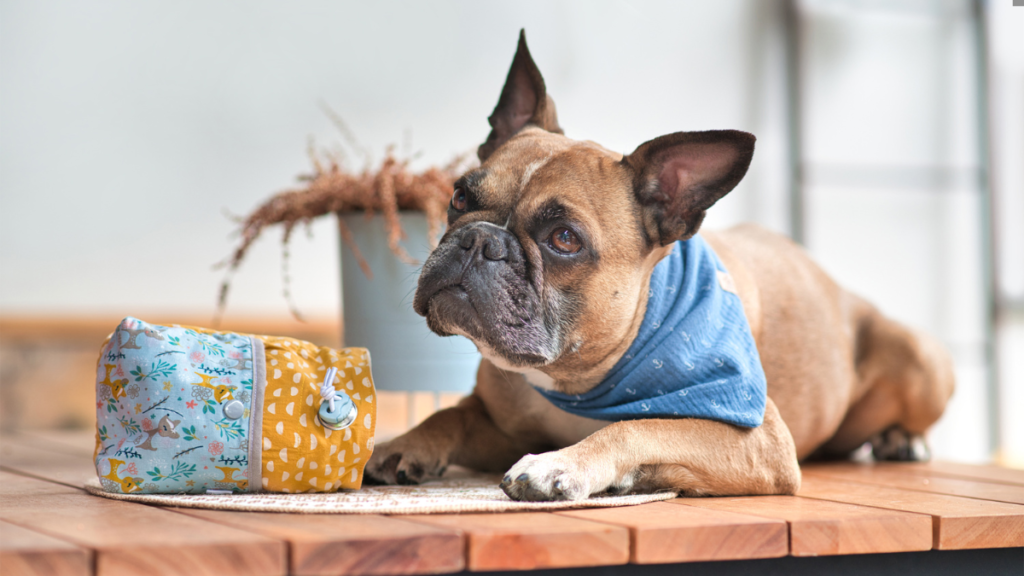
It’s happened to every dog owner at least once: you hand your dog an enticing treat, only to have them turn away with little interest.You might feel frustrated, confused, or even a little hurt, wondering why dogs ignore treats.Aren’t treats supposed to be irresistible to dogs?
While this question can have many answers, dogs are complicated creatures with distinct personalities, tastes, likes, dislikes, and needs.If you want to improve your relationship with your dog, their training, and even their overall health, it’s important to learn how to interpret this behavior.
Your Dog Is an Individual
Think about it: what tastes good to you might not appeal to your dog.Not all people love cheese, and not all dogs will go wild over a piece of American.That doesn’t make you ungrateful; it just makes you someone with different taste buds and senses of smell.
The same goes for dogs!Some dogs are picky eaters by nature.Certain breeds gravitate toward specific foods, and dogs with sensitive stomachs may be pickier about what they eat.If you’ve only ever given your dog plain old kibble, they may react oddly to a treat.
The point is, dogs are individuals with their own wants and needs.The first step to learning why dogs ignore treats is to accept that sometimes, your dog just doesn’t feel like eating what you’re offering.This could be due to their mood, health, or environment.
Health Problems Can Cause Loss of Appetite
Let’s say you’ve fed your dog the same treat for years, and suddenly, they stop taking it.If you’ve ruled out the possibility that your dog is just in a stubborn mood, it could be a sign of health issues.Dental pain, upset stomachs, nausea, and other medical problems can cause your dog to turn away from food.
If you suspect that your dog is hurting or feeling unwell, it’s important to consult your veterinarian.
While some dogs are naturally picky, a sudden refusal to eat can indicate the need for medical attention.Chronic illnesses can also impact your dog’s desire for treats.Arthritis, kidney disease, and other conditions can cause discomfort.When in pain, dogs focus more on relief than on scarfing down snacks.
Environmental Distractions
Just like you might ignore your food when focused on something else, dogs can ignore treats when they find something more interesting.A new noise outside, especially if it involves other dogs or people, may make your dog want to investigate instead of eat.Other animals, people, or movements can also be distracting.
Training puppies to focus on you is hard work, and even minor distractions can disrupt learning.This applies to older dogs as well!
When trying to understand why dogs ignore treats, consider what might be happening in their environment that they find more interesting than food.
Training Can Impact Behavior
Past experiences can influence how your dog reacts to treats.Dogs that have been punished after eating a treat, or that associate treats with stressful situations, may feel anxious or hesitant to eat.Additionally, dogs frequently given treats when they aren’t paying attention may not understand that treats = good behavior.
Without proper training, your dog may not know how to react when presented with a treat.Treats should always be paired with praise or your dog’s favorite activity—like cuddling or playtime!If your dog refuses treats even when healthy and happy, it might simply mean the mental connection between treat and reward hasn’t been fully established.
Does your dog love toys more than treats?There’s nothing wrong with mixing it up and rewarding your dog with toys instead of food.
Know Your Dog’s Taste
Have you ever offered your dog a treat you thought was delicious?
Just because you like it doesn’t mean your dog will.Dogs have different preferences when it comes to flavors and textures.While you might enjoy gooey brownies, your dog might prefer crunchy snacks.
Meaty smells often excite dogs more than sweet or chocolatey aromas.Puppies are generally more eager to please and may respond better to treats, while older or more laid-back dogs may not be as motivated.Senior dogs may also have weaker senses of smell and taste, which can cause them to refuse foods they once loved.
Emotional Issues
Have you ever tried to eat while anxious or upset?Probably not. Most people lose their appetite under strong emotions, and dogs are no different.If your dog is afraid of certain people or environments, they may refuse treats out of fear.Dogs experience anxiety, stress, and trauma just like humans.
Helping your dog feel safe and easing them into stressful situations can encourage them to eat.In some cases, dogs with separation anxiety or past trauma may refuse treats as a way of seeking comfort.Extreme, yes—but it highlights how emotional state affects appetite.
They’re Full
Sometimes the simplest explanation is the right one: your dog might just be full.
Just like people, dogs can overeat and lose interest in extra snacks.
Feeding treats right before or after a meal can reduce their appetite.A good rule of thumb is to give your dog plenty of exercise before treats and maintain consistent feeding times to establish a routine.Treats should be exciting, not expected after every meal.
Tips for Getting Your Dog to Take Treats
Buy Variety Packs
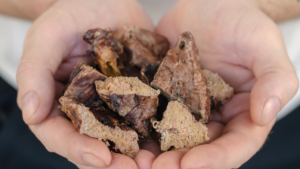
Offer different kinds of treats: soft, chewy, crunchy, or freeze-dried.
Variety keeps things interesting.
High-value treats, like small pieces of hot dog or cheese, can be especially motivating for picky eaters.
Treats Aren’t Free
Handing out treats randomly reduces their value.
Save treats for training sessions or playtime to strengthen the connection between treats and positive behavior.
Don’t Overfeed
Avoid giving too many treats throughout the day.
Dogs can lose interest in food if they’re constantly snacking.
Space treats out and use them strategically.
Reduce Stress and Distractions
Feed your dog in a calm, quiet environment.
Establishing a special feeding area can help them focus on the task at hand.
Feed a Nutritious Diet
If your dog’s dietary needs are met, they may not crave extra snacks.
High-quality dog food ensures your dog is satisfied and healthy.
Reward with Toys and Affection
If your dog turns away from treats, offer toys, love, or cuddles instead.
Sometimes, your attention is the best reward.
Know Your Dog
Every dog has different reasons for turning down food.
Learn what makes your dog comfortable, what rewards they prefer, and which foods they enjoy.
Treat refusal isn’t necessarily bad behavior—it’s just communication.
Final Thoughts
There are many reasons dogs ignore treats, ranging from taste preferences to stress, anxiety, and simply being full.Understanding your dog’s behavior requires observation, patience, and experimentation.
Dogs that ignore treats aren’t bad dogs—they just need a little guidance.With patience, variety, and positive reinforcement, you can find the best way to communicate with your pup.Understanding why dogs ignore treats is the first step toward helping your dog live a happy, healthy, and comfortable life by your side.
Save pin for later

- Dog Nutrition Guide for Better Health and Energy - May 23, 2026
- How to Keep Your Cat Healthy and Active at Home - May 17, 2026
- Dog Health Tips for Indoor and Apartment Living - May 17, 2026