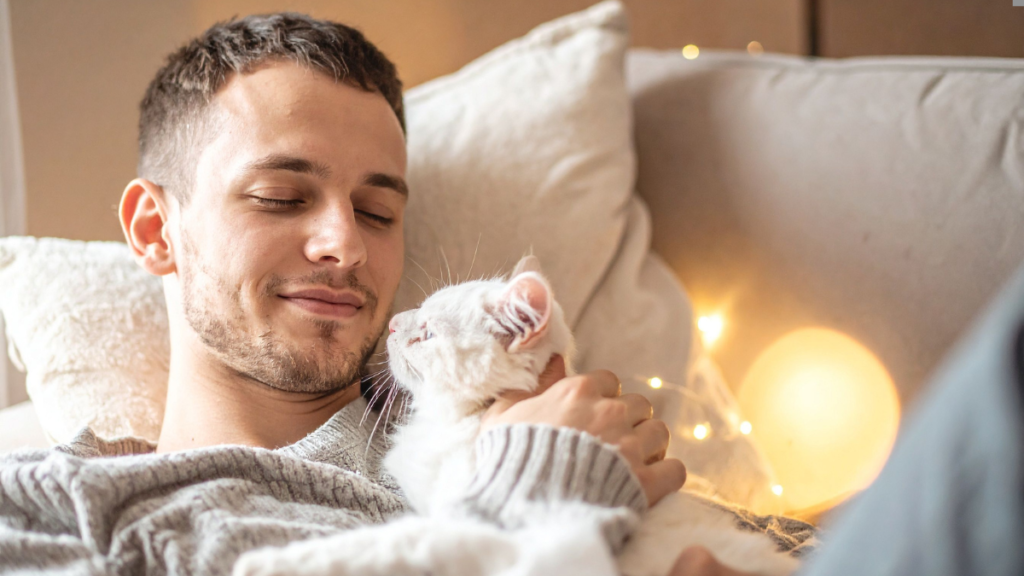
Your cat may live indoors with you. You may even let your cat sleep on your bed every night. Perhaps your cat loves nothing more than lounging on the couch while you binge-watch Netflix together. But cats are still prey animals with sensitive instincts. That’s why we’re diving into why cats need safe spaces (and how you can provide them)!
Creating safe spaces and preventing fear is one of the most important things you can do to keep your cat happy, calm, and healthy. Let’s explore why cats need safe spaces at home, how fear affects their behavior and health, and how to provide safe spaces wherever you live.
Why Cats Need Safe Spaces: Understanding Your Cat’s Natural Environment
Before we get into the details of setting up safe spaces, let’s look at why cats instinctively need them. First of all, cats are both predators and prey. They have instinctual drives to hunt, but they are also cautious and alert to their surroundings.
Any loud noise, unexpected movement, new people, or even furniture rearrangement can trigger your cat’s stress response.
Wild cats survive by finding places to hide and rest safely. They keep watch from tall perches and return to their dens to sleep, eat, and avoid threats.
When you bring a cat indoors, your home becomes your cat’s natural environment. You don’t need trees and caves inside your house, but you can provide substitutes in the form of hiding spots and safe spaces.
If your cat feels there are no good places to hide when they want to be left alone, they may live in a constant state of high alert. That can spell disaster for both their emotional and physical health.
What Qualifies as a Safe Space for Cats?
A safe space for cats is subjective and varies from one cat to another. A safe space can be defined as anywhere a cat feels secure. When they retreat to that spot, they can relax because they know people and other animals won’t bother them.
Some safe spaces may include a closet, under the bed, or even inside a bedroom dresser. Cats may also choose to sleep on a cat tree because it allows them to observe their territory from above.
In essence, a safe space is anywhere the cat chooses to rest undisturbed.
Keep in mind that you can’t force your cat to use a safe space just because you bought it. If your cat doesn’t seem interested in the Kitty Castle™ you just purchased, try a different location or type of enclosure.

7 Reasons Cats Need Safe Spaces at Home
Helping your cat feel safe supports emotional regulation. Cats aren’t going to come up to you and tell you they’re scared. Instead, their bodies try to cope with stressful situations—like bright lights or house guests—by hiding.
When cats don’t have a place to hide, they may show signs of stress such as aggression or urine marking. Providing safe spaces allows your cat to take a break whenever they start to feel overwhelmed.
1. Indoor Cats Need Places to Feel Safe from Stressors in Their Territory
The world is full of noises and surprises that can stress out your cat. People coming over, kids playing loudly, and even the garbage disposal can trigger their nervous system.
When something startles or scares your cat, their instinct is to hide. If they can’t find a suitable hiding place, they may express their anxiety in other ways. Providing plenty of hiding spots can help prevent fear-based behaviors from developing.
2. Move-In Plans? Safe Spaces Help Cats with Big Life Changes
Whether you’re moving to a new home or just rearranging the living room furniture, safe spaces help make transitions less stressful for your cat.
Cats feel secure when their environment contains familiar objects. They also need a place to retreat when overwhelmed by change. Set up your cat’s bed or favorite hiding spot before a move so they have somewhere comforting to go.
3. Siamese Fighting Fish Aren’t the Only Ones Who Fight
Even in multi-cat households where everyone seems to get along, cats still need their own space.
Cats can feel stressed when they have to share resources like food bowls and litter boxes with other cats. Each cat should have access to their own safe spaces so they don’t feel forced to compete.

4. Safe Spaces Help Prevent Disease and Promote Physical Healing
Stress isn’t just bad for mental health—it can cause physical harm, too.
The deeper and more relaxed your cat sleeps, the healthier they’ll be overall. If your cat doesn’t feel safe or comfortable in your home, they won’t rest as well. Providing hiding spots encourages better sleep and reduces stress-related health risks.
5. Cats with Access to Safe Spaces Are Generally More Confident
It might seem backward, but cats with good hiding spots are often friendlier and more social.
Confidence comes from having choices. If your cat knows they can hide whenever they want, they’ll feel more comfortable exploring their environment instead of feeling trapped.
Cats without safe spaces may become clingy or reactive because they feel there’s no escape. Let your cat come to you—having their own space builds confidence and trust.
6. Cats Need Safe Spaces to Prevent Scratches and Bites
When people feel frightened or threatened, they usually don’t want to be touched—and the same goes for cats.
If cats don’t have safe spaces, they may lash out defensively when overwhelmed. When they do have a place to hide, they’re more likely to retreat and calm themselves rather than react aggressively.
7. Providing Safe Spaces Gives You Peace of Mind
Dedicated hiding spots don’t just improve your cat’s quality of life—they help you, too.
Knowing your cat has safe places to retreat means less worry, especially if you have children, guests, or other pets that might unintentionally intimidate them.
Types of Safe Spaces Cats Love
Just like people, every cat has different preferences. Older cats may avoid climbing, while cats with joint pain may prefer plush, supportive resting spots.
Despite these differences, there are several types of spaces most cats tend to enjoy.
Enclosed spaces:
Boxes, covered cat beds, and enclosed cubbies limit visual stimulation and provide comfort.
High perches:
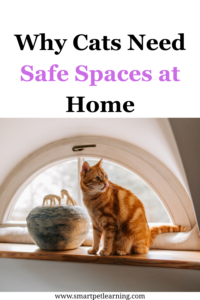
Cat trees, shelves, and window perches allow cats to observe their surroundings from above.
Under furniture:
Many cats love resting under beds or tables, where it’s quiet and protected from above.
Quiet rooms:
A spare bedroom or low-traffic room can serve as a sanctuary, especially during gatherings.
How to Create Safe Spaces in a Small Home
Living in a small space doesn’t mean you can’t provide great safe spaces.
Cats love vertical territory. Wall-mounted shelves and window hammocks are excellent solutions. Furniture with built-in hiding spots—like storage ottomans—also works well.
Pay attention to where your cat already spends time. If they love the windowsill, add a cushion or hammock. If they hide under the couch, respect that preference.
Remember to Respect Your Cat’s Safe Space
Once safe spaces are established, it’s important to respect them.
Teach children not to disturb cats while hiding or sleeping. Guests should also leave cats alone when they’re in their safe zones.
Safety takes time to build. The more consistently you protect these spaces, the more your cat will trust and use them.
Using Safe Spaces to Help Your Cat Adjust to Major Changes
Major life changes—like introducing a new pet or baby—can be stressful for cats.
Setting up safe spaces with familiar blankets and toys helps cats feel secure. This is especially important during moves. Set up your cat’s favorite hiding spot as soon as you arrive in your new home.
Encourage exploration, but make sure your cat always knows where to go for quiet time.
Final Thoughts
Understanding why cats need safe spaces is essential for keeping your cat happy and stress-free. Cats naturally hide when they feel overwhelmed, and providing them with safe spaces allows them to calm themselves.
When cats trust that their safe spaces will always be available, they feel more confident exploring, socializing, and relaxing. Creating these spaces is one of the most effective ways to strengthen your bond with your cat.
Save pin for later

- Dog Nutrition Guide for Better Health and Energy - May 23, 2026
- How to Keep Your Cat Healthy and Active at Home - May 17, 2026
- Dog Health Tips for Indoor and Apartment Living - May 17, 2026