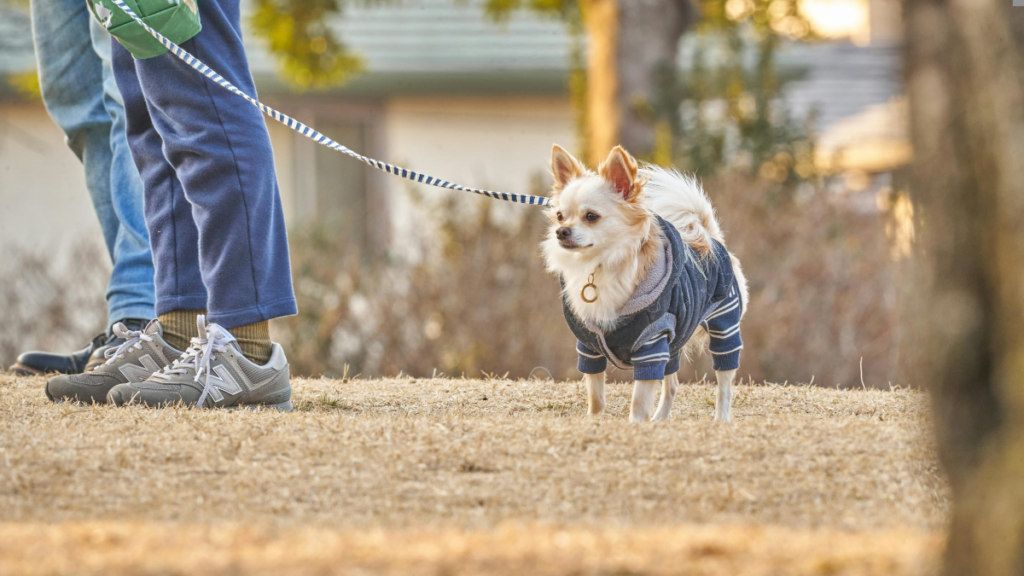
Are your walks with your dog more like a wrestling match than a relaxing stroll? If so, you aren’t alone. Dog owners frequently struggle with pulling, zigzagging, and constant leash tension. Teaching your dog how to teach loose-leash walking can change your walks from something you dread into something you both enjoy. It can also deepen the bond between you and your dog.
Learning loose-leash walking is possible with any dog. With patience, consistency, and this guide, your dog can learn to walk politely on a loose leash.
What Is Loose-Leash Walking?
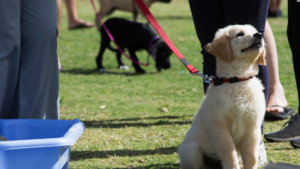
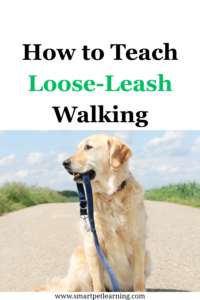
Loose-leash walking means your dog walks nicely beside you (or slightly ahead) without tension on the leash. The leash does not become taut; instead, it hangs in a loose “J” shape between you and your dog.
Loose-leash walking does not mean your dog must heel with perfect obedience. Your dog can still sniff and explore while on leash. However, they will return to you when asked or when you stop walking.
With loose-leash walking, your dog learns that cooperating with you while on leash benefits them. They understand that pulling gets them nowhere.
Why Dogs Pull on the Leash
Understanding why dogs pull makes training much easier. Remember, your dog is not trying to be difficult—they are simply being a dog.
Dogs pull because:
1. Dogs Naturally Move Faster Than Humans
Your dog’s natural walking pace is faster than yours. When your dog becomes excited or curious—like spotting a squirrel—their instinct is to move forward quickly.
2. Pulling Has Been Rewarded
If pulling has ever helped your dog reach something interesting, the behavior has been reinforced. Sniffing a tree, greeting another dog, or reaching a person teaches your dog that pulling works.
3. The World Is Overstimulating
Walks are full of smells, sounds, and movement. Younger dogs especially can become overwhelmed and struggle to control their excitement.
4. Your Dog Doesn’t Know What You Want
Dogs are not born knowing how to walk politely on a leash. If you haven’t taught the behavior, your dog has no way of understanding what is expected.
Benefits of Loose-Leash Walking
Teaching loose-leash walking has many benefits, including:
-
Less stress during walks
-
Greater safety
-
Improved focus and impulse control
-
A stronger relationship with your dog
-
Reduced strain on your body
Once your dog understands loose-leash walking, walks become something you both enjoy.
Tools Needed to Teach Loose-Leash Walking
You don’t need specialized equipment, but the right tools can make training easier.
1. Dog Harness or Collar
A harness or collar is essential. Many trainers recommend a front-clip harness, which gently redirects your dog toward you when they pull. Avoid tools that rely on fear or pain.
2. Standard Leash
Use a 4–6 foot leash. Avoid retractable leashes, as they make loose-leash walking much harder to teach.
3. High-Value Treats
Soft, smelly treats like chicken, cheese, or training treats work best. These are easy for your dog to eat while managing distractions.
4. Patience and Consistency
You can’t see them, but these are the most important training tools you have.
Start by Teaching Loose-Leash Walking Indoors
Training indoors allows your dog to learn without distractions.
Step 1: Teach Your Dog to Give You Attention
Place your dog on a leash in a quiet room. Reward your dog for looking at you or choosing to stay near you.
Step 2: Reward the Correct Position
Decide where you want your dog to walk—left side, right side, or either. Reward your dog for staying in that position with a loose leash.
Step 3: Take One or Two Steps Forward
If your dog maintains a loose leash, reward them. Gradually increase the number of steps before rewarding as your dog improves.
Practice Loose-Leash Walking Outdoors
Outdoor environments are exciting and unpredictable. Consistency is key.
Step 1: Choose a Low-Distraction Area
Practice in a quiet place like your backyard, an empty parking lot, or a calm street.
Step 2: Stop When Your Dog Pulls
If your dog pulls, stop immediately. Stand still without pulling the leash. When the leash loosens or your dog turns back to you, reward and continue walking.
Step 3: Reward Frequently
In the beginning, reward every few steps. This helps your dog quickly understand what behavior you want.
Step 4: Change Directions
If your dog pulls ahead, calmly turn and walk in the opposite direction. This keeps your dog focused on you and prevents pulling toward distractions.
Timing Is Important
Timing and consistency are critical. Reward your dog immediately when they walk with a loose leash. Delayed rewards can confuse your dog.
Be consistent in your response to pulling. If pulling sometimes works, your dog will keep trying.
Tips to Avoid Common Training Mistakes
1. Don’t Rush the Process
Loose-leash walking takes time. Some dogs need weeks or months to master it.
2. Avoid Yanking the Leash
Using the leash to correct behavior can cause fear or frustration and may worsen pulling.
3. Train Outside of Walks
Short, focused training sessions outside of daily walks help reinforce the skill.
4. Reward Good Behavior
Notice and reward your dog whenever the leash stays loose.
Dealing With Distractions
People, Dogs, and Squirrels
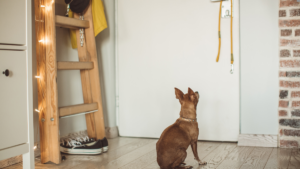
Increase distance from distractions and reward your dog for choosing you. Gradually decrease distance as your dog improves.
Excitement at the Door
Ask for calm behavior before opening the door. Reward your dog for staying calm, then allow them to explore.
Setbacks Are Normal
New environments and exciting situations can temporarily set back progress. Be patient and return to basics when needed.
Training Puppies vs. Adult Dogs
Puppies
Puppies have short attention spans. Keep sessions short, fun, and positive.
Adult Dogs
Adult dogs can absolutely learn loose-leash walking. They may need more repetition, but progress is always possible.
How Long Will It Take My Dog to Learn?
There is no exact timeline. Some dogs learn quickly, while others take weeks or months. Age, breed, energy level, and consistency all play a role.
Focus on progress rather than perfection. Track improvements like fewer pulling moments or longer periods of loose-leash walking.
Maintaining Loose-Leash Walking
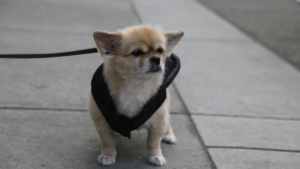
As your dog improves, gradually reduce treats and use praise, play, or sniffing opportunities as rewards. Random reinforcement helps maintain good behavior.
When to Hire a Professional Trainer
If progress stalls, a professional dog trainer can observe your technique and provide personalized guidance.
Conclusion
Loose-leash walking is one of the most valuable skills you and your dog can learn together. It makes walks more enjoyable and strengthens your relationship.
Learning how to teach loose-leash walking takes time, patience, and consistency. Stay positive, take it one step at a time, and enjoy the journey with your dog.
Save pin for later

- Dog Nutrition Guide for Better Health and Energy - May 23, 2026
- How to Keep Your Cat Healthy and Active at Home - May 17, 2026
- Dog Health Tips for Indoor and Apartment Living - May 17, 2026