You’ve likely encountered resource guarding if you’re a dog owner. Fortunately, you don’t need to live with it forever. By understanding why it happens and learning effective strategies, you can prevent your dog from guarding resources, helping everyone in your home feel safer and happier.
Let’s dive into what resource guarding is, why dogs do it, and—most importantly—how to stop resource guarding in dogs once and for all.
What Is Resource Guarding?
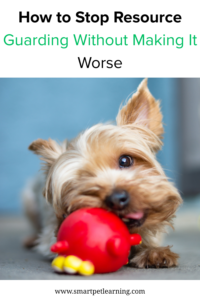
Simply put, resource guarding is when your dog becomes defensive over something they value. It can be food, toys, certain spots on the couch, or even people. If they growl, snap, or bite when you approach them while they’re eating, playing with toys, or sitting where they like, they are resource guarding.
Although it can feel frustrating or aggressive, resource guarding is natural behavior for dogs. In the wild, dogs and wolves compete with other animals for food and shelter. Being protective over resources helped them survive and pass down this instinctual behavior.
However, when a dog growls at you over a toy or spot on the couch, it can strain your relationship. That’s why it’s important to learn how to stop resource guarding in dogs.
Signs Your Dog Is Guarding Resources
The easiest way to stop resource guarding is to catch it early. Look for these signs:
-
Growling or snapping when someone approaches food, toys, or favorite spots.
-
Stiff posture, including raised hackles, tense muscles, or intense eye focus.
-
Bracing their body between something they value and another dog or person.
-
Refusal to drop a toy or stop eating when asked.
-
Increased intensity if you reach for the object they have.
Some dogs only give a silent glare when you approach their items, which may not be considered guarding. While some dogs guard aggressively, others may just freeze or slowly back away. The key is to notice warning signs and address the behavior before it escalates.
Why Dogs Guard Resources
Understanding why dogs guard resources helps you know how to stop resource guarding effectively. Dogs usually guard for one or more of these reasons:
-
Instinct: Dogs are naturally inclined to protect their possessions.
-
Fear: Some dogs guard due to past experiences with scarcity or unstable environments.
-
Lack of training: Dogs that haven’t been taught to share may default to guarding.
-
Medical issues: Pain or discomfort can make a dog more defensive over things they value.
Knowing whether your dog guards out of instinct, fear, or habit helps you choose the right approach.
Step 1: Assess the Situation Safely
Safety should always be your number one priority. Never put your hands near a dog guarding an item—they may perceive it as theft and bite. Instead, observe carefully:
-
What objects does your dog guard?
-
How far do they go to guard (growl, snap, stiffen)?
-
When does guarding occur (meal times, playtime, around certain people)?
Understanding triggers prepares you to stop resource guarding around specific items safely.
Step 2: Create Positive Associations
Creating positive associations helps your dog see someone approaching their food or toys as a good thing, not a threat. This is a form of classical conditioning.
How to do it:
-
Choose low-value items your dog doesn’t guard strongly.
-
Walk toward your dog while they have the object.
-
Drop a high-value treat in exchange for the item or for allowing you to approach.
-
Step away calmly and let your dog enjoy their treat. Avoid sudden movements.
Repeat until your dog allows you to approach without concern. Gradually decrease the distance over time until they’re comfortable with anyone walking toward them.
Step 3: Teach “Trade” or “Drop It”
Teaching your dog to trade items is a powerful way to prevent guarding. Dogs learn that giving up an item can result in something better.
How to teach your dog to trade:
-
Offer something better than what they’re holding (treat or toy).
-
Use a release command like “drop it” or “trade.”
-
Reward immediately after they give up the object.
Over time, your dog realizes that releasing items doesn’t mean loss—they gain something better! This technique works for food, toys, and even spaces.
Step 4: Set Boundaries and Manage Their Environment
Sometimes the best approach is to manage situations that trigger guarding:
-
Feed separately: If you have multiple dogs, feed them in separate areas.
-
Remove objects: Temporarily put away toys or high-value items.
-
Supervise interactions: Watch your dog when they interact with people or other pets.
-
Give them space: Provide a safe zone where they won’t be bothered.
Management doesn’t solve guarding long-term but prevents incidents while you train.
Step 5: Build Confidence With Obedience Training
An anxious or insecure dog is more likely to guard. Obedience training builds confidence and strengthens your relationship.
Focus on:
-
Commands: Sit, stay, leave it—useful during guarding scenarios.
-
Impulse control: Teach your dog to wait calmly for food or toys.
-
Reward calm behavior: Praise and treat when your dog doesn’t guard.
Never punish your dog for guarding—it increases fear and worsens the behavior.
Step 6: Use Gradual Desensitization
Gradual desensitization helps dogs feel safe while you’re near their valued items.
Example with a food bowl:
-
Stand far enough away to avoid triggering guarding.
-
Toss high-value treats into the bowl while they eat.
-
Gradually decrease the distance over several weeks.
-
Always watch body language—if your dog growls or stiffens, take a step back.
This technique helps your dog associate your presence with positive experiences.
Step 7: Avoid These Mistakes
Avoid these common pitfalls when stopping resource guarding:
-
Punishing: Yelling or hitting increases fear and aggression.
-
Forcibly taking items: Damages trust between you and your dog.
-
Rushing training: Patience is essential—dogs learn at their own pace.
-
Ignoring warning signs: Respect growls, stiffening, or other signals—they communicate discomfort.
Step 8: Consult a Professional if Needed
If your dog has bitten before or fights frequently with other dogs, a professional trainer or behaviorist can help. They’ll:
-
Assess triggers and body language
-
Create a step-by-step plan
-
Ensure safety while teaching your dog not to guard
Professional guidance is invaluable for severe cases.
Long-Term Prevention
To prevent resource guarding in the long run:
-
Continue practicing the trade game.
-
Maintain clear rules around toys, food, and spaces.
-
Reinforce training with positive rewards.
-
Reward calm behavior consistently.
Consistency and patience are key to long-term success.
Remember
Stopping resource guarding in dogs is possible with practice and patience. While it can be frustrating, remember that guarding is normal behavior. Each dog learns at their own pace, but with love, care, and proper techniques, you can help your pup feel secure and confident—without the need to guard resources.
Save pin for later

- Dog Nutrition Guide for Better Health and Energy - May 23, 2026
- How to Keep Your Cat Healthy and Active at Home - May 17, 2026
- Dog Health Tips for Indoor and Apartment Living - May 17, 2026