
You’re at the park with your dog, having fun, when all of a sudden, you call them over—and they completely ignore you. It can feel infuriating and even disrespectful as a dog owner when your dog refuses to respond to commands outside.
You might yell their name louder or wave your arms to get their attention. Sound familiar? So why do dogs ignore commands outside, and is there anything you can do about it? The answer is yes! Today, we’ll cover everything you need to know about getting your dog to listen to you outdoors.
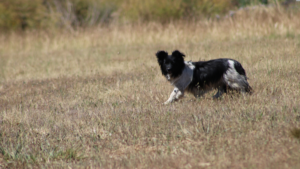
The Outdoor Problem: Why Dogs Ignore You Outdoors
Dogs are citizens of the world. They live in their smells, they see everything with you, and they listen to your cues about what to do. But inside your house is very different from the outside world.
If your dog ignores commands outside, it’s usually because there’s far too much stimulation outdoors.
Think about it: inside, your dog knows where their toys are, where their food is, and where you and your family spend most of your time. Outside, there are new and exciting smells, people, animals, and sights.
Outside, your dog could be experiencing:
-
Exciting smells like other dogs, food, wildlife, or grass
-
Visual stimulation like people walking by, bikes, squirrels, and cars
-
Loud noises like barking dogs, honking cars, and playgrounds
-
Space to roam freely
All this new stimulation can cause your dog to switch their brain from “listening to you” mode to “exploring everything” mode. Even well-trained dogs can slip up when distractions are high.

Common Reasons Dogs Don’t Listen Outdoors
Now that we understand how different the outdoors is for dogs, let’s explore why dogs often ignore commands outside.
1. Distraction
Dogs love to sniff everything. Outside, their noses are constantly taking in new scents. If you tell your dog to do something that requires them to stop sniffing, sniffing usually wins.
2. Lack of Motivation
Dogs love to please their pack leaders, but if following your command isn’t rewarding enough outdoors, they may choose more exciting activities like sniffing or chasing squirrels.
3. Lack of Training
Many dogs are trained primarily inside the house. Commands like “sit” may work indoors, but outside? Not necessarily. Dogs need to learn that commands apply everywhere—a process called “generalization.”
4. Fear
Some dogs are anxious in new places or around unfamiliar people. Fear can make them freeze or focus on what scares them, rather than listening to you.
5. Testing Boundaries
Dogs are smart. If they think they can get away with ignoring you, they may test your limits and choose not to respond.
How Dogs Learn (& Why Commands Change Outside)
Dogs learn through repetition, reward, and association. When you give a command indoors and follow it with praise or a treat, your dog creates an association: “When I hear ‘sit,’ I sit, and good things happen!”
Dogs also associate commands with specific locations. Your dog may know that “sit” happens in the kitchen. Outside, however, they have to process new sights, smells, and sounds, which can make it harder to remember what you want.
Dogs also pick up on your energy. If you’re frustrated or irritated because your dog is ignoring you, they can sense it, which may make them even less likely to listen.
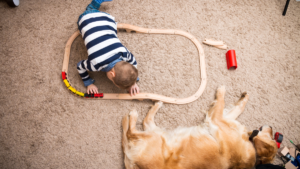
Training Your Dog to Respond to Commands Outside
The good news is that you can train your dog to obey outdoors! Here are some practical strategies.
Start Indoors
Because dogs often associate commands with specific rooms, begin by practicing commands indoors with added distractions. Toss toys around, have people walk through the room, or allow other mild distractions. Over time, your dog will learn that they must obey commands even with distractions present.
1. Practice Indoor Commands with Added Distractions
Once your dog obeys commands indoors consistently with distractions, move to a quiet outdoor space. Gradually increase distractions as your dog improves.
2. Use High-Value Rewards
Kibble may work indoors, but outdoors it often isn’t motivating enough. Use high-value treats like small pieces of cooked chicken, favorite toys, or enthusiastic praise to reward your dog.
3. Keep Training Sessions Short
Long sessions can be overwhelming. Keep outdoor training short and fun—5–10 minutes, several times a day—and always end on a positive note.
4. Practice Recall First
“Come” is often the hardest command outdoors. Practice recall using a long leash so your dog has freedom but still returns to you. Reward generously with praise and high-value treats. Avoid calling your dog when you’re frustrated.
5. Train Your Dog to Focus on You
Commands like “watch me” or “look at me” teach your dog to focus on you despite distractions. Start indoors, then gradually add distractions as your dog improves.
6. Always Be Consistent
Use the same commands, tone, and rewards consistently. Inconsistent rules confuse dogs and make outdoor obedience harder.
7. Tire Them Out Before Training
A dog with excess energy has difficulty focusing. Take your dog for a short walk or play a quick game before training sessions to help them concentrate.
Dog Personalities Can Influence Training
Some dogs are naturally more independent or have a stronger prey drive, making them more prone to ignoring commands outside. Understanding your dog’s personality can help you tailor your training approach, whether it means shorter sessions, more motivation, or slower exposure to distractions.

Training Mistakes to Avoid
-
Yelling or getting angry—dogs sense your agitation and may shut down or ignore you.
-
Using low-value rewards—save boring kibble for meals and use treats your dog loves during training.
-
Expecting immediate results—generalizing commands takes time, so be patient.
-
Allowing your dog to disobey—consistency is key; don’t let them get away with ignoring commands.
When to Contact a Professional
If your dog still ignores commands outdoors despite your best efforts, it may be time to consult a professional trainer. They can:
-
Assess your dog’s behavior and personality
-
Teach advanced recall techniques
-
Address fear, anxiety, or aggression
-
Provide structured outdoor training sessions
Professional guidance can save time, reduce frustration, and ensure your dog stays safe during outdoor adventures.
Final Thoughts
Dogs ignore commands outside primarily due to distractions, instincts, lack of motivation, or insufficient training. By understanding these factors and using consistent, positive training techniques, you can help your dog respond reliably outdoors.
Remember, patience is key. Training takes time, but with persistence, you and your dog can enjoy stress-free walks, trips to the park, and outdoor play. Stick with it, and you’ll be calling your dog with confidence—and getting them to listen!
Save pin for later


- Dog Nutrition Guide for Better Health and Energy - May 23, 2026
- How to Keep Your Cat Healthy and Active at Home - May 17, 2026
- Dog Health Tips for Indoor and Apartment Living - May 17, 2026