
Your dog shouldn’t be barking at night. Unfortunately, many dogs bark at night quite frequently. Hearing them bark loudly and incessantly throughout the night can be frustrating for anyone. But why do dogs bark so much at night anyway?
We’ve compiled as many reasons as we could think of to explain why your pup barks at night. We’ll discuss why your dog barks at night, the signals they’re trying to send you, and, finally, solutions you can use to stop your dog from barking at night once and for all.

1. Dogs Bark at Night Because It’s Instinctual Behavior
Believe it or not, your dog isn’t just relaxing in your home. Sure, they may look perfectly content sprawled across your living room floor all day, but dogs still have wild instincts. In the wild, dogs often bark at night to protect their territory.
Your dog views your home and yard as their territory. Naturally, at night, when there are fewer distractions and unusual noises stand out more, they’ll bark to alert you to potential disturbances. If your pup hears a creaky floorboard or rustling bushes outside, they might bark because they want to warn you.
Typically, herding dogs and guard dogs bark at night more frequently. Dogs like German Shepherds or Doberman Pinschers will react to any small disturbance outside. Herding dogs, on the other hand, may bark at night due to anxiety or boredom.
2. Your Dog Might Be Lonely
Dogs are pack animals by nature, which means they love being around you! They may tolerate spending a few hours alone during the day, but once the sun goes down, they may feel anxious or lonely.
This is especially true if you’ve recently adopted your dog or if someone in your household used to spend more time with them at night. Your pup may bark to let you know they need some extra attention and reassurance.
If your dog is lonely at night, they may start off by whining softly. If you don’t respond, the whining can escalate into prolonged barking. Dogs with separation anxiety may also pace the floor, scratch at doors, or try to escape their crate.
When dogs bark at night out of loneliness, it’s important to console them. Try cuddling with your dog or providing them with a piece of your clothing so they can sleep with your scent overnight. You can also leave them with a favorite blanket or toy to keep them company while you sleep.
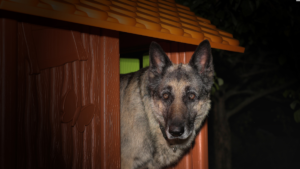
3. Dogs Bark Because They Want Attention
Sometimes, dogs bark simply because they know it will get your attention. If you scold your dog when they bark at night, they may interpret it as you coming to interact with them and continue the behavior.
Attention-seeking dogs often bark at consistent times during the night. For example, if you’re settling down to watch TV before bed and your dog starts barking at the same time every night, they may be doing it for attention.
Solution: Ignore your dog when they bark at night and reward them when they are quiet. Practice positive training exercises and establish a nighttime routine so your dog knows when it’s time to sleep.
4. Dogs Hear Things We Don’t Notice
Dogs have a much keener sense of hearing than humans. While you might not hear every little sound outside, your dog will, which means they might bark at things we don’t even notice. Dogs can also hear higher-pitched sounds that are completely inaudible to humans.
If your dog starts barking at night, observe to see if anything outside caught their attention. Common nighttime triggers include:
-
Neighbors walking past your home
-
Cars or bicycles driving by
-
Neighbors talking on their porch
-
Animals such as raccoons, possums, or birds
-
Fireworks
-
Sirens
The best solution is to provide a quiet, dark sleeping area or block your dog’s view of the outside. Some dogs react to things outside after they’ve already started barking. Moving their bed to a room without windows or using a white noise machine can help drown out unfamiliar sounds.

5. Medical Problems
Sometimes dogs bark at night because they are in pain or dealing with a medical issue. Older dogs, for example, may develop confusion at night and become easily agitated, which can trigger barking.
This is known as canine cognitive dysfunction, which is similar to dementia in humans. Dogs may also bark due to:
-
Arthritis
-
Urinary tract infections
-
Loss of hearing or eyesight
If your dog suddenly starts barking more than usual at night, consult your veterinarian. While it may not be a medical issue, it’s always better to be safe than sorry.
6. Dogs Bark at Night Because They’re Bored
Some dogs don’t receive enough mental or physical stimulation during the day. When puppies or high-energy dogs aren’t given enough exercise, they often bark at night out of boredom or frustration.
Ensure your dog gets long walks and mental stimulation during the day. Mental stimulation can include puzzle toys, scent games, or training exercises that challenge your dog to think.
Some owners have noticed that a short walk after dinner significantly reduces nighttime barking. This could work for your dog, too!
Tips to Stop Your Dog from Barking at Night
Once you understand why your dog barks at night, you can take steps to reduce it. Here are some effective strategies:
A. Create a Comfortable Sleeping Space
A cozy, secure sleeping area will help your dog feel safe at night. Some dogs prefer crates, while others enjoy sleeping on the floor. Make sure the area is quiet and away from the busiest parts of your home. Adding a blanket or dog sweater can also provide extra comfort.
B. Establish a Routine
Feed, walk, and play with your dog around the same time every day. Create a set bedtime so your dog knows what to expect. Dogs thrive on routine and feel more secure when their day is predictable.
C. Provide Plenty of Exercise
A well-exercised dog is less likely to bark out of boredom or excess energy. Take long walks, play fetch, teach tricks, or try agility exercises. Physical activity and mental stimulation during the day will help your dog rest at night.
D. Train Your Dog to Be Quiet
Teaching a “quiet” command is an effective way to stop nighttime barking. Practice during the day by saying “quiet” when your dog barks and rewarding them when they stop. It may take time, but consistent training can reduce nighttime barking.
E. Don’t Reward Attention-Seeking Barking
If your dog barks for attention at night, do not give in. Consistently ignoring barking may be difficult at first, but your dog will eventually learn that barking does not lead to attention.
F. Consult a Veterinarian
If you suspect medical issues may be causing nighttime barking, schedule an appointment with your veterinarian. Dogs may vocalize because they are uncomfortable or in pain, and a vet can help address underlying health issues.
Consult a Professional Trainer
If your dog’s nighttime barking persists despite your efforts, a professional dog trainer or behaviorist can help. Trainers can evaluate your dog’s behavior, environment, and triggers to create a personalized plan.
For severe anxiety-related barking, an animal behaviorist may be necessary. They can use advanced training techniques and assess whether your dog may benefit from medication to help them rest at night.
Conclusion
There are many reasons your dog barks at night, and most have simple solutions. Remember, dogs aren’t barking to be annoying—they’re trying to communicate with you.
Some dogs need more love and attention, while others may be signaling a medical issue. Observe your dog to understand why they bark at night, and implement the tips above to help them—and you—get a better night’s sleep.
Save pin for later


- Dog Nutrition Guide for Better Health and Energy - May 23, 2026
- How to Keep Your Cat Healthy and Active at Home - May 17, 2026
- Dog Health Tips for Indoor and Apartment Living - May 17, 2026