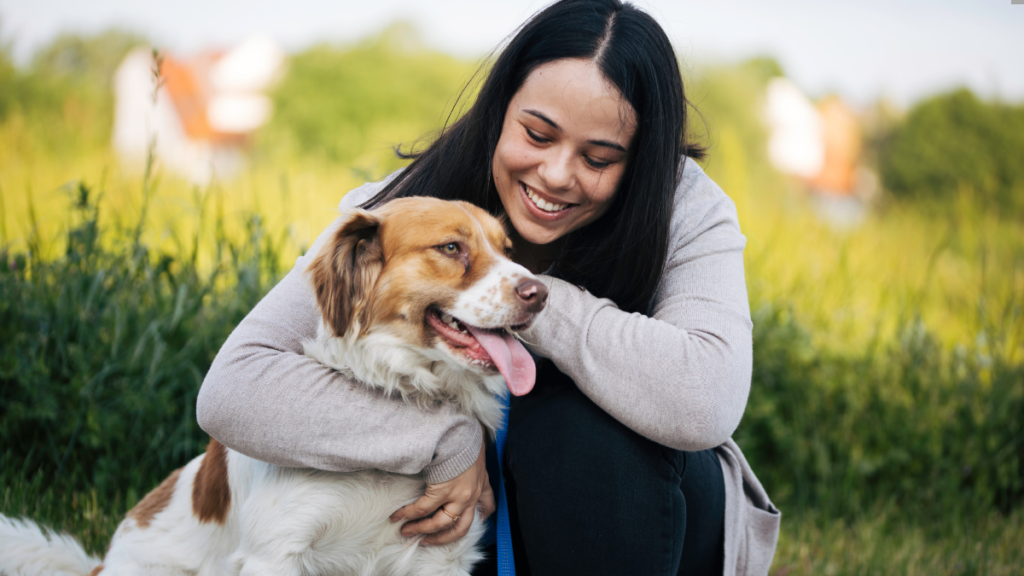
Training your dog’s manners isn’t just convenient—it makes every interaction more enjoyable. If you dread visitors because your dog jumps, mouths, or rushes them as they walk through the door, training polite greetings will change everything.
Knowing how to train your dog greetings will help you raise a relaxed dog that feels confident around new people. With dedication, consistency, and these training tips, you can teach any dog polite greeting behavior.
Whether your dog is a playful puppy or a stubborn adolescent, this easy-to-follow guide offers practical, humane advice for dog parents of all experience levels.
Why Teach Your Dog Greetings?
Greetings are important for your dog’s safety and social skills. Dogs that jump can easily knock over small children, older adults, or anyone startled by sudden movements. Even friendly, exuberant dogs can intimidate guests.
Training your dog to greet politely also helps them:
-
Stay calm during exciting situations
-
Have positive experiences with new people
-
Develop impulse control
-
Build trust with others
When people know your dog greets politely, they’ll feel more comfortable visiting your home. Well-mannered dogs also enjoy more freedom and social interaction.
How Dogs Naturally Greet
Training greetings is easier when you understand how dogs naturally interact. Dogs greet by sniffing, circling, and approaching calmly. Jumping is not a natural canine greeting—it’s a learned behavior that humans often reinforce accidentally.
You might think, “My dog jumps up when I pet them!” But when your dog jumps and you pet, talk to, scold, or even push them away, that’s still attention. When this happens repeatedly, dogs learn that jumping works.
Training polite greetings simply replaces jumping with a more appropriate learned behavior.
Common Mistakes Owners Make When Teaching Greetings
The first step to solving a problem is identifying it. Here are common greeting behaviors owners want to eliminate:
-
Jumping on guests
-
Barking when the door opens
-
Rushing toward visitors
-
Mouthing hands, hair, or clothing
-
Ignoring owner cues when excited
These behaviors are not signs of stubbornness or disrespect. Dogs behave this way because they are overexcited or haven’t learned self-control yet. With proper training, greeting manners can improve quickly.
Foundation: Teaching Your Dog to Be Calm First
Your dog should already have basic calm behaviors before working on greetings. Without this foundation, polite greeting training will be more difficult.
Your dog should know how to:
1. Sit on Command
This is one of the most useful skills you can teach. Jumping and sitting can’t happen at the same time, making sit the perfect alternative behavior.
2. Focus and Attention
Your dog should be able to make eye contact when asked. This helps redirect their attention from the guest to you.
3. Reward Calm Behavior
Many dogs are unintentionally rewarded for excitement. Make a habit of rewarding calm behaviors such as:
-
Sitting or lying down to greet someone
-
Greeting without jumping
-
Coming calmly when called
Step-by-Step Guide: Teach Your Dog Polite Greetings Indoors
Let’s get into the practical steps for learning how to train your dog greetings. Start practicing indoors where distractions are minimal.
Step 1: Practice With Fake Guests
Begin training when no one is actually visiting. Ask family members to help.
-
Keep your dog on a leash
-
Ask your dog to sit
-
Have the “guest” approach calmly
-
Reward your dog if they stay seated
-
If they jump, the guest turns away and ignores them
Repeat until your dog automatically sits when someone approaches.
Step 2: Use the “Four on the Floor” Rule
Your dog only gets attention when all four paws are on the ground.
-
No petting, talking, or eye contact when jumping
-
Yes to immediate praise and rewards for calm behavior
Everyone your dog meets must follow this rule for training to succeed.
Step 3: Add Real-Life Distractions
Once your dog greets calmly at home, gradually increase difficulty.
Practice greetings:
-
At the front door
-
On walks
-
In new environments
Expect small setbacks. New people and places are exciting, so slow down and reward more frequently.
Use Sit as a Greeting Behavior
Teaching your dog to sit automatically during greetings simplifies training.
-
Ask your dog to sit before being petted
-
Reward immediately
-
If they jump, the person turns away
-
Repeat until your dog remains calm
Teach Your Dog to Greet Strangers
Greeting strangers politely often takes more time.
To help:
-
Ask friends or family to assist with training
-
Explain the rules clearly before they approach
-
Keep your dog on a leash at first
-
Advocate for your dog—don’t allow jumping to be rewarded
Your dog’s training comes before anyone’s desire to pet them.
Bonus: What to Do If Your Dog Gets Overexcited Easily
Some dogs overstimulate quickly. If that happens:
-
Increase exercise before training
-
Keep sessions short
-
Accept small improvements
Overexcitement isn’t defiance—it’s a learning opportunity.
Timing & Rewards When Training Greetings
Reward timing is critical. Always reward immediately when your dog shows correct behavior.
Good rewards include:
-
Kibble
-
Soft treats
-
Small training treats
-
Calm verbal praise
Avoid:
-
Yelling
-
Pulling on your dog
-
Excited voices
-
Rough play
These increase excitement and slow progress.
Mistakes to Avoid When Training Your Dog to Greet People
One of the biggest mistakes owners make is expecting fast results. Training manners takes time.
Progress may be slow at first, but consistency matters more than speed. Every dog learns at their own pace.
Teaching Children to Greet Dogs the Right Way
Children should also learn how to greet dogs safely.
Teach kids to:
-
Stand still until the dog is calm
-
Avoid running or dragging hands
-
Pet under the chin or on the chest
This protects both the child and the dog.

Greetings on Walks
Greeting on walks can be challenging.
Tips:
-
Ask for a sit before greeting
-
Keep the leash loose
-
Step on the leash if needed to prevent jumping
-
Reward calm behavior
How Long Will Training Take?
There’s no exact timeline. Some dogs improve in weeks, others take months—especially:
-
Puppies
-
High-energy breeds
-
Dogs with past negative experiences
How to Maintain Your Dog’s Behavior Long-Term
Training doesn’t stop once your dog learns polite greetings.
-
Occasionally reward good greetings
-
Practice with new people
-
Refresh training if jumping returns
Revisiting how to train your dog greetings ensures lasting success.
Closing
Good manners keep dogs safe and help others trust them. Knowing how to train your dog greetings will benefit your dog for their entire life.
With patience, consistency, and realistic expectations, your dog can learn to greet politely every time.
Save pin for later

- Dog Nutrition Guide for Better Health and Energy - May 23, 2026
- How to Keep Your Cat Healthy and Active at Home - May 17, 2026
- Dog Health Tips for Indoor and Apartment Living - May 17, 2026