
Digestive problems are key players in your dog’s overall health. In fact, when your dog’s digestion isn’t functioning optimally, you’ll likely notice changes in energy, demeanor, stool output, appetite, or comfort very quickly. With digestive issues especially, many people want options that gently support healing without relying on medication whenever possible.
Choosing foods that work with your dog’s natural biology to prevent and manage digestive upset is one approach many pet parents turn to.Before getting into natural ways you may be able to help your dog, it’s important to understand which digestive problems are most common in dogs and what causes them.
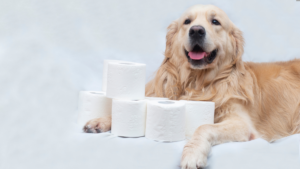
1. Dog Digestive Problems: Diarrhea
What it is
Diarrhea in dogs refers to loose, watery, or frequent stools. It can appear suddenly or develop gradually over time.
Common causes
-
Changes in diet
-
Eating trash or expired food
-
Stress or excitement
-
Food intolerance
-
Minor illnesses or intestinal worms
Occasional diarrhea often resolves on its own. However, if diarrhea becomes ongoing or stools never seem to firm up, your dog may be at risk of dehydration and nutrient loss.
Natural support options
-
Temporarily transition to a bland diet. A combination of white rice and boiled chicken is commonly used.
-
Add fiber to help solidify stools. Plain pumpkin is a popular choice.
-
Ensure your dog has access to plenty of fresh water.
Sometimes diarrhea happens overnight or suddenly after your dog eats something they shouldn’t. However, if diarrhea persists for more than a day or two, contains blood, or is accompanied by lethargy, contact your veterinarian.
2. Dog Digestive Problems: Constipation
What it is
Constipation occurs when your dog strains to pass stool or produces small, hard stools only every few days.
Common causes
-
Inadequate water intake
-
Low-fiber diet
-
Inactivity
-
Hairballs or ingestion of foreign objects
Constipation is less common than diarrhea but can still be uncomfortable and lead to excessive straining.
Natural support options
-
Increase stool moisture by adding water or broth (ensure it contains no onion or garlic).
-
Add fiber to the diet to naturally stimulate bowel movements. Pumpkin and many vegetables can help.
-
Increase activity levels to encourage normal gut movement.
If you suspect your dog is constipated, increasing water intake and monitoring stool output can help determine whether a veterinary visit is needed.
3. Dog Digestive Problems: Vomiting
What it is
Vomiting occurs when dogs expel stomach contents forcefully. While occasional vomiting can happen for various reasons, frequent vomiting is not normal.
Common causes
-
Eating too quickly
-
Eating inappropriate items
-
Motion sickness
-
Food intolerance
-
Illness
If your dog vomits once and seems fine afterward, it may have been due to eating too quickly. Dogs prone to motion sickness or those who eat table scraps may vomit occasionally as well. If vomiting occurs frequently, dietary changes or a veterinary visit may be necessary.
Natural support options
-
Use slow-feeding bowls to reduce rapid eating and air intake.
-
Feed smaller meals more frequently.
-
Simplify the diet by limiting ingredient variety to identify potential triggers.
Contact your veterinarian if vomiting is forceful, bloody, painful, accompanied by fever, or followed by refusal to eat or drink.
4. Dog Digestive Problems: Excessive Gas
What it is
Gas is normal in dogs, but it becomes a concern if it occurs frequently, smells unusually foul, or causes abdominal discomfort.
Common causes
-
Foods with fermentable ingredients
-
Eating too quickly
-
Hard-to-digest protein sources
-
Abrupt food changes
Gas can be uncomfortable for both dogs and their humans. In severe cases, excessive bloating can be life-threatening, especially in large breeds prone to gastric dilatation-volvulus (GDV).
Natural support options
-
Choose diets with fewer fillers.
-
Consider adding a probiotic to support healthy gut bacteria.
-
Feed meals at consistent times each day to keep digestion regulated.
Gas should subside within a few days once the trigger is removed. If your dog experiences sudden abdominal swelling or severe discomfort, seek emergency veterinary care immediately.

5. Dog Digestive Problems: Food Sensitivities and Allergies
What it is
Food sensitivity means your dog has difficulty digesting certain ingredients, most commonly proteins or additives.
Common signs
-
Chronic diarrhea or consistently soft stools
-
Vomiting
-
Gas
-
Itchy skin or ears
Food allergies involve an immune system response, while food sensitivities do not. However, both can produce similar symptoms.
Natural support options
-
Feed a limited-ingredient diet to help identify triggers.
-
Consider novel proteins—meat sources your dog has never eaten before.
-
Transition foods slowly to allow gut bacteria time to adapt.
Identifying food sensitivities can take time, so patience and careful observation are key.
6. Dog Digestive Problems: Intestinal Worms
What it is
Intestinal parasites such as roundworms, hookworms, whipworms, and giardia live in your dog’s digestive tract and compete for nutrients.
Common signs
-
Chronic diarrhea
-
Weight loss despite normal appetite
-
Dry, dull coat
-
Pot-bellied appearance (especially in puppies)
Puppies and dogs that explore contaminated environments are most commonly affected. Always discuss deworming with your veterinarian, as medications must be used correctly to be safe and effective.
Natural support options
Intestinal parasites cannot be treated through diet or supplements alone. However, you can support overall digestive health during recovery.
-
Practice clean feeding habits. Wash food and water bowls regularly and provide fresh food and water.
-
Support immune health through proper nutrition and reduced stress.
Only a veterinarian can diagnose intestinal parasites and prescribe the appropriate medication and dosage.

7. Dog Digestive Problems: Inflammatory Bowel Disease (IBD)
What it is
IBD is a chronic condition involving inflammation of the digestive tract. It affects how dogs digest food and absorb nutrients.
Common signs
-
Chronic diarrhea
-
Vomiting
-
Weight loss
-
Poor appetite
There is no cure for IBD, and symptoms may fluctuate over time.
Natural support options
-
Feed highly digestible foods that are gentle on the gut.
-
Supplement with omega-3 fatty acids to help manage inflammation.
-
Reduce stress by maintaining a consistent daily routine.
IBD should always be managed in partnership with a veterinarian. Medications may be necessary during flare-ups, even when natural support is part of daily care.
Additional Natural Ways to Support Digestive Health in Dogs
If your dog experiences digestive issues regularly, these general strategies may help reduce flare-ups:
-
Avoid frequent changes to food, routine, or environment. Gut bacteria thrive on consistency.
-
Feed high-quality, easily digestible ingredients. Diets overly high in fiber, grains, or complex carbohydrates can overwhelm sensitive systems.
-
Monitor stool quality. Occasional changes are normal, but repeated soft stools can signal an underlying issue.
Many pet parents support digestive health by prioritizing whole foods, consistent feeding schedules, and ample access to fresh water. This approach often focuses on long-term stability rather than quick fixes.
Conclusion
You may have heard the phrase, “Digestive issues are the root of all disease.” While that’s an oversimplification, digestive symptoms often point to underlying problems. The longer issues persist, the more difficult it can be to identify the cause.
If your dog experiences severe symptoms or persistent digestive issues, contact your veterinarian. You know your dog best, and early intervention can make a big difference.
Save pin for later

- Dog Nutrition Guide for Better Health and Energy - May 23, 2026
- How to Keep Your Cat Healthy and Active at Home - May 17, 2026
- Dog Health Tips for Indoor and Apartment Living - May 17, 2026