
Skin irritation in dogs can occur for many of the same reasons it occurs in people. Dry skin from weather, allergens from seasonal plants, grass, minor bug bites, or irritation from something that came into contact with their skin can all cause discomfort.
When your pup has minor skin irritation, you may want to try treating them with something mild and made from household ingredients before reaching for medicated products. Baking soda is a popular topic when it comes to How to Use Baking Soda to Help With Minor Dog Skin Irritation. In this article, we will go over the reasons baking soda can help in certain situations and how you can use it safely and responsibly.
Quick Note About Dog Skin Irritation
Before we dive into home remedies, it’s important to clarify what we are treating. Below is a quick rundown of what minor skin irritation is—and what it is not.
Examples of Minor Skin Irritation
-
Sprained paw
-
Minor bug bites
-
Dry skin
-
Paw irritation from grass
-
Skin irritation after bathing or grooming
-
General irritation from pollen or dust
Minor skin irritation does not significantly change your dog’s behavior, eating habits, or energy level. While your dog may scratch or bite at the affected area, it should not involve large patches of redness, hair loss, or open wounds.
When NOT to Use Baking Soda
Do not use baking soda if your dog has:
-
Open wounds or raw, broken skin
-
Hot spots that are wet or draining
-
Severe redness, swelling, or hair loss
-
Pain, lethargy, loss of appetite, or fever
-
Repeated or chronic skin irritation
If your dog has any of the symptoms listed above, you should always seek help from your veterinarian. Baking soda should never be used as a substitute for professional care and is only recommended for minor, temporary irritation.
Why Baking Soda Might Help With Minor Skin Irritation
For decades, baking soda has been used as a mild cleanser and toner for human skin. When used correctly, it may help dogs’ skin for several reasons:
-
Neutralizes irritants: Baking soda can help neutralize grass, pollen, and grooming product residue that may cause mild irritation.
-
Soothes: Dogs’ skin produces oils just like human skin. If your dog has slightly moist irritation (not an infection), baking soda can help absorb excess moisture and reduce itchiness.
-
Safe for dogs: Baking soda is generally safe for dogs when diluted properly and rinsed off thoroughly.
-
Cost-effective and convenient: Baking soda is inexpensive and commonly found in most households.
Always remember that baking soda should be used moderately and with caution.
Safety First!
Let’s review a few important safety rules:
-
Never allow your dog to ingest more than a small amount of baking soda—it can make them sick.
-
Avoid the face, nose, eyes, mouth, and genitals.
-
Do not use baking soda alone without diluting or mixing it. Never dry-rub baking soda onto irritated skin.
-
If you notice increased irritation, stop immediately.
-
Use baking soda only as a spot treatment and rinse your dog thoroughly with water afterward.
Now that we’ve covered safety, let’s talk about application.
How to Safely Use Baking Soda for Dogs’ Skin Irritation
Below are three safe methods you can use to help soothe your dog’s minor skin irritation.
Method 1: Spot Treating With Baking Soda Paste
This method is ideal for pinpoint irritation in one specific area, such as a paw, a small patch of irritated skin, or an area that came into contact with grass and won’t stop itching.
What You’ll Need:
-
Baking soda
-
Water
-
Small bowl
Instructions:
-
Mix equal parts baking soda and water to create a paste.
-
Apply the paste to the affected area.
-
Leave on for 10–20 minutes.
-
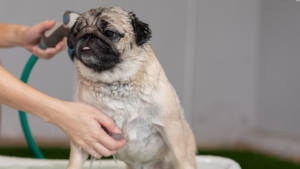
Rinse your dog with lukewarm water.
-
Pat dry.
Many homemade remedy discussions reference this method when explaining How to Use Baking Soda to Help With Minor Dog Skin Irritation.
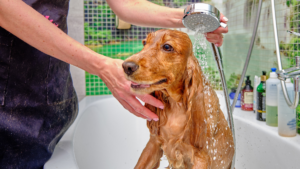
Method 2: Baking Soda Bath
If your dog has more widespread mild irritation, a baking soda bath may help.
What You’ll Need:
-
Bathtub or dog bathing area
-
Warm water (not hot)
-
½–1 cup of baking soda (depending on dog size)
Instructions:
-
Fill the tub with warm water.
-
Dissolve the baking soda completely in the water.
-
Bathe your dog, ensuring irritated areas are submerged.
-
Skip the head—avoid the eyes entirely.
-
Allow your dog to soak for 5–10 minutes.
-
Rinse thoroughly with clean water.
Do not mix baking soda with shampoo unless instructed by your veterinarian.
Method 3: Dry Baking Soda for Paws (Optional)
This method can help soothe mild paw irritation, especially after long walks or outdoor activity.
Instructions:
-
Dampen a clean cloth.
-
Sprinkle a small amount of baking soda onto the cloth.
-
Gently wipe your dog’s paws.
-
Rinse with water and pat dry.
Note:
This should be an occasional treatment only. Never apply baking soda between your dog’s toes if the skin is cracked or inflamed.
How Often Should I Use Baking Soda?
Moderation is key.
-
Spot treatments: Once every couple of days if needed
-
Baths: No more than once a week for temporary issues
-
Paw cleanings: Occasionally only—baking soda can dry out paw pads
Tips to Improve Your Dog’s Overall Skin Health
Grooming
Regular brushing helps remove allergens and debris. Always use dog-friendly shampoo when bathing. Avoid excessive bathing unless necessary.
Feed a Well-Rounded Diet
Dogs lacking proper nutrition may be more prone to skin irritation. Diets rich in omega-3 and omega-6 fatty acids support healthier skin.
Be Mindful of the Environment
Dogs can become irritated by pollen, road salt, or lawn chemicals. Rinse your dog after exposure to these irritants.
Clean Bedding Often
Vacuum and wash your dog’s bedding regularly to reduce dust, dander, and allergens.
Mistakes You Don’t Want to Make
When learning How to Use Baking Soda to Help With Minor Dog Skin Irritation, avoid these common mistakes:
-
Using too much baking soda: Stick to recommended amounts. More is not better.
-
Forgetting to rinse: Leftover residue can worsen itching.
-
Expecting baking soda to fix everything: If irritation lasts more than a few days or worsens, stop and consult your vet.
Signs It’s Time to See a Veterinarian
Contact your veterinarian if you notice:
-
Irritation worsening each day
-
Symptoms lasting longer than a few days
-
Allergic reactions
-
Constant scratching or licking
-
Visible wounds
While baking soda is generally safe, any severe reaction should be evaluated by a professional.
Can I Use Vinegar or Other Home Remedies With Baking Soda?
Vinegar is not recommended due to its high acidity. However, baking soda may be alternated (not mixed) with:
-
Plain water rinses
-
Vet-approved oatmeal baths
-
Dog-friendly soap or shampoo
Remember:
-
Never mix baking soda with vinegar
-
Essential oils can cause irritation and should not be used on dogs
Conclusion
Baking soda can be a helpful tool for soothing minor skin irritation in dogs when used correctly. Learning How to Use Baking Soda to Help With Minor Dog Skin Irritation allows you to address small issues safely and confidently. Knowing what qualifies as minor irritation—and when to seek veterinary care—can save time and prevent discomfort for your dog.
If you have concerns or questions, always consult your veterinarian. Home remedies should support professional care, not replace it.
Save pin for later

- Dog Nutrition Guide for Better Health and Energy - May 23, 2026
- How to Keep Your Cat Healthy and Active at Home - May 17, 2026
- Dog Health Tips for Indoor and Apartment Living - May 17, 2026