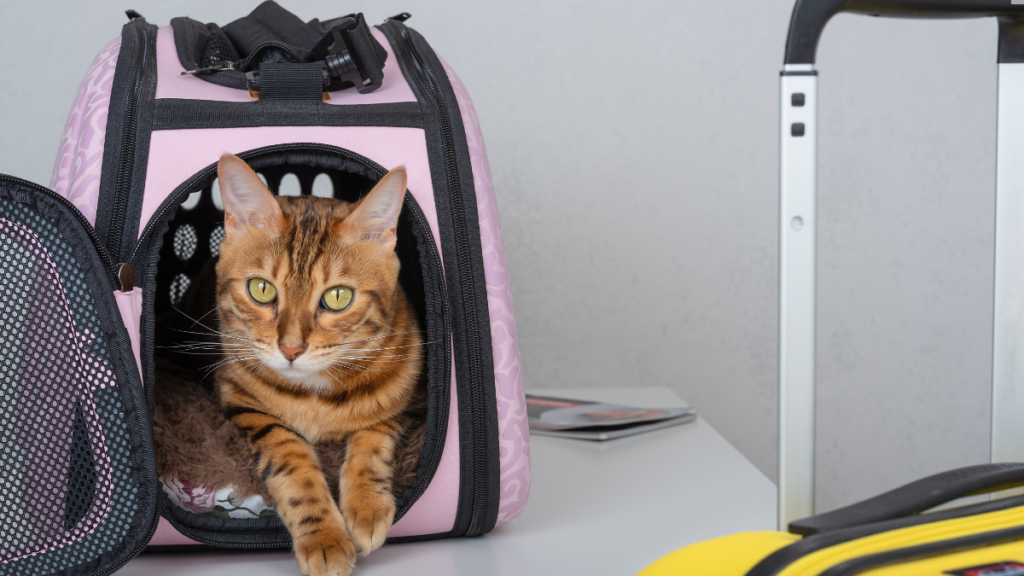
Traveling with pets is one of the most enjoyable aspects of pet ownership, but doing so with cats presents its own challenges and considerations. Cats tend to be less sociable and more sensitive to change than dogs. Learning how to travel with cats in the best way possible requires some research and thoughtfulness toward their needs.
Traveling with a cat can range from a cross-country move to a weekend trip to a friend’s house. In any scenario, your main goal is to minimize stress during transit—for both you and your cat. This article contains everything you need to know about traveling with cats.

Decipher Your Cat’s Travel Personality
Cats have different personality types, from naturally inquisitive and outgoing to reserved or easily stressed. Evaluating your cat’s travel personality will help you prepare appropriately before a trip:
-
Shy / Nervous: Cats with anxious personalities may be more prone to travel stress.
-
Bold / Adventurous: Curious, fearless, and independent cats may handle travel well.
-
Introverted: Calm and unexcitable cats may also adapt well to travel.
-
Extroverted: Active cats may have more energy, but could struggle with the constraints of traveling.
Observe how your cat typically responds to new stimuli, novelty, and change. Signs of stress include hiding or freezing in the carrier, excessive meowing or yowling, aggression, and refusing to eat or drink. If your cat falls into the shy, nervous, or introverted categories, make special preparations and gradually introduce them to travel.
Choose the Right Cat Carrier
A carrier is your cat’s safe space during transit, so choose one that is comfortable and secure. Consider the following:
-
Size: The carrier should allow your cat to stand, turn around, and lie down comfortably.
-
Material: Hard-sided carriers are ideal for air travel, while soft-sided carriers are convenient for car trips.
-
Ventilation: Ensure vents are unobstructed for proper airflow.
-
Access: Carriers with top openings make handling easier during travel.
Line the carrier with a familiar blanket, towel, or piece of your clothing to provide a comforting scent that soothes your cat.
Preparing Your Cat for Travel
Proper preparation is essential. These tips will help you and your cat get ready for the trip:
-
Vet Check: Ensure your cat is healthy for travel. Discuss vaccinations, medications, and motion sickness remedies.
-
Microchip and ID Tag: Microchip your cat (if not already done) and attach an ID tag to their collar with your phone number and destination address.
-
Familiarize With Carrier: Leave the carrier open in a common area with treats and toys to create a positive association.
-
Practice Runs: Take short car trips to help your cat get accustomed to travel.
-
Pack Essentials: Bring collapsible bowls, bottled water, extra food, a litter box and litter, medications, and a couple of toys to help your cat feel at home.
Staying Calm
Your demeanor affects your cat’s stress levels. Speak softly, move slowly, and remain relaxed before and during travel. Cats often mirror their owner’s emotions, so a calm attitude can help them feel secure.

Road Travel With Cats
Car travel gives you control over your cat’s environment. Keep these tips in mind:
-
Secure the Carrier: Place the carrier in the back seat and fasten it with a seatbelt. Never let your cat roam freely.
-
Maintain Comfort: Keep the temperature moderate and avoid loud noises. Do not leave your cat unattended in the car.
-
Take Breaks: For long trips, plan regular breaks. Never let your cat out of the carrier in unsecured areas.
Motion Sickness in Cats
Some cats experience nausea during travel. Signs include drooling, vomiting, excessive meowing, and restlessness. Consult your vet for remedies, including natural motion sickness aids. Avoid feeding your cat immediately before travel to reduce the risk of vomiting.
Flying With Cats
Air travel can be stressful and is generally less recommended for cats, but sometimes unavoidable.
-
Airline Policies: Check the airline’s pet policies. Small cats may fly in the cabin if kept in carriers under the seat; larger cats usually travel in cargo. Book early and confirm requirements.
-
Preparing Your Cat: Ensure the carrier meets airline specifications. Consult your vet about pheromone sprays or mild sedatives for highly anxious cats.
-
Flight Day Tips: Arrive early to avoid rushing. Line the carrier with absorbent pads for accidents and keep the carrier under the seat as required.
Hotel and Pet Accommodation Tips
Even brief stays in new environments can stress cats. Help them feel at home:
-
Set Up a Safe Space: Place the carrier or bed in a quiet corner with familiar blankets and toys.
-
Maintain Routine: Feed and play at usual times to reduce anxiety.
-
Controlled Exploration: Allow gradual exploration, but never leave your cat unsupervised in unfamiliar spaces.
Travel With Cats with Friends/Family
Traveling with friends or family can ease stress if your cat knows the people involved. Bring familiar items such as blankets, toys, litter, and food to maintain a sense of home.
Road Trip Hacks for Cats
For longer car journeys:
-
Travel Kit: Pack collapsible bowls, bottled water, extra food, litter, waste bags, and a first aid kit.
-
Temperature: Never leave your cat in a parked car, even briefly.
-
Breaks: Stop in quiet, secure locations and use a portable litter box.
-
Entertainment: Rotate toys or provide a window perch if your cat enjoys looking outside.
Watch for signs of stress such as pacing, tail flicking, excessive meowing, or licking. Be patient and attentive during and after the trip.
Settling Into a New Home / Location
Helping your cat adjust is crucial whether the move is permanent or temporary:
-
Safe Room: Keep your cat confined initially with all essentials. Gradually allow exploration of other areas.
-
Maintain Familiar Scents: Use the same bedding, toys, and litter box to provide continuity.
-
Routine: Stick to regular feeding and play schedules.
-
Patience: Cats may hide, hiss, or act aloof initially. Give them time—they’ll adjust in a few days.
Avoid These Common Mistakes
Common travel mistakes include:
-
Pressuring Interaction: Let your cat explore and interact at their own pace.
-
Abrupt Carrier Introduction: Never force your cat into a carrier without prior familiarization.
-
Skipping Water or Food: Ensure your cat stays hydrated and fed, especially on long trips.
-
Ignoring Vet Advice: Consult your vet for medications, safety tips, and travel guidance.
Conclusion
Traveling with cats can be highly rewarding if you approach it with preparation, patience, and an understanding of your cat’s personality. By knowing how to travel with cats, you can make journeys safer, more comfortable, and enjoyable for both of you. Remember, the journey is just as important as the destination—make travel a positive adventure, and your cat will thank you in their own way, with endless purrs.
Save pin for later

- Dog Nutrition Guide for Better Health and Energy - May 23, 2026
- How to Keep Your Cat Healthy and Active at Home - May 17, 2026
- Dog Health Tips for Indoor and Apartment Living - May 17, 2026