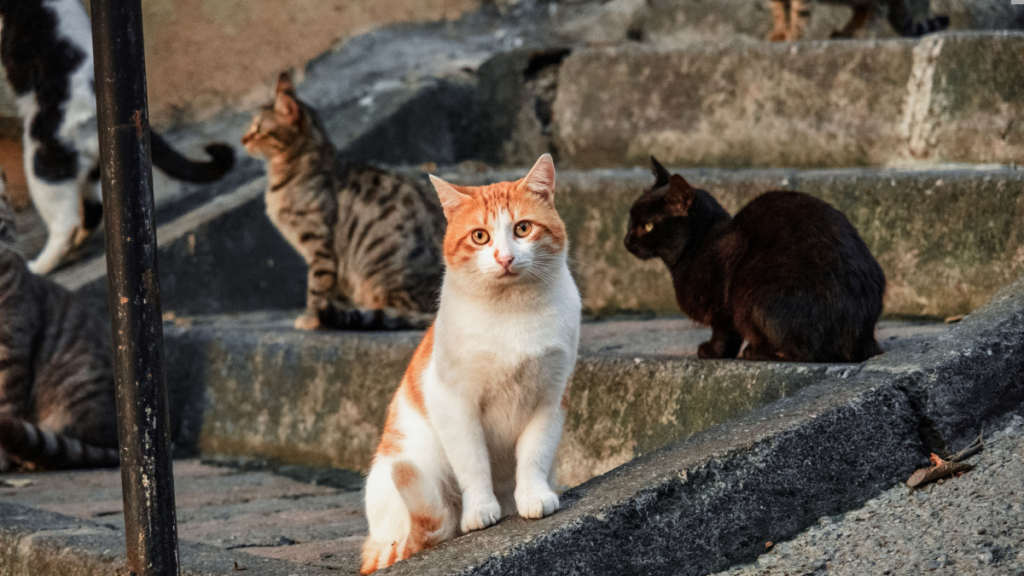
Cats are curious, playful, and intelligent creatures, and keeping them engaged and mentally stimulated is crucial for their overall well-being. One of the most exciting ways to do this at home is by building DIY cat obstacle courses.
These interactive and customizable setups are not only fun for your feline friend—they also promote exercise, improve agility, and help prevent boredom. Plus, putting together a course yourself can be a rewarding creative project, allowing you to tailor each obstacle to your cat’s personality and preferences.

Why Your Cat Needs an Obstacle Course
Cats are natural hunters, and even indoor cats retain this instinct, meaning they have a natural need to stalk, pounce, and explore. However, in a home environment, cats can become bored if they don’t have appropriate outlets for these predatory instincts. This can lead to issues such as weight gain, obesity, or behavioral problems like scratching furniture or excessive meowing.
The good news is that a DIY cat obstacle course is a perfect solution. It gives cats the opportunity to climb, jump, explore, and problem-solve while satisfying their natural instincts.
DIY Cat Obstacle Course Ideas and Benefits
Obstacle courses benefit cats in many ways, from providing physical exercise to reducing stress and anxiety. Here are some key advantages:
Physical Exercise
Jumping, climbing, and navigating tunnels is great exercise, helping cats stay fit and agile.
Mental Stimulation
Puzzle elements and varied textures challenge your cat’s mind and keep them mentally engaged.
Bonding Opportunities
Obstacle courses provide opportunities for interaction, allowing you to play with and encourage your cat through different elements.
Behavioral Improvement
Setting up a dedicated play area with obstacles can help reduce destructive behaviors, such as scratching furniture or chewing on items.
Confidence Building
Successfully navigating obstacles boosts confidence, which is especially helpful for shy or timid cats.
With all these benefits, it’s no wonder DIY cat obstacle courses are becoming increasingly popular among cat owners.
Planning and Building Your Cat Obstacle Course
Before you dive into building, follow these key steps to ensure a safe and enjoyable course:
Assess Your Space
Decide where your obstacle course will go. Will it be in a corner of your living room, a dedicated playroom, or along wall shelves? Knowing your space constraints helps you design a safe and manageable course.
Understand Your Cat
Cats have different play styles. Some love high climbs, while others prefer tunnels and hiding spots. Observing your cat’s behavior will help you create obstacles that are both fun and appropriate.
Gather Materials
DIY cat obstacle courses can be built from everyday household items or inexpensive materials. Some common elements include:
-
Cardboard boxes and tubes
-
Blankets and pillows
-
Wooden shelves and crates
-
Cat tunnels (store-bought or homemade)
-
Small platforms or stepping stones
-
Sisal rope for scratching posts
Safety is crucial—ensure all materials are non-toxic and stable.
Plan the Flow
Think about how your cat will move from one obstacle to the next. A well-designed course encourages exploration, climbing, and jumping without causing frustration or confusion.
Step-by-Step Guide to Building Your Cat Obstacle Course
Here’s a simple guide to creating a fun and safe course for your cat:
Step 1: Start with a Base
Choose a central area where your cat can start and finish the course. Place a soft mat or blanket as a base to provide a comfortable landing spot after jumps or climbs.
Step 2: Add Climbing Elements
Cats love vertical space. Add shelves, crates, or boxes for climbing, ensuring each level is stable and free of sharp edges. You can attach a rope or ramp to help older cats reach higher platforms.
Step 3: Include Tunnels and Hideouts
Cats enjoy enclosed spaces, so use cardboard boxes with holes cut in various places to create tunnels. Drape blankets over chairs or tables to create secret hideaways.
Step 4: Challenge with Jumps
Place small platforms or cushions a few inches apart to encourage jumping. Start low and gradually increase the height as your cat gains confidence. Ensure all landing areas are soft and secure.
Step 5: Add Puzzle Elements
Engage your cat’s mind by hiding treats inside boxes or under cups. You can also hang lightweight toys, like balls or feather wands, for them to bat at while navigating the course.
Step 6: Safety Check
Inspect the course for sharp edges, unstable surfaces, or small parts that could be swallowed. Supervise your cat during the first few sessions to ensure they are comfortable with the obstacles.
Creative Ideas for Your DIY Cat Obstacle Course
Take your course to the next level with these ideas:
-
Cardboard Castle: Build a multi-level fortress with cut-out windows and doorways for climbing and exploring.
-
Window Perch Challenge: Place shelves at varying heights near a window so your cat can safely watch the outside world.
-
Tunnel Maze: Connect multiple tunnels in a maze pattern and hide toys inside to encourage exploration.
-
Scratching Stations: Incorporate sisal-wrapped posts or cardboard scratch pads to satisfy scratching instincts.
-
Obstacle Jumps: Arrange boxes, cushions, or logs for jumping to boost agility.
-
Interactive Toys: Hang feather wands or lightweight balls from higher platforms for added play.

Rotate Obstacles to Keep Your Cat Interested
Cats can get bored if their obstacle course remains unchanged. Keep it fresh with these tips:
-
Rotate Elements: Move tunnels, platforms, or toys weekly for new challenges.
-
Adjust Heights: Change platform heights to encourage climbing and jumping.
-
Swap Toys: Introduce new toys or hide treats in different spots.
-
Training Opportunities: Guide your cat through the course with positive reinforcement using treats or praise.
Changing the course regularly keeps your cat stimulated and engaged.
DIY Cat Obstacle Courses on a Budget
You don’t need to spend much to create a fun course:
-
Repurpose Household Items: Cardboard boxes, paper bags, and old pillows are perfect.
-
Use Natural Materials: Wooden crates, branches, or bamboo sticks are safe and inexpensive.
-
Upcycle Furniture: Old chairs, shelves, or tables can become climbing platforms.
-
DIY Treat Dispensers: Small boxes or toilet paper rolls can hide treats as rewards.
A little creativity goes a long way in building a budget-friendly course.
Cat Obstacle Course Safety Tips
Safety should always come first:
-
Secure Platforms: Ensure shelves, boxes, or crates are stable.
-
Avoid Choking Hazards: Keep small parts, rubber bands, or loose strings out of reach.
-
Monitor Initial Use: Supervise your cat during the first sessions.
-
Soft Landing Areas: Use rugs, mats, or cushions under jumps and platforms.
-
Adjust for Age and Health: Older or less mobile cats may need lower obstacles or ramps.
-
Regular Maintenance: Inspect the course regularly and repair or replace worn items.
Encouraging Your Cat to Use the Course
Even the best course may need a little encouragement:
-
Treat Trails: Place treats along the course to entice exploration.
-
Interactive Play: Lead your cat through obstacles using toys.
-
Positive Reinforcement: Reward and praise successful navigation.
-
Be Patient: Some cats are cautious and need time to adjust.
Conclusion
DIY cat obstacle courses are a fun and engaging way to enrich your cat’s life. They can be as simple or as complex as you like, depending on space and available materials. Courses provide exercise, mental stimulation, and bonding opportunities between cats and their owners. With creativity, patience, and proper safety measures, you can design the perfect course for your cat to explore, climb, jump, and play on.
Save pin for later

- Dog Nutrition Guide for Better Health and Energy - May 23, 2026
- How to Keep Your Cat Healthy and Active at Home - May 17, 2026
- Dog Health Tips for Indoor and Apartment Living - May 17, 2026