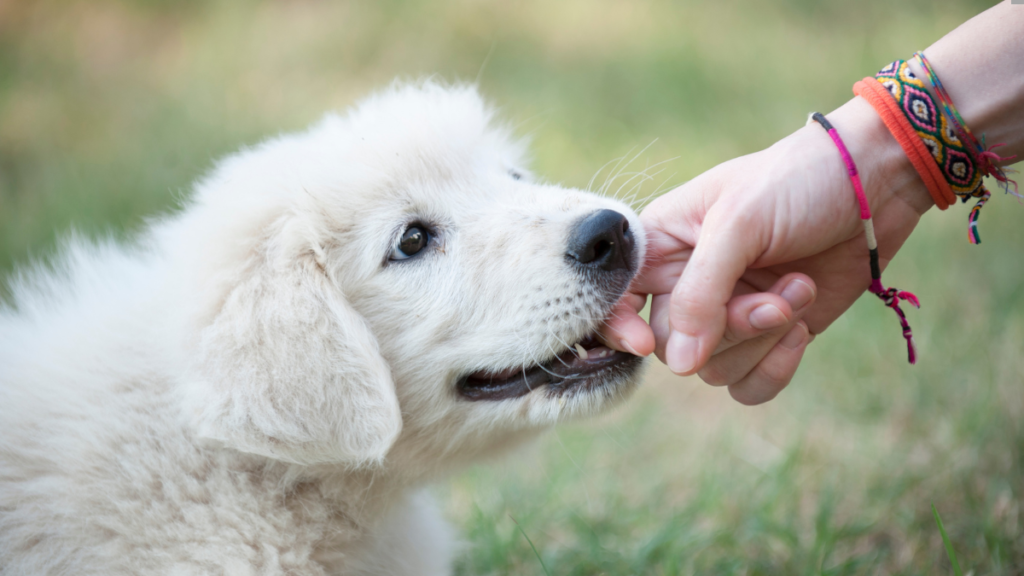
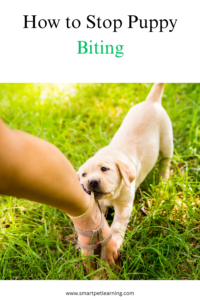
Getting a new puppy is one of the most exciting and rewarding experiences in life, but it can also be a bit overwhelming at times. Have you ever looked down at the little bundle of fur in your arms and thought to yourself, “Please don’t bite my hand?” If so, you are not alone! Almost every puppy owner has had to figure out the how to stop puppy biting puzzle at some point.
The good news is that puppy biting is totally normal and is part of the puppy developmental process. The key is understanding why puppies bite and how to respond correctly so that it doesn’t become a lifelong habit.It’s important to be consistent and clear with your puppy from the beginning so they learn what is acceptable and what isn’t.
Why Do Puppies Bite So Much?
Before we get into training methods, it’s important to understand that puppies aren’t just being mean when they bite—they’re actually playing, exploring, and learning about the world around them. Let’s look at the main reasons puppies love to use their mouths so much.
Reasons Puppies Bite
1. Teething Pain
Between 3 and 6 months of age, puppies start to lose their baby teeth and adult teeth begin coming in. Chewing and biting are natural ways for them to relieve discomfort.
2. Exploring the World
Puppies don’t have hands, so they use their mouths to explore objects, people, and textures instead. Your fingers are just one more interesting thing to investigate!
3. Play Behavior
In a litter, puppies learn how to play-bite with each other from a very young age. Bite inhibition, or controlling the strength of their bite, is a skill puppies develop through feedback from littermates.
When they join your home, you become their new playmate!
4. Overstimulation or Tiredness
A puppy who has gone beyond their limit for playtime can become very mouthy as a way of saying, “Hey, I need a nap!”
Normal Puppy Biting
-
Gentle nipping during play
-
Chewing on objects
-
Accidental nips when overly excited
Concerning Puppy Biting
-
Biting that breaks the skin
-
Growling with stiff body language
-
Fearful or guarding behavior
If you suspect biting is aggressive or intense, consult a professional dog trainer or veterinarian. For most puppies, biting is a temporary behavior that can be trained away.
What NOT to Do When Your Puppy Bites
Before getting into the solutions, it’s important to address common mistakes that often make puppy biting worse instead of better.
1. Yelling or Hitting
Shouting, spanking, or using harsh punishment can scare your puppy and may cause fear-based biting.
2. Using Hands as Toys
Playing roughly with your hands teaches puppies that hands are acceptable things to bite. Hands should never be toys.
3. “Cute Puppy” Syndrome
What seems adorable when they’re tiny won’t be cute when they’re fully grown. Avoid allowing bad behavior now just because they’re small.
4. Inconsistency
If biting is sometimes allowed and sometimes not, your puppy will be confused and struggle to learn boundaries.
Setting your puppy up for success means avoiding these mistakes from the start.
Proven Methods for How to Stop Puppy Biting
Now that we’ve covered what not to do, let’s explore the most effective, humane methods for teaching gentle behavior.
1. Bite Inhibition Training
One of the most important skills to teach your puppy is bite inhibition—learning to control the strength of their bite.
How to Teach Bite Inhibition:
-
When your puppy bites too hard, say “Ouch!” in a firm but calm voice
-
Stop playing and withdraw attention for 10–20 seconds
-
Repeat consistently
This teaches puppies that rough biting ends fun.
2. Redirect to Chew Toys
Redirecting your puppy to appropriate chew toys is one of the most effective ways to stop puppy biting.
Tips for Redirection:
-
Keep chew toys nearby at all times
-
Replace your hand with a toy when biting starts
-
Praise your puppy when they choose the toy
Frozen rubber toys, teething toys, and sturdy puppy chew bones work especially well.
3. Use Time-Outs Properly
Time-outs are not punishments—they’re opportunities for your puppy to calm down.
Correct Time-Out Procedure:
-
Calmly remove yourself from play if biting continues
-
Step behind a baby gate or into another room for 30–60 seconds
-
Return once your puppy is calm
Keep time-outs short, calm, and consistent.
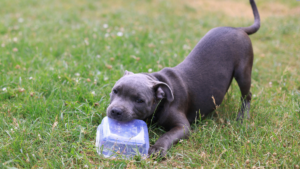
4. Provide Enough Exercise and Mental Stimulation
Puppies need both physical and mental stimulation to manage their energy and reduce mouthy behavior.
Daily Needs Include:
-
Age-appropriate walks
-
Interactive play sessions
-
Puzzle toys or treat dispensers
-
Basic obedience exercises
A tired puppy is a happy puppy—and mental exercise is just as important as physical activity.
5. Stick to a Routine
Puppies thrive on routine. A predictable schedule helps prevent overstimulation and frustration.
Daily Schedule Should Include:
-
Meal times
-
Playtime
-
Training sessions
-
Nap times
Remember, an overtired puppy is often a mouthy puppy.
Training Is the Key to Stopping Puppy Biting
Training is about more than commands—it’s about communication and teaching your puppy appropriate behaviors.
Teach Basic Commands
Commands like sit, stay, and leave it give your puppy alternatives to biting.
Reward Good Behavior
Praise, treats, and affection reinforce calm and gentle behavior. Positive reinforcement builds trust and speeds learning.
Keep Training Sessions Short
Aim for 5–10 minute sessions to keep training fun and effective.
Socialization 101
Socialization is a critical part of puppy development that many owners overlook.
Early exposure to different people, dogs, and environments helps puppies grow into confident, well-behaved adults.
Socialization Tips:
-
Arrange puppy playdates with vaccinated, well-mannered dogs
-
Introduce your puppy to a variety of people and environments
-
Enroll in puppy preschool or basic socialization classes
Well-socialized puppies are less anxious and less likely to bite out of fear.
Teething Solutions
Teething can be uncomfortable, but the right tools can help.
Safe Teething Options:
-
Frozen rubber toys
-
Chilled washcloths
-
Puppy-safe chew bones
Avoid very hard objects that could damage developing teeth.
How Long Does It Take to Stop Puppy Biting?
Most puppies show significant improvement by 5–7 months of age as teething ends and training takes effect.
Factors That Influence Progress:
-
Breed
-
Training consistency
-
Exercise and mental stimulation
-
Socialization
Puppy biting won’t disappear overnight, but it steadily improves with patience and guidance.
Frequently Asked Questions About Puppy Biting
Is puppy biting aggression?
No. Most puppy biting is playful or developmental.
Should I use bitter sprays on furniture?
They can help protect furniture but should not replace training.
Do I need professional training?
Not always, but professional help can be valuable if biting becomes persistent.
Seek help if biting includes:
-
Growling with stiff body language
-
Resource guarding
-
Breaking the skin
Early intervention prevents long-term issues.
In Conclusion
Congratulations on your new puppy and on taking the first steps to learn how to stop puppy biting. By staying patient, consistent, and understanding your puppy’s needs, you’ll build a strong foundation for a happy relationship.
Positive reinforcement, proper exercise, training, and socialization all play essential roles in raising a gentle, well-mannered dog. While puppy biting is a phase, it’s also a valuable learning opportunity.Stay calm, kind, and consistent—and one day, those sharp puppy teeth will be nothing more than a memory.
Save pin for later

- Dog Nutrition Guide for Better Health and Energy - May 23, 2026
- How to Keep Your Cat Healthy and Active at Home - May 17, 2026
- Dog Health Tips for Indoor and Apartment Living - May 17, 2026