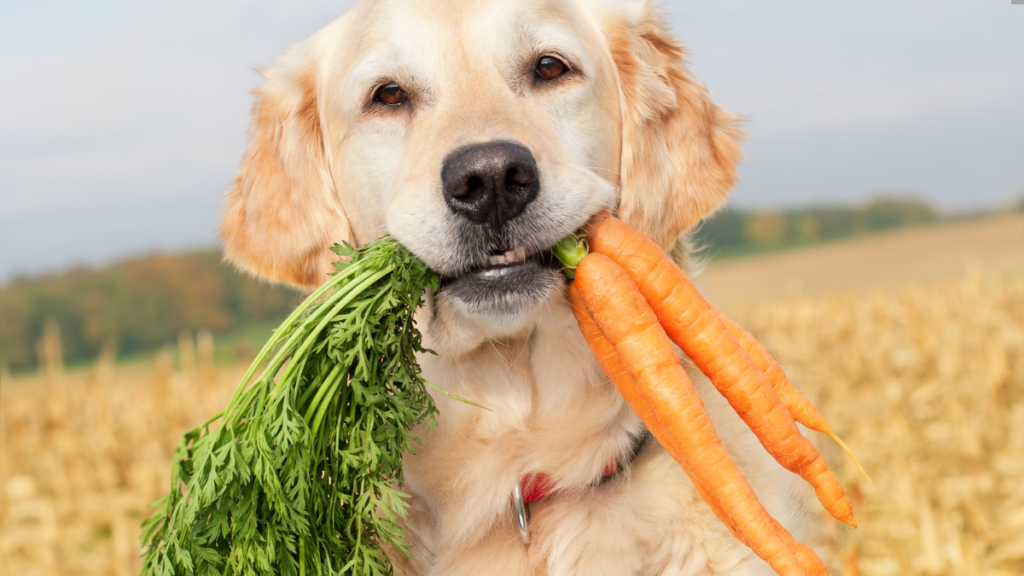
Dog owners always want the best for their pets. A balanced diet with all the necessary nutrients is essential for good health and energy. In addition to high-quality dog food, healthy snacks and vegetables can also be included in their diet. However, keep in mind that not all vegetables are dog-friendly, and some may even be toxic.
Why Should Dogs Eat Vegetables?
It’s no secret that dogs are primarily carnivores, so vegetables aren’t necessarily a required part of their diet. However, some nutrients are scarce in a meat-only diet, and vegetables provide an excellent source of these essential nutrients. Safe, healthy vegetables can be fed to dogs, but only certain types and with proper preparation.
Dog-friendly vegetables contain vitamins, minerals, antioxidants, fiber, and phytonutrients. Antioxidants and phytonutrients support the immune system, while fiber helps regulate bowel movements and maintain a healthy weight. Vitamins A, C, and K from vegetables contribute to healthy skin, a shiny coat, and strong immunity.
Vegetables also add variety to your dog’s diet, which can make meals more enjoyable. Some dogs love crunchy raw vegetables, others prefer steamed, and some might even enjoy a vegetable smoothie. Remember to include 10 vegetables dogs should eat and 2 to avoid in moderation for a balanced approach.
Top 10 Vegetables for Dogs
Here’s a list of the top 10 healthy vegetables for dogs and the benefits they provide:
-
Carrots
-
Sweet potatoes
-
Green beans
-
Pumpkin
-
Peas
-
Spinach
-
Broccoli
-
Zucchini
-
Cucumber
-
Bell peppers
Let’s take a closer look at each vegetable, its benefits, and how it should be fed to your dog.
1. Carrots
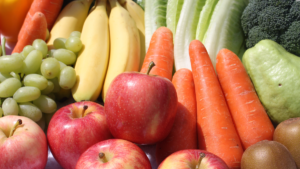
Carrots are rich in beta-carotene and vitamin A, which are excellent for vision, immune health, and skin health. They are low in calories, making them a perfect crunchy treat to keep your dog engaged and entertained. Dogs can eat carrots raw, sliced, or steamed.
Pro tip: Frozen carrot sticks are great for keeping teething puppies busy.
2. Sweet Potatoes
Sweet potatoes are high in fiber, vitamin A, and beta-carotene. They support digestion, immune function, and skin and coat health. Feed your dog cooked, mashed, and peeled sweet potatoes. Avoid adding butter, sugar, or spices.
3. Green Beans
Green beans are low in calories and high in fiber, making them ideal for weight management. They also provide vitamins C and K. Green beans can be served raw, steamed, or boiled. Avoid canned green beans with added salt.
4. Pumpkin
Pumpkin is rich in fiber and can help with both diarrhea and constipation. It also contains vitamins A and C and potassium. Dogs can eat baked pumpkin or plain canned pumpkin without additives.
Fun fact: Pumpkin seeds are safe in moderation and can support urinary health.
5. Peas
Peas are high in protein, fiber, and vitamins A, K, and B. Dogs can enjoy fresh, frozen, or cooked peas. Avoid canned peas that contain added salt. Peas also contain antioxidants that support immune health.
6. Spinach
Spinach is rich in iron, antioxidants, and vitamins A, C, and K. Lightly steamed spinach is easier for dogs to digest. Feed in moderation, as spinach contains oxalates, which can interfere with calcium absorption.
7. Broccoli
Broccoli is high in fiber and vitamin C and has anti-inflammatory properties that support the immune system. Serve broccoli steamed or raw, and in small quantities to prevent gas or bloating.
8. Zucchini
Zucchini is a low-calorie vegetable rich in vitamins A and C. It can be served raw, steamed, or baked. Its high water content makes it hydrating, and its mild flavor is generally appealing to dogs.
9. Cucumber
Cucumber is a crunchy, low-calorie snack high in water and fiber, making it excellent for weight management and hydration. Cut into small pieces to prevent choking.
10. Bell Peppers
Bell peppers are rich in vitamins A and C and antioxidants. Dogs can eat green, yellow, or red bell peppers, with red being the sweetest and most nutritious. Remove seeds and stems and cut into small pieces before feeding.
2 Vegetables to Avoid
Some vegetables that are safe for humans can be dangerous or toxic to dogs. The main vegetables to avoid are:
-
Onions – Onions can damage a dog’s red blood cells, leading to anemia. All forms, including raw, cooked, powdered, or dehydrated, are harmful.
-
Garlic – Garlic can cause gastrointestinal upset and red blood cell damage. It should never be given to dogs, even in small amounts.
Note: Other vegetables in the onion family, such as leeks and chives, are also toxic and should be avoided.
How to Safely Introduce Vegetables to Your Dog
Adding vegetables to your dog’s diet can be simple if done correctly:
-
Introduce one vegetable at a time in small amounts to monitor for reactions.
-
Some vegetables, such as sweet potatoes, carrots, and spinach, are easier to digest when cooked. Avoid adding salt, garlic, or onion.
-
Cut vegetables into appropriately sized pieces to prevent choking. Smaller pieces are better for small dogs.
-
Mix vegetables with regular food, or blend them into meals for easier consumption.
-
Feed vegetables in moderation so they complement, rather than replace, protein-rich foods.

Benefits of Feeding Vegetables to Dogs
Incorporating safe vegetables into your dog’s diet provides several benefits:
-
Improved digestion: Fiber regulates bowel movements and supports gut health.
-
Weight management: Low-calorie vegetables like cucumbers or green beans are filling and ideal for overweight dogs.
-
Enhanced immunity: Vitamins and antioxidants strengthen the immune system.
-
Healthy skin and coat: Vitamin A and other nutrients contribute to a shiny coat and healthy skin.
-
Dental health: Crunchy vegetables like carrots help clean teeth and reduce plaque.
Conclusion
Vegetables are a nutritious and healthy addition to your dog’s diet. They supply essential vitamins, fiber, and antioxidants, improve digestion, and can support weight management. All the vegetables listed in 10 vegetables dogs should eat and 2 to avoid are safe and beneficial when prepared correctly.
Always consider your dog’s individual needs and consult a veterinarian if necessary. With care and creativity, vegetables can become a tasty and popular component of your dog’s meals, keeping them healthy and happy.
Save pin for later


- Dog Nutrition Guide for Better Health and Energy - May 23, 2026
- How to Keep Your Cat Healthy and Active at Home - May 17, 2026
- Dog Health Tips for Indoor and Apartment Living - May 17, 2026