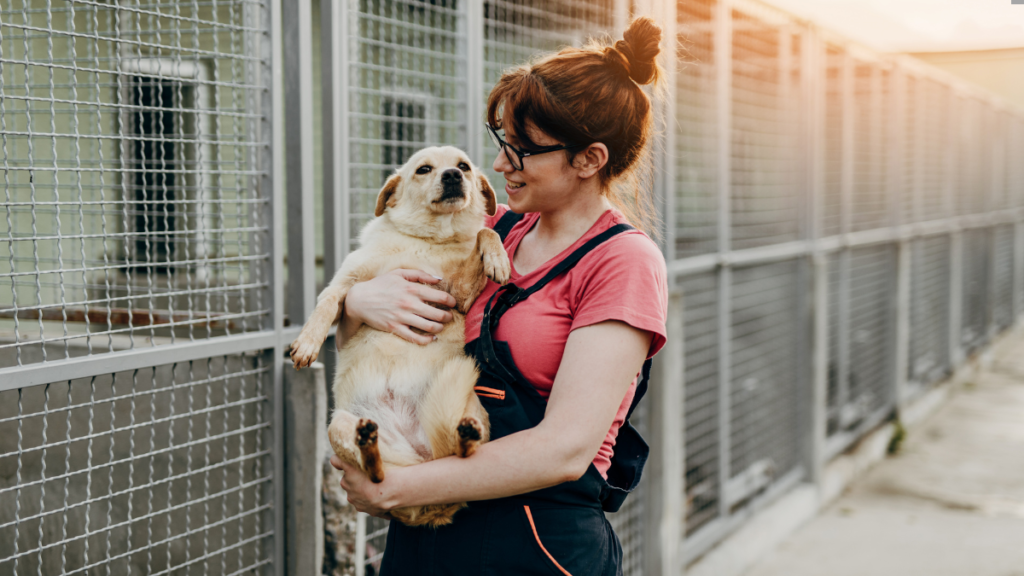
Bringing a rescue dog into your home is one of the best life decisions you can make. There’s nothing quite like welcoming a new puppy or adult dog into your family—it’s an experience that’s both joyous and, at times, a little stressful. Especially during the first few weeks, it’s important to understand how to help a rescue dog adjust.
Rescue dogs often come from situations of neglect, abandonment, or trauma, and entering a home with caring humans can feel overwhelming for them. With the right perspective, approach, and patience, however, you can make this adjustment period easier for both you and your dog.
Understanding Your Rescue Dog’s Background
Every rescue dog has a unique story. Some have spent months in shelters, while others may have been surrendered by a previous owner. Their past experiences influence their behavior, temperament, and how quickly they adjust to a new home.
A dog that has experienced trauma or neglect may exhibit behaviors such as fear, anxiety, aggression, or withdrawal. Others may be overly excitable or clingy. Observing your dog carefully is key to understanding their needs and triggers.
Tip: Ask the shelter or rescue organization for any information they have about your dog’s history. The more you know about your dog’s likes, dislikes, and past experiences, the better you’ll be able to anticipate challenges and support them.
Creating a Safe and Comfortable Space
One of the most important ways to help a rescue dog adjust is by providing a safe, secure space in your home. This will give your dog a place to retreat when they feel overwhelmed or anxious.
-
Choose a quiet corner: Avoid high-traffic areas in your home. A calm space helps your dog feel secure.
-
Add cozy bedding: Soft blankets or a dog bed provide comfort and warmth.
-
Include familiar scents: Items from the shelter, like a blanket or toy, can help your dog feel more at home.
-
Keep essentials close: Place water, toys, and food nearby so your dog knows where to find them.
A safe space not only serves as a refuge for your dog but also helps you manage difficult behaviors. When your dog feels anxious, guide them to this space instead of forcing interactions.
Establishing a Routine
Structure and routine are important for all dogs, but they’re especially critical for rescue dogs. A predictable schedule for feeding, walks, playtime, and rest helps your dog feel secure and understand what to expect.
-
Feeding times: Offer meals at the same time every day.
-
Walks: Regular walks provide exercise and mental stimulation. Keep routes consistent at first to avoid overwhelming your dog.
-
Playtime: Include both structured play sessions and free time for rest.
-
Rest: Ensure your dog has plenty of time to relax, particularly during the first few weeks.
A consistent routine also helps your dog learn boundaries and strengthens trust between you and your pet.
Building Trust Through Positive Reinforcement
Rescue dogs may need to relearn how to trust humans. Positive reinforcement is one of the most effective ways to encourage good behavior and build confidence.
Tips for using positive reinforcement:
-
Treats: Reward good behavior with small, high-value treats.
-
Praise: Gentle verbal encouragement and petting reinforce positive actions.
-
Patience: Let your dog approach you on their own terms. Avoid forcing affection.
For example, if your dog seems nervous about being near you, sit quietly nearby and allow them to come to you when they’re ready. This helps build trust and a sense of safety.
Socialization: Introducing New Experiences
Socialization is crucial for all dogs, but rescue dogs often require a slower, more careful approach. Gradual exposure to new people, animals, and environments is key.
-
Introduce one person, dog, or environment at a time to avoid overwhelming your dog.
-
Pay attention to body language: yawning, lip licking, tail tucking, or moving away are signs of stress. Give your dog space when needed.
-
Start with quiet, familiar places before moving to busier areas.
Remember, every small step counts. Socialization is a gradual process, not a race.
Managing Anxiety and Fear
Anxiety and fear are common in rescue dogs, especially during the first few weeks. Understanding and addressing these behaviors is part of helping a rescue dog adjust.
-
Create a calming environment: Soft music, dim lighting, or pheromone diffusers can soothe anxious dogs.
-
Offer reassurance: Gentle, calm interactions help your dog feel safe and secure.
-
Redirect nervous energy: Toys, treat puzzles, or short training exercises can help distract your dog and reduce anxiety.
-
Seek professional help if needed: If your dog’s anxiety is severe or persistent, consult a professional trainer or behaviorist.
Patience and empathy are essential. Your dog is learning that your home is safe and predictable, which may take time.
Training as a Tool for Adjustment
Training isn’t just about commands—it’s a way to communicate and bond with your dog. Rescue dogs often benefit from basic training to increase their confidence and understanding of expectations.
-
Start with basic commands: “Sit,” “stay,” and “come” provide structure and clarity.
-
Keep sessions short: 5–10 minute sessions are more effective than long, stressful ones.
-
Avoid harsh corrections: Punishment can harm trust and increase anxiety.
-
Use rewards: Praise, treats, and play reinforce learning in a positive way.
Training also helps your dog learn household rules and strengthens the bond between you.
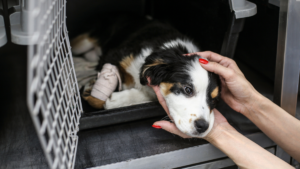
Building a Bond and Emotional Connection
Bonding with a rescue dog may take time. Some dogs warm up quickly, while others require weeks or months. Consistent, positive interactions are essential.
-
Spend quality time together: Sit near your dog, go on walks, or engage in gentle play.
-
Be patient: Don’t force physical affection if your dog isn’t ready.
-
Communicate calmly: Dogs respond to tone of voice and body language. Stay calm and positive.
-
Celebrate milestones: Relaxed body language, voluntary approach, and play are signs of adjustment.
Bonding is about building trust. Through consistent love and care, your dog learns that humans can be kind, reliable, and safe.
Health Check and Veterinary Care
A healthy dog is a happy dog. Ensuring your rescue dog’s medical needs are met is part of helping them adjust.
-
Schedule a vet visit: Even if the shelter provided care, a full checkup is important.
-
Keep vaccinations and prevention up to date: Flea, tick, and deworming treatments are essential.
-
Monitor diet and weight: Adjust diet or feeding schedules as needed for health.
-
Address lingering medical issues: Pain or illness can affect behavior and adjustment.
Your vet can also provide guidance on behavioral concerns and refer you to other resources if necessary.
Dealing with Setbacks
Setbacks are normal when helping a rescue dog adjust. Dogs may regress in training, show fear, or resist socialization. Consistency and patience are key.
-
Stay calm: Your dog senses your emotions. Reacting with frustration can increase stress.
-
Return to basics: Reinforce routines, safe spaces, and positive reinforcement.
-
Track progress: Keep a journal of milestones and challenges to spot patterns.
-
Seek help if needed: Trainers, behaviorists, and veterinarians are valuable resources.
Adjustment is a journey. Celebrate small victories along the way and accept setbacks as part of the process.
Conclusion
Helping a rescue dog adjust to a new home is a labor of love. While it takes time, patience, and effort, the rewards are immeasurable. By creating a safe environment, establishing routines, using positive reinforcement, and managing anxiety, you can help your rescue dog feel secure and loved.
Every dog is unique and will adjust at their own pace—some in days, others in weeks or months. Consistency, empathy, and understanding are the keys to success. Following the steps in this guide will help your rescue dog thrive and give them the second chance they deserve.
Save pin for later


- Dog Nutrition Guide for Better Health and Energy - May 23, 2026
- How to Keep Your Cat Healthy and Active at Home - May 17, 2026
- Dog Health Tips for Indoor and Apartment Living - May 17, 2026