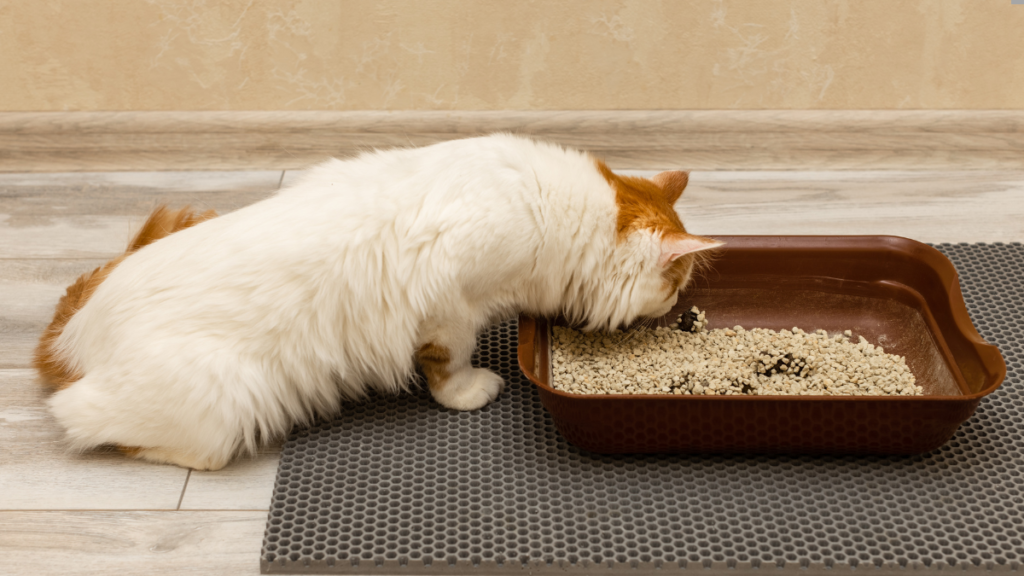
Cats are among the cleanest creatures, and usually, they don’t need any training to use a litter box. However, any cat can develop litter box problems for various reasons. These issues can be caused by medical conditions, stress, or environmental changes.
To help your cat get back to proper litter box habits, it is important to understand what to do—and what not to do. Let’s learn how to improve litter box habits effectively.
Cat Not Using the Litter Box
To train your cat or help them return to proper litter box use, it’s necessary to figure out why your cat is avoiding it. Some common reasons include:
Medical Reasons
Cats may have urinary tract infections (UTIs), bladder stones, kidney disease, or other medical problems that make urination or defecation painful. UTIs are a particularly common cause of litter box avoidance.
Environmental or Behavioral Stressors
Changes in the living environment, such as moving to a new home, can stress a cat and lead to litter box issues. Loud noises, new pets, or changes in household routines can also trigger anxiety, resulting in avoidance behavior.
Dirty Litter Box
Cats are naturally clean animals, and a dirty litter box can repel them. If the box is soiled, your cat may look for an alternative place to relieve itself.
Wrong Litter Box Placement
Privacy is important for cats. A litter box placed in a busy area or near noisy appliances may discourage use. Ideally, the box should be located in a quiet, low-traffic area where your cat can feel secure.
Type or Depth of Litter
Cats can be particular about the litter itself. Some prefer fine-grained, soft litter or clumping varieties, while others prefer unscented options. The depth of the litter also matters; 2–3 inches is usually sufficient for digging and covering waste.
How to Choose a Litter Box
Selecting the right litter box and litter is one of the most important steps in improving your cat’s habits.
Size and Type of Litter Box
Your cat needs enough space to turn around and dig comfortably. The litter box should be at least 1.5 times the length of your cat, measured from nose to base of tail. Covered litter boxes provide privacy but can trap odors, while open boxes offer better ventilation. Observe your cat to see which type they prefer.
Number of Litter Boxes
The general rule is one litter box per cat, plus an extra. For example, two cats should have three litter boxes in the home. This reduces territorial disputes and ensures every cat has access when needed.
Accessibility of Litter Boxes
Litter boxes should be easily accessible to all cats, including kittens or older cats with mobility issues. If your cat struggles with stairs, avoid placing boxes on different levels of the house.
How to Select the Right Cat Litter
The type of litter used can significantly influence whether your cat uses the box consistently. Here are some tips:
Texture
Most cats prefer soft, fine-grained litter that is comfortable to dig in. It should also be easy to scoop but not overly dusty.
Clumping vs. Non-Clumping
Clumping litter makes cleaning easier for you and is often preferred by cats for digging.
Scented vs. Unscented
Cats can be sensitive to strong odors, so unscented, low-dust litter is usually best.
Depth
About 2–3 inches of litter is generally enough for cats to dig and cover their waste.
If your cat isn’t using the litter box, try making small changes to the litter until you find one they prefer. Sudden, drastic changes can confuse or stress your cat.
Cleanliness of the Litter Box
Even with the right box and litter, a dirty litter box can cause problems. Regular cleaning is essential:
-
Daily Scooping: Remove clumps and waste every day.
-
Weekly Cleaning: Wash the litter box with mild soap and warm water at least once a week. Avoid strong chemical cleaners, as cats are sensitive to harsh odors.
-
Regular Litter Replacement: Completely replace the litter every 1–4 weeks, depending on the type.

Positive Reinforcement and Training
Positive reinforcement is a highly effective method for improving litter box habits.
-
Reward Success: Give your cat a small treat or affectionate petting immediately after they use the litter box.
-
Consistency: Keep the boxes in the same location to maintain routine.
-
Gradual Changes: If you need to move the box or change the litter, do so gradually to prevent stress.
Never punish your cat for accidents; punishment can create fear and worsen avoidance behavior.
Caring for Multiple Cats
In multi-cat households, conflicts can lead to litter box problems. To manage this:
-
Provide multiple litter boxes—one per cat, plus an extra.
-
Place boxes in different areas of the house to reduce territorial disputes.
-
Observe interactions to ensure no cat is being bullied or avoiding the box.
Behavioral Problems
If your cat continues to avoid the litter box despite clean boxes and preferred litter, behavioral issues may be at play. Consider the following strategies:
Reduce Stress
Stress can contribute to litter box problems. Provide hiding spots, cat trees, and maintain a consistent routine. Pheromone diffusers or sprays can also help calm anxious cats.
Rule Out Medical Conditions
Consult a veterinarian to check for urinary tract or other health issues, which are common causes of litter box avoidance.
Retraining
For persistent problems, retraining may be necessary:
-
Place your cat in the litter box after meals or naps and reward them when they use it.
-
If accidents continue, confine your cat to a small area with the litter box, gradually increasing their accessible space as they improve.
Combining multiple strategies is often the most effective approach. Cats are individuals, so what works for one may not work for another. Patience and observation are key.

Mistakes to Avoid When Solving Litter Box Problems
-
Don’t punish your cat for accidents.
-
Avoid sudden changes to litter, box, or location.
-
Don’t ignore potential medical issues—always consult a veterinarian first.
-
Don’t underestimate stress; even subtle environmental changes can affect litter box habits.
When to Contact a Veterinarian or Cat Behaviorist
If your efforts to improve litter box habits fail, seek professional help. Long-term elimination problems can be stressful for both cats and owners. A veterinarian or cat behaviorist can provide tailored solutions and guidance.
Summary
Improving litter box habits requires time, observation, and patience. Cats are naturally clean, but issues can arise. Understanding the reasons for avoidance, choosing the right litter box and litter, maintaining cleanliness, providing a stress-free environment, and using positive reinforcement are all critical steps. Small adjustments for your individual cat will often yield the best results.
Knowing how to improve litter box habits benefits both you and your cat. It keeps your home clean, strengthens your bond, and shows your cat that you respect and understand them. Whether teaching a new kitten or helping an older cat return to proper litter box use, following these strategies will help solve litter box problems effectively.
Save pin for later

- Dog Nutrition Guide for Better Health and Energy - May 23, 2026
- How to Keep Your Cat Healthy and Active at Home - May 17, 2026
- Dog Health Tips for Indoor and Apartment Living - May 17, 2026