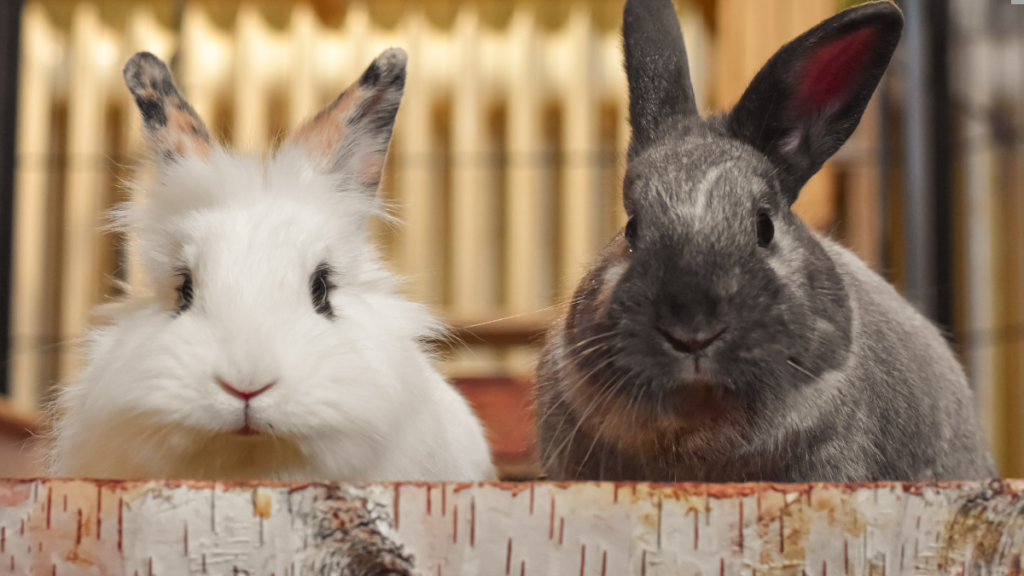
Rabbits are cute, intelligent, and more social than many people realize. Many assume that these small, fluffy creatures are relatively low-maintenance pets. However, they require proper care, love, and attention to thrive.
Whether you’re a first-time rabbit owner or have shared your life with these animals for years, you might wonder how to make your bunny as happy as possible. In this article, we’ll cover the top 6 secrets for a happy rabbit, giving you practical tips to keep your furry family member healthy and joyful.
1. Give Your Bunny a Spacious Living Area
A happy rabbit starts with a safe, comfortable, and stimulating home. Unlike some pets, rabbits can’t be confined to a small cage or hutch for most of the day. These furry creatures need space to move, hop, and run. Their cage should serve as their personal “bedroom,” while the rest of the house or a dedicated playpen acts as their playground.
Tips for creating the perfect living area:
-
Roominess: The enclosure should be at least four times the length of your rabbit when fully stretched out. Large breeds, like Flemish Giants, need even more space.
-
Bedding: Avoid wire floors, which can damage your rabbit’s delicate feet. Soft bedding such as hay, straw, or pet mats is ideal.
-
Rabbit-proof areas: Rabbits are curious and love to chew. Cover wires, block off unsafe areas, and remove toxic plants to keep your bunny safe.
-
Hiding spots: Rabbits feel secure when they can retreat. Provide cardboard boxes or commercial tunnels for them to hide in.
Creating a spacious, safe environment is the first secret for a happy rabbit. When your bunny has room to stretch and move freely without danger, they are more likely to be active, playful, and relaxed. You may even notice joyful behaviors like binkying—jumping and twisting in the air—or other signs of contentment.
2. Provide a Balanced Diet
A well-fed rabbit is a happy rabbit. Proper nutrition is essential for their growth, energy, and overall health. Rabbits have delicate digestive systems, and feeding them the wrong foods can lead to serious issues, such as gastrointestinal stasis, obesity, and dental problems.
Key elements of a healthy rabbit diet:
-
Hay: Unlimited access to fresh hay is essential. Hay keeps their digestive system functioning properly and helps wear down constantly growing teeth. Timothy, orchard, or meadow hay are excellent choices.
-
Fresh vegetables: Leafy greens like romaine lettuce, cilantro, parsley, and kale provide essential vitamins and minerals. Introduce new vegetables gradually to prevent digestive upset.
-
Pellets: Feed high-quality rabbit pellets in moderation. Avoid pellets with seeds, dried fruit, or colorful bits, as these often contain sugar and fillers.
-
Fresh water: Always provide clean, fresh water in a heavy bowl or water bottle (bottles are preferred to prevent tipping).
A rabbit that enjoys a balanced diet is more likely to be energetic, social, and affectionate. Proper nutrition not only supports their physical health but also reduces stress and promotes positive behaviors.
3. Encourage Social Interaction and Companionship
Rabbits are social animals that thrive on interaction. While some enjoy human company, many benefit from a companion of their own species. Loneliness can lead to depression, destructive behavior, and even health issues.
Tips for proper socialization:
-
Bonding pairs: If you plan to keep two rabbits, introduce them gradually. Rabbits are territorial, so slow introductions in neutral spaces are essential.
-
Daily interaction: Spend at least an hour or two each day with your rabbit. Petting, grooming, or simply sitting on the floor together strengthens your bond.
-
Play enrichment: Rabbits enjoy toys, tunnels, and chewable objects. Cardboard boxes, untreated wicker baskets, and wooden chew toys provide mental stimulation.
Rabbits with companionship—whether from humans or other rabbits—are happier and more relaxed. A well-socialized rabbit may hop excitedly around the room, flop onto their side in contentment, or softly vocalize to show happiness.
4. Ensure Exercise and Mental Stimulation
A bored rabbit is rarely a happy rabbit. Regular physical activity and mental stimulation are crucial to their well-being. Without enough movement or engaging activities, rabbits can become overweight, lethargic, or destructive.
Ways to keep your rabbit active and engaged:
-
Daily roaming: Let your rabbit explore a safe, enclosed area for 2–3 hours each day. Supervised free-roaming encourages natural behaviors and physical activity.
-
Obstacle courses and tunnels: Use boxes, tunnels, or low ramps to create mini obstacle courses. Rabbits love exploring new spaces and objects.
-
Puzzle feeders: Hide small treats in puzzle feeders or under cups to encourage foraging.
-
Interactive play: Some rabbits enjoy gentle games, like chasing ribbons (supervised), exploring new textures, or playing with soft toys.
Exercise and mental stimulation benefit both physical and mental health. A bored rabbit may chew on furniture or act aggressively, while an active, engaged bunny stays curious, playful, and affectionate.

5. Maintain Routine Grooming and Health Checks
Rabbits are naturally clean animals, but regular grooming and health monitoring are essential for their comfort and well-being.
Grooming and health care tips:
-
Brushing: Long-haired breeds like Angoras need daily brushing, while short-haired rabbits can be groomed weekly.
-
Nail trimming: Rabbit nails grow continuously. Trim them every 4–6 weeks to prevent discomfort or injury.
-
Dental checks: Rabbit teeth grow constantly. Regular vet checkups prevent overgrowth and alignment issues.
-
Daily observation: Watch for changes in behavior, appetite, or droppings to detect health issues early.
Routine grooming and care not only keep your rabbit physically comfortable but also strengthen trust between you and your pet. Relaxed rabbits are more affectionate, calm, and confident than those that are neglected.
6. Create a Calm and Stress-Free Environment
Rabbits are highly sensitive animals. Loud noises, sudden movements, and chaotic environments can cause stress, anxiety, and even illness. A calm, stable environment is one of the most important secrets for a happy rabbit.
Tips to reduce stress:
-
Consistent routine: Feed, clean, and interact with your rabbit at roughly the same times each day to give them a sense of security.
-
Quiet zones: Provide safe, quiet spaces where your rabbit can retreat if they feel scared or overwhelmed.
-
Gentle handling: Always approach and handle your rabbit calmly. Avoid picking them up suddenly or roughly.
-
Supervise other pets: Dogs, cats, or other animals may scare your rabbit. Ensure interactions are monitored and controlled.
A calm environment allows rabbits to relax, play, and display natural behaviors like stretching, hopping, and grooming. When rabbits feel safe, they become affectionate, confident, and truly happy.

Final Thoughts
Rabbits are complex, sensitive, and loving pets. To ensure a long, happy life, they need more than just food and shelter. By focusing on a spacious living area, a balanced diet, social interaction, exercise and mental stimulation, grooming and health care, and a calm environment, you can unlock the top 6 secrets for a happy rabbit.
Every rabbit is unique, so it’s essential to observe their behavior and preferences. Some enjoy frequent social interaction, while others prefer a quieter life. Tailoring your care to your rabbit’s individual needs is the best way to ensure their happiness. When rabbits feel loved, safe, and stimulated, they will reward you with joy, affection, and playful personalities that make all the effort worthwhile.
Save pin for later

- Dog Nutrition Guide for Better Health and Energy - May 23, 2026
- How to Keep Your Cat Healthy and Active at Home - May 17, 2026
- Dog Health Tips for Indoor and Apartment Living - May 17, 2026