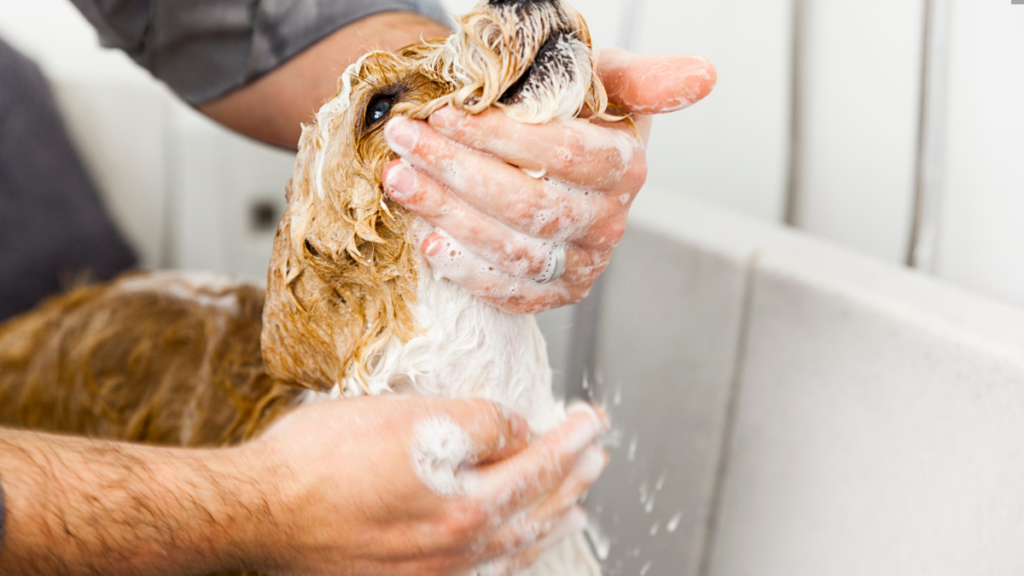
Taking care of your dog includes feeding, walks, playtime, and also keeping them clean, comfortable, and healthy. DIY Dog Grooming at Home is becoming more and more popular these days, as it allows pet parents to save money, reduce stress for their dogs, and feel closer to their furry friends.
You can always take your dog to a professional groomer or pet salon, but it is not always necessary, and many pets actually prefer their home environment. Grooming your dog yourself is not difficult, as long as you have the right knowledge, tools, and a little patience.
Why Grooming Your Dog at Home Is Important
Before going into the details of the grooming process, it is important to understand that grooming is essential for your pet—not just for appearance. Grooming your dog at home offers many health benefits, including cleaning, relieving itching, removing parasites, and spotting skin issues, lumps, or infections early.
Benefits of home grooming:
-
Improves your dog’s overall hygiene
-
Strengthens the bond between the dog and the pet parent
-
Decreases expenses in the long run
-
Minimizes stress for dogs who fear grooming services
-
Helps you notice potential health problems early
Dogs that are well groomed tend to be healthier, with shinier coats and fewer skin problems, matting issues, and infections.

Dog Coat Types
Before starting the DIY Dog Grooming at Home process, it is important to understand your dog’s coat type. While specific breeds have unique grooming needs, knowing the general coat category will help you choose the right approach.
Short Coats
Examples: Beagle, Boxer, Dalmatian
-
Minimal brushing required
-
Weekly brushing removes loose hair and reduces shedding
-
Occasional baths are sufficient
Medium Coats
Examples: Golden Retriever, Border Collie
-
Regular brushing (2–3 times a week)
-
Tends to shed heavily
-
Regular trims around the ears and paws may be required
Long Coats
Examples: Shih Tzu, Afghan Hound
-
Daily brushing is recommended
-
High risk of matting
-
Regular trimming and bathing needed
Curly or Wavy Coats
Examples: Poodle, Labradoodle
-
Frequent brushing required
-
Regular trimming necessary
-
Mats can form easily if neglected
Essential Dog Grooming Tools
You do not need a special grooming station for DIY Dog Grooming at Home; however, having the right tools will make the process easier and more comfortable for both you and your dog.
Basic tools for home dog grooming:
-
Dog brush or comb (appropriate for your dog’s coat type)
-
Dog-safe shampoo and conditioner
-
Dog nail clippers or grinder
-
Dog grooming scissors or clippers
-
Towels and a non-slip mat
Optional but helpful tools:
-
Deshedding tool for heavy shedders
-
Ear-cleaning solution
-
Dog toothbrush and toothpaste
-
Blow dryer with a cool setting
Investing in high-quality tools will make grooming safer and more enjoyable for both you and your pet.
Tips on How to Prepare Your Dog for Grooming
Dogs tend to react to their owner’s energy, so staying calm and patient will help your dog feel more relaxed during grooming. Preparing your dog properly will also make the experience more enjoyable.
Tips to prepare your dog for grooming:
-
Groom after exercise, when your dog is calmer
-
Let your dog sniff and inspect the tools beforehand
-
Use treats and positive reinforcement
-
Start with short grooming sessions
If your dog shows fear or aggression, do not force the process. Give them time and try again later.
Step-by-Step Guide to DIY Dog Grooming at Home
1. Brushing
Brushing should always be the first step before bathing. While daily brushing is ideal for some coats, others may need it less frequently. Brushing removes dirt, loose hair, tangles, and mats.
How to brush your dog:
-
Brush in the direction of hair growth
-
Use gentle motions around sensitive areas
-
Use a detangling spray or conditioner for stubborn tangles
-
Focus on common matting areas: behind the ears, under the legs, belly, and tail
Regular brushing reduces shedding and keeps the coat healthy.
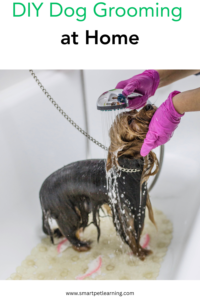
2. Bathing
Bathing frequency depends on your dog’s breed, lifestyle, and coat type. Short-coated dogs may only need a bath a few times a month, while long-coated dogs may need weekly or biweekly baths.
Steps for bathing your dog:
-
Use lukewarm water
-
Wet the coat thoroughly
-
Apply dog shampoo, avoiding the eyes and ears
-
Massage gently and rinse thoroughly to prevent skin irritation
-
Apply conditioner if necessary
-
Dry your dog using towels and/or a blow dryer
3. Drying
Drying your dog after bathing is just as important as washing. Leaving moisture on the coat can lead to skin infections.
Drying methods:
-
Use towels for short-coated breeds
-
Use a blow dryer on cool or low heat for longer coats
-
Brush while drying to prevent tangles
Make sure your dog is completely dry before moving on.
4. Trimming and Hair Cutting
Not all dogs need haircuts, but trimming certain areas helps maintain hygiene.
Areas that often need trimming:
-
Around the eyes
-
Paw pads
-
Sanitary area
-
Hair under the ears
Tips for trimming and cutting:
-
Choose the correct blade length
-
Move slowly and steadily
-
Keep clippers cool to avoid overheating
If you are inexperienced, avoid doing a full haircut in one session. Start small or seek guidance if needed.
5. Nail Trimming
Nail trimming is often the most challenging part of grooming.
Tips for safe nail trimming:
-
Use clippers or grinders designed for dogs
-
Trim small amounts at a time
-
Avoid cutting into the quick (pink area)
-
Reward your dog after each paw
For dogs with black nails, trim slowly and stop if you see a gray or white center.
6. Ear Cleaning
Dirty ears can lead to infections, especially in dogs with floppy ears.
Tips for ear cleaning:
-
Use a vet-approved ear-cleaning solution
-
Apply gently and massage the base of the ear
-
Wipe debris with a cotton ball (never insert cotton swabs)
If you notice redness, swelling, odor, or discharge, consult a veterinarian.

7. Dental Care
Dental hygiene is often overlooked but is extremely important.
At-home dental care for dogs:
-
Brush teeth 2–3 times a week
-
Use dog-specific toothpaste only
-
Provide dental chews and toys
Proper dental care helps prevent bad breath, gum disease, and tooth loss.
Common Mistakes to Avoid
When starting DIY Dog Grooming at Home, be mindful of these common mistakes:
-
Using human grooming products
-
Rushing the process
-
Forcing your dog
-
Cutting mats too close to the skin
-
Skipping regular grooming sessions
Taking your time and learning gradually leads to better results.
How Often Should You Groom Your Dog?
Grooming frequency depends on your dog’s breed and coat type.
General guidelines:
-
Brushing: daily to weekly
-
Bathing: every 4–8 weeks
-
Nail trimming: every 3–4 weeks
-
Ear cleaning: monthly or as needed
-
Hair trimming: every 6–8 weeks
Consistency matters more than perfection.
When to Visit a Professional Groomer or Veterinarian
Home grooming works well for most dogs, but professional help may be necessary in certain situations.
Seek professional help for:
-
Severe matting
-
Aggressive behavior
-
Skin conditions or infections
-
Breed-specific grooming styles
Combining professional grooming with home care is perfectly acceptable.
Making Dog Grooming Fun and Enjoyable
Grooming is not just about cleanliness—it’s about comfort and trust.
How to make grooming enjoyable:
-
Offer treats and praise
-
Play calming music
-
Stick to a routine
-
End sessions on a positive note
With patience and consistency, your dog will learn to enjoy grooming time.
Final Thoughts
DIY Dog Grooming at Home may seem overwhelming at first, but with time, knowledge, and practice, it can become a rewarding experience for both you and your dog. Grooming at home helps maintain hygiene, allows you to spot health issues early, strengthens your bond, and saves money and stress.
Every dog is different. Go at your dog’s pace, stay patient, and don’t aim for perfection. What matters most is creating a calm, loving grooming experience your dog can trust.
Save pin for later

- Dog Nutrition Guide for Better Health and Energy - May 23, 2026
- How to Keep Your Cat Healthy and Active at Home - May 17, 2026
- Dog Health Tips for Indoor and Apartment Living - May 17, 2026