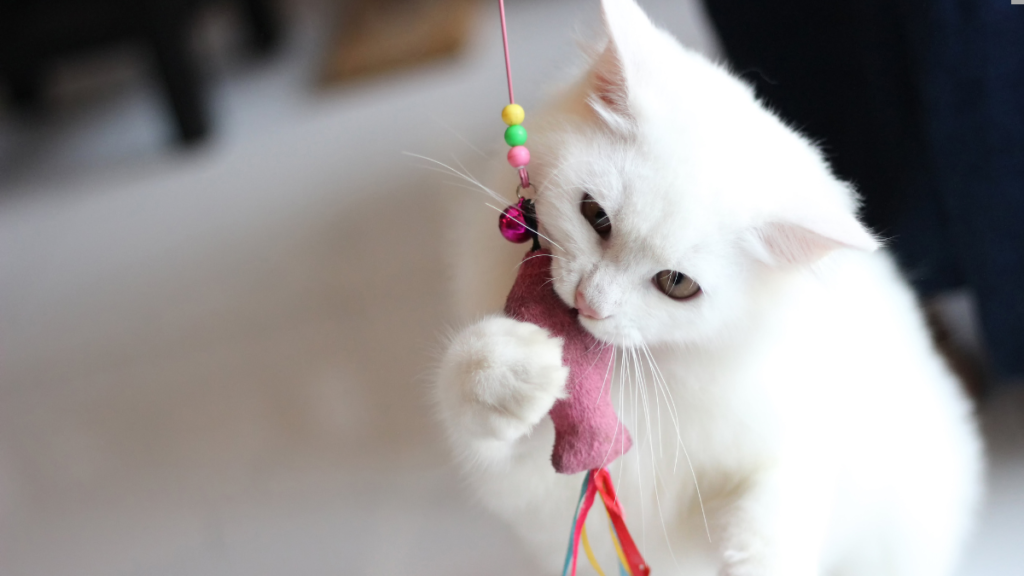
Cats are among the most fascinating pets on the planet.
They exude a sense of mystery and independence, yet surprise us with sudden bursts of activity and enthusiasm for play.
While we love our cats, there are times when we may feel perplexed about how to bond with them while keeping them healthy and entertained.
Whether you’re a seasoned cat owner or just getting started, understanding how to play with your cat correctly is essential.
Playing with your cat is about much more than entertainment; it also supports your cat’s physical health, provides mental stimulation, and builds trust between you and your feline friend.
Why Playing With Your Cat Is Important
Before diving into specific ideas and approaches, it’s important to understand that play is more than just fun.
Cats are natural hunters, and even indoor cats retain strong predatory instincts.
Playtime allows them to simulate stalking, chasing, pouncing, and batting at prey.
Behavioral issues such as aggression, biting, scratching, and boredom-induced anxiety can develop in cats who lack sufficient outlets for their energy.
Regular play sessions also support your cat’s physical well-being.
Just like humans, cats need exercise to maintain a healthy weight, strong muscles, and flexible joints.
Indoor cats, in particular, may benefit from well-structured play sessions since they often lack access to open spaces or safe outdoor areas.
Playtime also provides mental stimulation, which helps reduce stress, prevent boredom, and curb issues like compulsive grooming, excessive meowing, or depression.
The Bottom Line: Bonding
Playing with your cat is ultimately about building a connection.
Even cats that seem independent benefit from consistent interaction and shared activities with their owners.
Learning how to play with your cat correctly fosters trust and encourages positive behaviors, strengthening your bond in the process.
Understanding Your Cat’s Play Style
Each cat is unique, with their own play preferences and behaviors.
Some cats adore high-energy chase games, while others prefer slower, more strategic hunting simulations.
Recognizing your cat’s play style is crucial to creating enjoyable and successful play sessions.
Observe how your cat reacts to different types of play, such as biting, pouncing, or running.
Experiment with various toys and games to discover what they enjoy the most.
Predatory Play
Most cats enjoy toys that mimic the movements of small animals like mice, birds, or insects.
They may stalk, pounce, or bat at these toys as if they were real prey.
Look for toys that stimulate these natural instincts.
Interactive Play
Many cats prefer playing with their owners over playing alone.
Wand toys, laser pointers, and balls that roll unpredictably are excellent choices to keep them engaged and entertained.
Solo Play
Some cats enjoy playing independently.
Providing balls, puzzle feeders, or soft toys they can carry around ensures they have hours of entertainment even when alone.
Tips for Playing With Your Cat Correctly
Even with an understanding of your cat’s play style, following a few guidelines will help ensure that playtime is safe, enjoyable, and effective:
Use Toys, Not Hands
While it may be tempting to let your cat pounce on your fingers or toes, avoid this!
Hands should never be used as toys, as it can encourage scratching or biting behavior.
Use feathers on sticks, laser pointers, or small soft toys instead.
Follow Your Cat’s Lead
Cats can go from highly energetic to wanting to nap in an instant.
Let your cat dictate the pace of play, giving them breaks when needed.
Forcing your cat to play when they’re not interested can cause frustration or stress.
Mimic Natural Hunting Behavior
Simulate hunting behaviors during play.
Move toys like prey, with sudden stops, quick darts, and unpredictable movements.
This engages your cat’s predatory instincts and keeps them entertained.
Short, Frequent Play Sessions
Cats have relatively short attention spans for play, usually 10–15 minutes at a time.
Multiple short sessions throughout the day are more effective than a single long session.
Rotate Toys Regularly
Cats can get bored with the same toys over time.
Rotate different toys and games to keep them interested and mentally stimulated.
Encourage Climbing and Exploration
Play doesn’t always have to happen on the floor.
Cat trees, shelves, and climbing structures allow your cat to exercise, explore, and engage their natural curiosity.
High perches also provide a sense of security and control.

Recognizing Your Cat’s Signals During Play
Understanding your cat’s body language is crucial to playing safely and effectively.
Tail Movements
A high, wiggling tail usually indicates a happy cat ready to play.
A puffed-up tail may indicate fear or overstimulation.
Ears and Eyes
Forward-facing ears and dilated pupils indicate interest and engagement.
Flattened ears signal discomfort or overstimulation.
Vocalizations
Cats may meow, chirp, or purr during play to show excitement.
Growling or hissing means it’s time to pause.
Safety Considerations
Safety is essential for both you and your cat during play:
-
Supervise any toys with small parts or strings.
-
Be careful with feathers on sticks, as claws may get caught and cause injury.
-
Keep play areas free of small objects, chemicals, or hazards that could be swallowed or cause harm.
Following these safety measures ensures stress-free, enjoyable play sessions.
Fun Doesn’t Stop With Direct Play
Direct interaction isn’t the only way to enrich your cat’s life:
-
Puzzle Feeders: Stimulate your cat mentally while rewarding them with treats.
-
Window Perches: Provide visual stimulation from birds, squirrels, or passing cars.
-
Interactive Apps: Some cats enjoy touchscreen games designed for felines.
Combining these activities with interactive play maximizes mental and physical enrichment.
Conclusion
Playing with your cat is a vital part of their life that cannot be overstated.
Using appropriate toys, observing your cat’s signals, and offering various forms of stimulation ensures playtime is safe, fun, and rewarding.
Each cat is unique, so what works for one may not work for another.
With patience, creativity, and love, you can master the art of how to play with your cat correctly and create countless happy memories with your feline companion.
Save pin for later

- Dog Nutrition Guide for Better Health and Energy - May 23, 2026
- How to Keep Your Cat Healthy and Active at Home - May 17, 2026
- Dog Health Tips for Indoor and Apartment Living - May 17, 2026