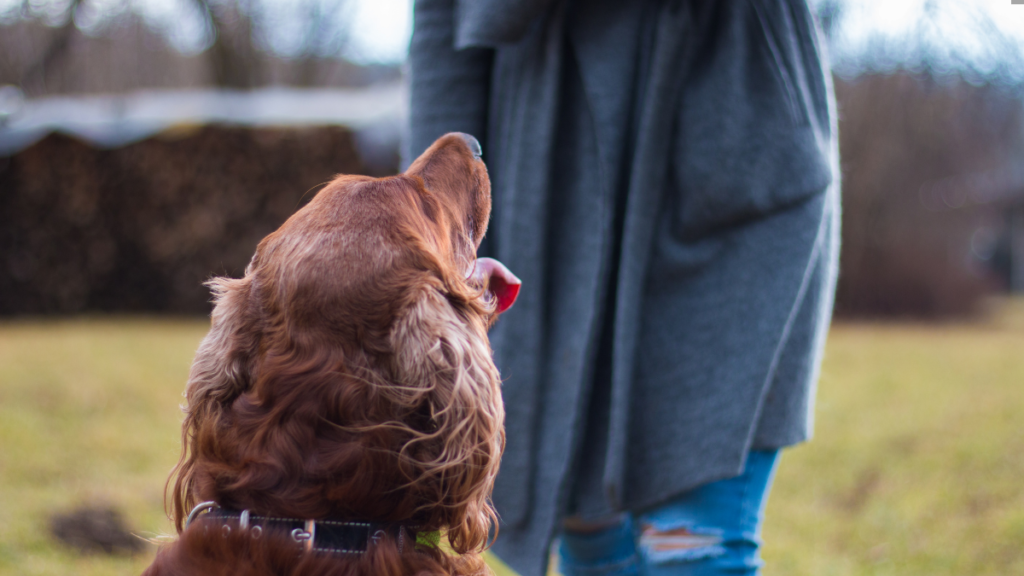
Have you ever wondered how to improve your dog’s focus? If so, you’re not alone. Dog owners everywhere search for ways to overcome distractions, low engagement, and poor impulse control in their dogs. Maybe your dog zones out at the park, ignores you when visitors arrive, or struggles to focus during walks. With the right approach, your dog can learn to pay attention more consistently.
Improving your dog’s focus isn’t about yelling, forcing obedience, or spending endless hours training. It’s about understanding your dog, setting them up for success, and building attention as a habit over time.
Why Focus Is So Important for Dogs
Focus is the foundation of nearly everything you want your dog to do. Without attention, training becomes frustrating, communication breaks down, and even simple tasks feel difficult.
A dog with good focus is more likely to:
-
Respond to commands consistently
-
Walk politely on a leash
-
Stay calm around distractions
-
Learn new skills faster
-
Feel less anxious in stimulating environments
Focus is also a safety issue. A dog that can pay attention around traffic, other dogs, or unfamiliar settings is far less likely to make dangerous choices.
Reasons Dogs Lose Focus
Before working on solutions, it’s important to understand why dogs struggle with focus. Dogs aren’t being stubborn or “bad.” Their behavior is influenced by instincts, energy levels, emotions, and environment.
1. Overstimulation
Dogs experience the world through intense smells, sounds, and movement. For puppies and high-energy breeds especially, too much stimulation can overwhelm them, causing focus to disappear.
2. Insufficient Mental or Physical Exercise
A bored dog is a distracted dog. Without enough physical activity or mental enrichment, dogs release excess energy through restlessness and impulsive behavior.
3. Stress or Anxiety
Anxious dogs often struggle to focus because their minds are busy scanning for threats. Noise sensitivity, unfamiliar environments, or past experiences can all interfere with attention.
4. Inconsistent Training
When rules and cues change frequently, dogs become confused. Confusion often leads to disengagement, which looks like poor focus.
5. Unrealistic Expectations
Sometimes the issue isn’t the dog—it’s the situation. Expecting full focus in a highly stimulating environment may be unrealistic, especially for young or newly adopted dogs.
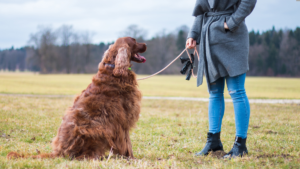
Start With the Basics: Meeting Your Dog’s Needs
Before addressing focus directly, ensure your dog’s basic needs are met.
Physical Exercise
Every dog needs the right amount of daily movement based on breed, age, and health. Walks, playtime, and free movement help burn energy and prepare dogs to learn.
Mental Stimulation
Mental exercise is just as important as physical activity. Puzzle toys, scent games, short training sessions, and interactive play reduce restlessness and improve focus.
Rest and Sleep
An overtired dog behaves much like an overtired child—impulsive, frustrated, and unfocused. Make sure your dog has a quiet place to rest and adequate downtime each day.
Building Focus Through Relationship and Trust
Your dog’s ability to focus is closely tied to your relationship. Dogs pay more attention to people they trust and feel safe with.
Be Clear and Predictable
Use consistent cues, tone, and body language. Predictability helps dogs feel secure and improves attention.
Reward the Behavior You Want
Focus is a behavior, and behaviors improve when reinforced. Use treats, toys, praise, or affection to reward moments when your dog chooses to engage with you.
Keep Training Positive
Harsh corrections and punishment can shut down attention and damage trust. Positive training builds confidence and encourages participation.
Teaching Focus Step by Step
Focus develops gradually with consistency and patience.
Step 1: Start With Low Distractions
Begin in a quiet, familiar space. Ask for simple behaviors and reward eye contact or quick responses.
Step 2: Keep Sessions Short
Five to ten minutes is plenty, especially for puppies or easily distracted dogs.
Step 3: Reward Attention
Reward check-ins, eye contact, and choosing you over distractions—not just completed commands.
Step 4: Slowly Add Distractions
Progress gradually to new rooms, the backyard, and calm outdoor spaces. Increase difficulty only when your dog is ready.
This structured approach is one of the most reliable ways to build focus.
Using Food and Toys Strategically
Rewards are powerful tools when used correctly.
High-Value Rewards
Save especially tasty treats for high-distraction environments.
Mix Rewards
Rotate between food, toys, and praise to keep motivation high.
Avoid Bribing
Reward focus after it happens rather than showing treats beforehand. This teaches your dog that choosing to focus earns rewards.
Calmness Supports Focus
Focus and self-control go hand in hand. Dogs that are overly excited or anxious struggle to concentrate.
Reinforce Calm Behavior
Reward relaxing, settling on a mat, or lying quietly. Calm dogs focus more easily.
Use Routine
Predictable schedules help dogs feel secure and reduce over-arousal.
Focus During Walks and Outdoor Activities
Walks are challenging due to intense stimulation.
Adjust Expectations
Reward small moments of connection rather than expecting constant attention.
Allow Sniffing
Sniffing is mentally enriching and calming. Sniff breaks can actually improve focus.
Practice Name Recognition
Reward your dog for looking at you when you say their name, even in busy environments.
Focus Games to Play at Home
Games make focus training fun and effective.
-
Look at Me: Reward eye contact.
-
Hide and Seek: Call your dog to find you.
-
Find It: Scatter treats for scent work.
These games build attention while engaging natural instincts.
Common Training Mistakes That Reduce Focus
Avoid these pitfalls:
-
Training for too long
-
Increasing distractions too quickly
-
Repeating commands
-
Ignoring small progress
-
Expecting perfection without teaching focus
Avoiding these mistakes improves results and reduces frustration.
Age, Breed, and Personality Considerations
-
Puppies: Keep sessions short and playful. Focus on engagement, not perfection.
-
High-energy breeds: Increase mental challenges and structured activities.
-
Senior dogs: Be patient and adjust expectations for physical or cognitive changes.
Understanding your dog as an individual plays a major role in how to improve your dog’s focus.
When to Seek Professional Help
If focus issues are severe, sudden, or linked to fear or aggression, consult a certified dog trainer or behaviorist for personalized support.
Final Thoughts: Patience Builds Focus
Teaching focus takes time, consistency, and empathy. Celebrate small successes—every moment of attention counts.
By meeting your dog’s physical and emotional needs, using positive reinforcement, and practicing in short, manageable sessions, you can improve your dog’s focus while strengthening your bond and building a calmer, more confident companion.
Save pin for later

- Dog Nutrition Guide for Better Health and Energy - May 23, 2026
- How to Keep Your Cat Healthy and Active at Home - May 17, 2026
- Dog Health Tips for Indoor and Apartment Living - May 17, 2026