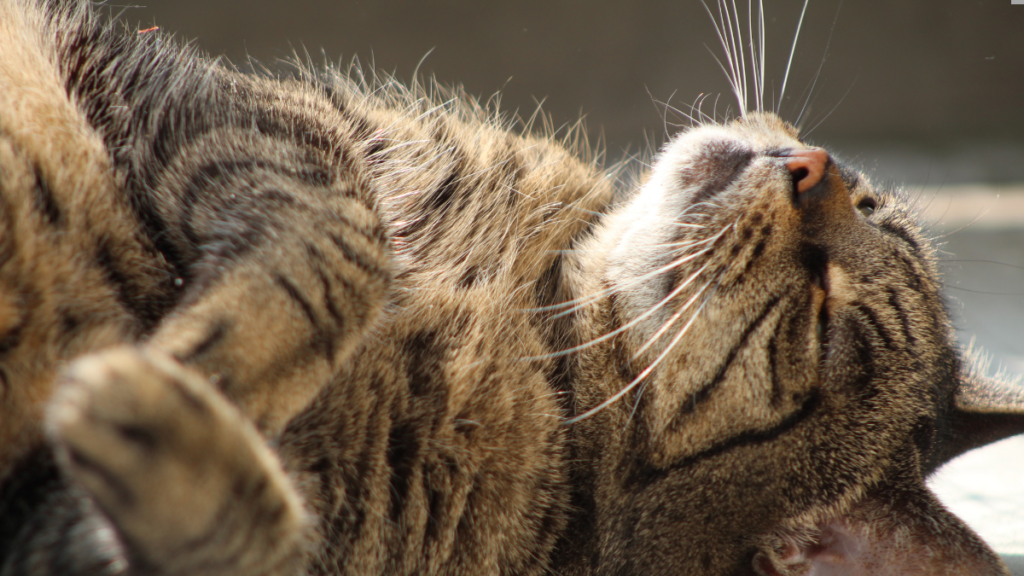
Cats have a reputation for being aloof and self-sufficient. However, anyone who has ever loved and lived with these sensitive and emotive animals knows that cats can be profoundly affected by changes to their environment, routine, health, and relationships. How to reduce cat stress is a common question I get when I notice my cat hiding more, acting aggressively, over-grooming, or having litter box problems.
Stress is common in cats, but by knowing the warning signs and causes, we can take steps to help our cats feel calmer and more secure. Let’s explore practical ways to reduce cat stress.
What is Stress in Cats?
Stress is a physical and emotional response to stimuli that overwhelm a cat or feel threatening.
Cats are territorial by nature and rely on routine and stability to feel in control of their environment. Even small changes can cause stress.
Common Cat Stressors
All cats are different, and what upsets one cat may not affect another. However, here are some of the most common cat stressors to be aware of:
-
Routine changes (feeding times, walk times, when their person leaves or comes home)
-
Moving house
-
New people, pets, or visitors in the home
-
Noise (construction, traffic, parties, fireworks)
-
Lack of mental and physical stimulation
-
Lack of resources (litter boxes, food/water bowls, resting places)
-
Illness or pain
-
Conflict with other animals
Identifying the cause of stress is important to effectively address the issue and keep your cat safe and happy.
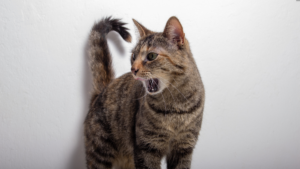
Signs Your Cat is Stressed
Cats are very stoic creatures and usually do a good job of hiding discomfort or pain. It is up to us to notice subtle changes and identify stress or anxiety in our cats.
Behavioral Signs
-
Hiding
-
Aggression toward other animals or humans
-
Increased vocalization
-
Scratching furniture
-
Avoiding the litter box
-
Changes in appetite
Physical Signs
-
Over-grooming or hair loss
-
Dilated pupils
-
Trembling or crouching
-
Vomiting or diarrhea
-
Weight loss or gain
These are some of the most common signs of a stressed cat, but any unexplained change in behavior or appearance could indicate that your cat is anxious and needs your support and reassurance.
Create a Calm and Safe Environment
One of the best ways to reduce stress in cats is to provide a safe and comfortable space where they can retreat from the outside world and relax.
Provide Safe Spaces
Cats need areas where they can feel secure. This could be a covered box, a shelf, a cat tree, or their favorite bed. The key is to allow your cat access to these areas at all times and not disturb them when they are there.
Create a Peaceful Environment
Try to keep noise to a minimum and allow your cat a quiet room or area of the home where they can rest undisturbed. Give them time and space to come out when they are ready for interaction.
Maintain Consistency
Cats thrive on routine and predictability. Try to maintain the same schedule for feeding, litter box cleaning, playtime, and sleep to help your cat feel in control of their environment.
Manage Resources
Competition over resources can be a significant cause of stress, especially in multi-cat households. To reduce stress, ensure each cat has their own litter box, food and water bowls, resting places, and scratching posts.
Litter Boxes
-
Follow the “one box per cat plus one” rule
-
Place boxes in quiet, easily accessible areas
-
Clean them daily
Food and Water Bowls
-
Provide separate bowls for each cat
-
Keep them in separate areas, away from noisy appliances
-
Consider using a water fountain, which many cats prefer
Adequate Resources
Each cat should have access to places to rest and play independently. In multi-cat households, vertical space can help increase territory and reduce tension.
Play and Stimulation
Cats need mental and physical stimulation to stay healthy and happy. Boredom and lack of playtime can cause stress and anxiety.
Interactive Play
Play daily with your cat to help them expend energy and build confidence. Use toys that encourage predatory behavior, such as feather wands, laser pointers (always end with a physical toy), toy mice, and balls. Short, frequent play sessions are more beneficial than one long session.
Environmental Enrichment
-
Rotate toys and place them in different areas of the home to keep things interesting
-
Add a window perch to allow your cat to watch birds and the outside world
-
Use puzzle feeders and toys that require problem-solving to access food or treats
Mental and physical stimulation is key to keeping cats calm and happy and preventing behavioral problems.
Manage Changes Gradually
Cats dislike sudden changes to their routine or environment. If you are making significant changes—such as moving, introducing a new pet, or altering your schedule—make them gradually.
Introducing New Pets
-
Keep new pets in separate areas until your cat adjusts
-
Swap scents before allowing visual contact (rub blankets on both animals)
-
Allow your cat to approach and investigate on their own terms
Moving to a New Home
-
Prepare one quiet room with familiar items and confine your cat there for a few days
-
Gradually introduce the rest of the house while maintaining a consistent routine
Gradual changes prevent your cat from feeling overwhelmed.
Scents and Pheromones
Cats rely heavily on scent to understand their environment. Certain scents and pheromones can help cats feel calmer.
Synthetic Pheromones
Synthetic pheromone diffusers or sprays mimic the natural pheromones cats use to mark safe areas, creating a calming environment.
Familiar Smells
Keep familiar smells, like bedding and favorite toys, around your cat. Items that smell like you can also provide comfort and reassurance.
Handling Human Stress
Humans can unintentionally stress cats, even with good intentions.
Respect Your Cat’s Boundaries
Learn to read your cat’s body language and respect their boundaries. Let your cat approach you rather than forcing affection. Watch for warning signs like a flicking tail, flattened ears, or tense posture.
Gentle Socialization
Spend quiet time near your cat without forcing interaction. Reading, working, or watching TV while allowing your cat to approach fosters a calm association.
Health and Stress
Stress can weaken the immune system and exacerbate existing health issues. Cats often hide pain or illness, which can increase stress.
Regular Vet Visits
Routine veterinary checkups help prevent or treat medical conditions that contribute to stress.
Pain Management
Hidden pain can cause irritability or aggression. Treating painful conditions such as arthritis, dental issues, or skin allergies can reduce stress.
Nutrition
Diet affects emotional well-being.
Balanced Nutrition
Feed a high-quality diet suitable for your cat’s age and medical needs. Consult your veterinarian for recommendations.
Supplements and Special Diets
Some diets and supplements are formulated to support feline calmness. Speak to your veterinarian before introducing any stress support diet or supplement.
Multi-Cat Stress Reduction
Sharing your home with multiple cats can be rewarding, but competition and dominance conflicts can increase stress.
Reduce Competition
-
Give each cat their own litter box, food/water bowls, and resting areas
-
Provide vertical space to expand territory
-
Feed cats separately if necessary
Observe Relationships
Monitor interactions between cats and avoid forcing contact if they prefer their own space.
Long-Term Stress Reduction Techniques
Helping your cat feel calm requires time, patience, and ongoing effort.
-
Observe Your Cat: Notice changes in behavior and address stress triggers
-
Build Trust: Consistency, patience, and gentle care are essential
-
Be Proactive: Anticipate stressful events such as travel or visitors and prepare accordingly
Seek Professional Help
Sometimes expert guidance is necessary.
Veterinarians
Vets can rule out medical problems and recommend treatments or medication if necessary.
Animal Behaviorists
Certified feline behaviorists can help with stress-related behavior issues.
Conclusion
Learning how to reduce cat stress is one of the most valuable things you can do as a cat owner. A calm cat is a happy cat, rewarding you with affection and loyalty. By providing safe spaces, reducing resource competition, maintaining routines, and offering mental and physical stimulation, you can help your cat feel secure and relaxed.
Save pin for later


- Dog Nutrition Guide for Better Health and Energy - May 23, 2026
- How to Keep Your Cat Healthy and Active at Home - May 17, 2026
- Dog Health Tips for Indoor and Apartment Living - May 17, 2026