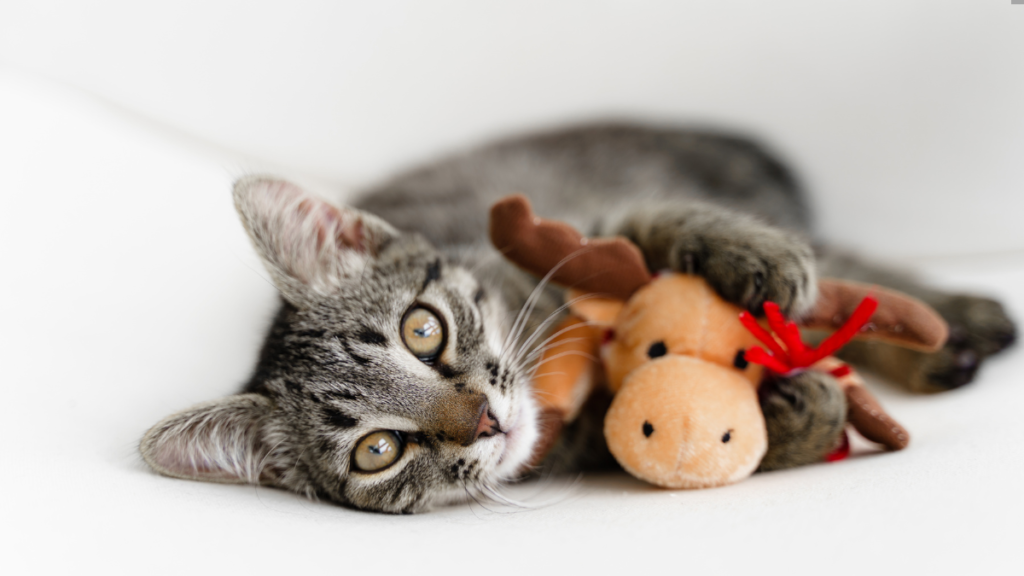
Did you know cats get bored? It’s easy to picture our feline friends snoozing the day away—the picture of self-sufficiency—content with the occasional window gaze and food dish service. But cats are actually smart, inquisitive animals that need regular mental and physical stimulation. If they don’t get it, boredom can sneak up and impact their mood, behavior, and even their health.
In this ultimate guide, we’ll cover what boredom looks like in cats, why it happens, and how you can prevent it. We’ll also share tips for creating a happy, healthy, cat-friendly home. Whether you’re a new cat parent or have had cats for years, knowing the facts about feline boredom will help you ensure your cat lives her happiest, fullest life.
What Does Boredom Mean for Cats?
To understand boredom in cats, let’s start with what it means in humans. We get bored when we aren’t engaged or challenged by our environment or activities. Cats, like people, get bored when they aren’t stimulated—mentally or physically. The real difference is how they cope with that boredom.
Out in the wild, a cat’s day would be filled with hunting, climbing, exploring, and problem-solving. Even when eating and resting, they would be on high alert for danger or opportunities. Cats in our homes have it easier. We feed them, care for them, and keep them safe. In exchange, they give us endless love, companionship, and cuddles. But the less variety there is in a cat’s daily life, the greater the risk of boredom.
Why Do Cats Get Bored?
Cats get bored when their routine, activities, or surroundings are too monotonous or insufficient. Here are some of the main reasons cats get bored:
1. Limited Stimulation
For indoor cats, the same living space, the same set of toys, and the same predictable routine can become very dull over time.
2. Lack of Playtime
Cat playtime isn’t just recreation—it’s essential exercise and engagement. If your cat isn’t getting regular, interactive play, she can quickly lose interest.
3. Too Much Alone Time
While cats can enjoy solitude, prolonged time without interaction or activity can get boring fast.
4. No Outlet for Natural Instincts
Cats are natural-born hunters and climbers. When they have nothing to stalk, chase, climb, or explore, they may feel unstimulated.
Signs Your Cat Might Be Bored
Cats can’t communicate their boredom verbally, but they do show it through their behavior. Here are some signs of a bored cat:
-
Excessive Sleeping: Bored cats may sleep even more than usual simply because there’s nothing better to do.
-
Destructive Behavior: Scratching furniture, tossing items off shelves, or chewing on random objects can be signs of frustrated boredom.
-
Overeating or Appetite Loss: Some bored cats eat endlessly out of habit, while others lose interest in food.
-
Excessive Vocalizing: Meowing more than usual—especially at night—can be a bid for attention from a bored cat.
-
Aggression or Irritability: A bored cat with pent-up energy may be more likely to lash out at people or other pets.
-
Overgrooming: Stress-related licking and grooming can be a symptom of boredom.
Did You Know Cats Get Bored? The Impact on Their Health
Did you know cats get bored—and that it’s bad for their health? Cat boredom can lead to several negative health effects, including:
Weight Gain and Obesity
Inactive cats with no stimulation can easily become overweight or obese. This can lead to diabetes, joint problems, heart disease, and more.
Stress-Related Illnesses
Chronic boredom can cause stress in cats, which can impact their immune system and make them more prone to illness.
Depression and Anxiety
Yes, cats can suffer from emotional issues as well. A cat who is bored and unhappy may become depressed or anxious.
Pet Health Insurance for Cats
Pet health insurance can be a lifesaver if your cat develops an illness or injury. It’s a financial investment in your cat’s health, giving you peace of mind when accidents happen or if your cat is prone to chronic illness.
How to Prevent Boredom in Cats
The good news is that preventing cat boredom doesn’t take a lot of work or money. There are many easy ways to enrich your cat’s environment and daily life. By giving her more opportunities for stimulation, play, and interaction, you can help your cat stay happy and healthy.
1. Daily Interactive Play
Play sessions with toys that mimic prey (feather wands, mouse toys, etc.) are one of the most effective ways to prevent boredom. Aim for at least two short sessions a day.
2. Rotate Toys
Leaving all toys out all the time can get dull. Rotate your cat’s toys by putting some away and reintroducing them every few days.
3. Provide Vertical Spaces
Cat trees, shelves, or window perches allow your cat to climb, survey her kingdom, and observe from a safe distance.
4. Window Views
A window with bird, tree, or human activity is like free cat TV. Consider setting up a bird feeder outside.
5. Puzzle Feeders
Puzzle feeders, treat balls, and other food-dispensing toys keep cats mentally engaged while slowing down eating.
Environmental Enrichment Ideas for Indoor Cats
Environmental enrichment focuses on enhancing your home to support your cat’s mental and physical well-being.
Hide-and-Seek Opportunities
Boxes, tunnels, and large paper bags (with handles removed) make great spaces for a cat to investigate and hide.
Scents and Sounds
Cat-safe herbs or other scents can be intriguing. Soft nature sounds or calming music can also add variety.
Change Up the Layout
Rearrange cat beds, toys, or furniture occasionally to give your cat a fresh environment to explore.
Social Interaction and Companionship
1. Quality Time with Humans
Talk to your cat, pet her, and include her in your daily activities. Even quiet time together makes a difference.
2. Consider a Second Cat
Some cats thrive with a feline companion, while others prefer being the sole pet. Every cat is different.
Did You Know Cats Get Bored? Understanding Play Styles
Did you know cats get bored more quickly when play doesn’t match their preferences? Every cat has a unique play style.
Hunters
These cats love chasing fast-moving toys. Wand toys and laser pointers (used responsibly) are ideal.
Thinkers
Some cats enjoy problem-solving and prefer puzzle toys or treat-dispensing games.
Climbers
Cats who love heights benefit from tall cat trees, window perches, or wall-mounted shelves.
Observing how your cat plays will help you understand her preferences.
Boredom in Kittens vs. Adult Cats vs. Senior Cats
Cats of all ages need enrichment, but their needs change over time.
Kittens
Energetic kittens need frequent play and plenty of space to explore. Without stimulation, boredom can quickly lead to destructive behavior.
Adult Cats
Adult cats may appear calmer, but they still require daily stimulation to stay happy and healthy.
Senior Cats
Older cats may slow down physically, but mental stimulation remains important. Gentle play and cozy observation spots are ideal.

Common Myths About Cat Boredom
Cats Can’t Be Bored
False. Cats have emotional and mental needs and can experience boredom just like people.
One Toy Is Enough
Not true. Cats appreciate novelty and variety.
Cats Are Fine Alone All Day
While some cats manage long periods alone, most benefit from regular interaction.
Building a Boredom-Free Cat Routine
A healthy routine helps keep your cat mentally and physically satisfied. Try incorporating:
-
Morning playtime before breakfast
-
A puzzle feeder or interactive toy during the day
-
Evening playtime after dinner
-
Quiet bonding time before bedtime
Consistency with a touch of variety is key.
Final Thoughts
Did you know cats get bored? With a better understanding of feline boredom, you can take steps to prevent it in your own cat’s life. Boredom may seem like a small issue, but it’s closely tied to a cat’s happiness and health. By offering opportunities for play, exploration, and connection, you help ensure your cat lives a long, healthy, and happy life.
Cats aren’t demanding pets—they don’t need constant entertainment. However, they are intelligent, curious animals that need regular mental and physical engagement.
Save pin for later


- Dog Nutrition Guide for Better Health and Energy - May 23, 2026
- How to Keep Your Cat Healthy and Active at Home - May 17, 2026
- Dog Health Tips for Indoor and Apartment Living - May 17, 2026