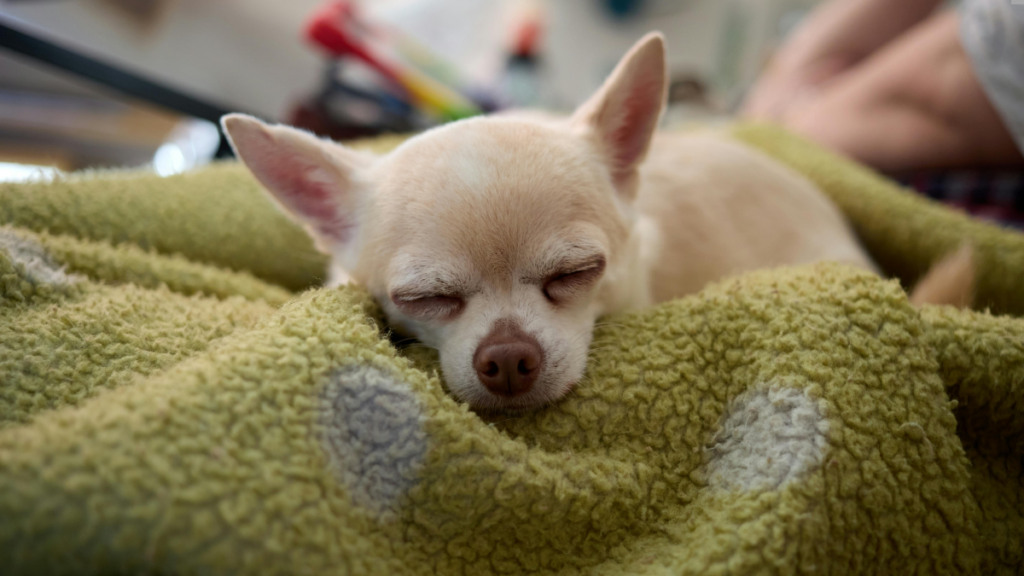
Have you ever observed your dog while they sleep? You might have seen their paws twitch, their nose wrinkle, or maybe noticed a yawn or a small noise coming from their mouth. If so, you’ve probably wondered what was going on in that furry head. Did You Know Dogs Dream Like Humans? The scientific answer is a resounding yes.
Dogs have rich dreams, and these dreams are surprisingly similar to ours.

How Do Dogs Sleep?
If we want to understand how—and if—dogs dream, it’s important to know how dogs sleep. The sleep process is divided into stages: light sleep, deep sleep, and a very important one called REM sleep.
REM stands for Rapid Eye Movement, and it’s the stage of sleep when most dreaming occurs. During REM sleep, the brain is very active while the body is deeply relaxed. In humans, this is the phase when we dream, which we can observe through eye movement. This is why REM sleep is sometimes called paradoxical sleep—the brain and body are in opposite states of activity. Research has shown that dogs experience REM sleep, which is a strong indicator that they also dream.
Dogs fall asleep within minutes and go through shorter sleep cycles than humans. The average human sleep cycle lasts about 90 minutes, while a dog’s sleep cycle ranges from about 20 to 45 minutes, depending on age and size. This means dogs can enter the REM phase multiple times during a single sleep session and experience many short dreams.
The Science of Dog Dreams
Over the past century, scientists have studied the sleeping and dreaming brains of many animals, and dogs have played an important role in this research. One of the first major clues came from observing brainwave patterns. When dogs are asleep, their brainwaves during REM sleep are very similar to those of humans.
Another important discovery came from research on the hippocampus. The hippocampus is a part of the brain associated with memory and emotions. In all mammals, including dogs and humans, this area becomes active during REM sleep. This suggests that dreaming is closely linked to memory, emotions, and daily experiences.
Dreams likely help both humans and dogs process information, strengthen memories, and learn new skills. In this way, when your dog dreams, their brain is actively making sense of what they experienced during the day.
This is one reason why the idea behind Did You Know Dogs Dream Like Humans? is more than just a cute question—it’s grounded in science.
What Do Dogs Dream About?
Of course, we can’t ask dogs what they dream about, but researchers have developed strong theories based on brain activity and observed behavior during sleep. Experts generally agree that dogs dream about the same kinds of things humans do—experiences that are familiar and meaningful to them.
Possible Dog Dream Themes:
-
Running and chasing (fetch, squirrels, prey)
-
Playing with their favorite humans, dogs, or other animals
-
Exploring new places or revisiting familiar ones
-
Eating favorite foods
-
Responding to sounds, people, or other animals
For example, a dog that runs a lot during the day may dream of running. A puppy learning new commands may dream about training sessions. An older dog may dream about familiar and comforting experiences.
In fact, a famous sleep researcher, Dr. Matthew Wilson, discovered that rats dream about running mazes they learned during the day. When researchers recorded the rats’ brain activity, they found the same patterns repeating during sleep. Since dogs are more emotionally and socially complex than rats, it’s very likely their dreams are even richer.
Why Do Dogs Move and Make Sounds in Their Sleep?
It’s common for pet owners to notice their dogs moving while asleep. Some of these sleep behaviors include:
-
Paw twitching
-
Tail wagging
-
Ear flicking
-
Soft barking or whining
-
Light growling
These movements typically occur during REM sleep. In humans, the brain uses a mechanism called muscle paralysis to prevent us from physically acting out our dreams. Dogs have a similar system, but it isn’t always as effective—especially in puppies and senior dogs. As a result, some movements “leak through” and become visible.
So the next time your dog looks like they’re running in their sleep, they’re probably dreaming about a real or imaginary adventure. This is another reason why the answer to Did You Know Dogs Dream Like Humans? is so fascinating.
Do All Dogs Dream?
Yes, all dogs dream. However, how often and how vividly they dream can vary from dog to dog. Several factors influence a dog’s dreaming patterns.
Age
-
Puppies dream more frequently and intensely because they are learning so many new things.
-
Adult dogs dream regularly, usually in shorter bursts.
-
Senior dogs may dream more again as their sleep patterns change with age.
Size
Smaller dogs have shorter sleep cycles, which means they enter REM sleep more often. This leads to more frequent but shorter dreams. Larger dogs have longer sleep cycles, so they may dream less often but for longer periods.
Breed and Personality
Active and intelligent breeds may experience more vivid dreams because their brains are more stimulated during the day. Dogs with strong emotional bonds to their owners may dream more about social interactions.
Can Dogs Have Nightmares?
Yes, dogs can have nightmares just like humans. Bad dreams in dogs are often linked to stress, fear, or past trauma. Dogs that have been abused or rescued from difficult situations may be more prone to nightmares.
Signs your dog may be having a nightmare include:
-
Whimpering or crying during sleep
-
Aggressive or frequent growling
-
Sudden or violent movements
-
Waking up abruptly and appearing frightened or stressed
If your dog wakes up distressed, you can comfort them gently, but avoid waking them suddenly during a nightmare. Softly calling their name or staying nearby until they calm down is usually best.
Should You Wake a Dog That’s Dreaming?
This is a common question, and the short answer is usually no. Waking a dog abruptly from REM sleep can confuse or frighten them. In some cases, a startled dog may even snap or bite without realizing what’s happening.
If your dog appears distressed, try softly calling their name from a distance or making a gentle noise to interrupt the dream. Whenever possible, it’s best to let them wake up naturally.
Understanding dog dreams gives us insight into their inner world and helps us be more patient and compassionate. Knowing they dream like we do makes Did You Know Dogs Dream Like Humans? even more meaningful.
How Sleep Quality Affects Dog Dreams
Good sleep is just as important for dogs as it is for humans. Poor sleep can affect a dog’s mood, behavior, and overall health. A comfortable, stress-free sleeping environment helps dogs reach deep and REM sleep more easily.
Tips to Improve Dog Sleep:
-
Provide a quiet, comfortable sleeping area
-
Stick to a regular routine for feeding, walks, and bedtime
-
Ensure plenty of physical and mental exercise
-
Help reduce stress and anxiety
When dogs sleep well, they dream well too. Healthy dreaming is a sign of a healthy brain.
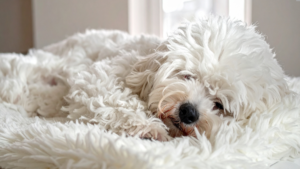
Dog Dreams Show Us They Are Emotional Beings
Dogs are deeply emotional, and their dreams reflect this. They form strong emotional bonds with humans and other animals, which often appear in their dreams.
Examples include:
-
A dog that loves fetch dreaming about chasing a ball
-
A dog missing their owner dreaming of being reunited
-
A dog replaying a stressful experience
Dog dreams aren’t just random replays of daily events. They reveal emotions, memories, and personality, which helps explain why humans feel such a strong connection to dogs.
Dog Dreams and What They Tell Us About Us
Learning that dogs dream like humans shows us just how close they are to us. Dogs don’t only live in the moment—they remember, imagine, and process life through dreams.
When your dog curls up next to you and falls asleep, they may later dream about that moment of comfort. This realization surprises many dog owners and deepens the bond they share with their pets.
Conclusion
Did you know dogs dream like humans? Now you do—and the answer is an enthusiastic yes. Dogs experience REM sleep, show brain activity similar to humans while dreaming, and even have nightmares. Their dreams are influenced by daily experiences, emotions, and relationships.
Understanding dog dreams helps us care for and connect with our pets on a deeper level. It’s another reason why the idea behind Did You Know Dogs Dream Like Humans? is so exciting—dogs are more like us than we often realize.
Save pin for later


- Dog Nutrition Guide for Better Health and Energy - May 23, 2026
- How to Keep Your Cat Healthy and Active at Home - May 17, 2026
- Dog Health Tips for Indoor and Apartment Living - May 17, 2026